
Dental sealants for children in Palma
Fissure sealing protects back teeth from decay by filling the grooves on their chewing surface with a thin layer of material. These grooves are so narrow that toothbrush bristles can't reach the bottom, and that is where much of the decay in children and teenagers starts.
We apply them at Arcdental, our children's dental clinic in Palma. It is quick, painless and needs no anaesthetic or drill. For children aged 6 to 15, PADI covers sealants on permanent teeth depending on their risk of decay.
No anaesthetic or drill
When the first and second permanent molars come through
Per tooth, in a single visit
Included depending on decay risk
Does your child need sealants? Book an appointment
We check your child’s back teeth, assess their risk of decay and tell you which teeth should be sealed.
Leave us your details and we will call you back within three hours.
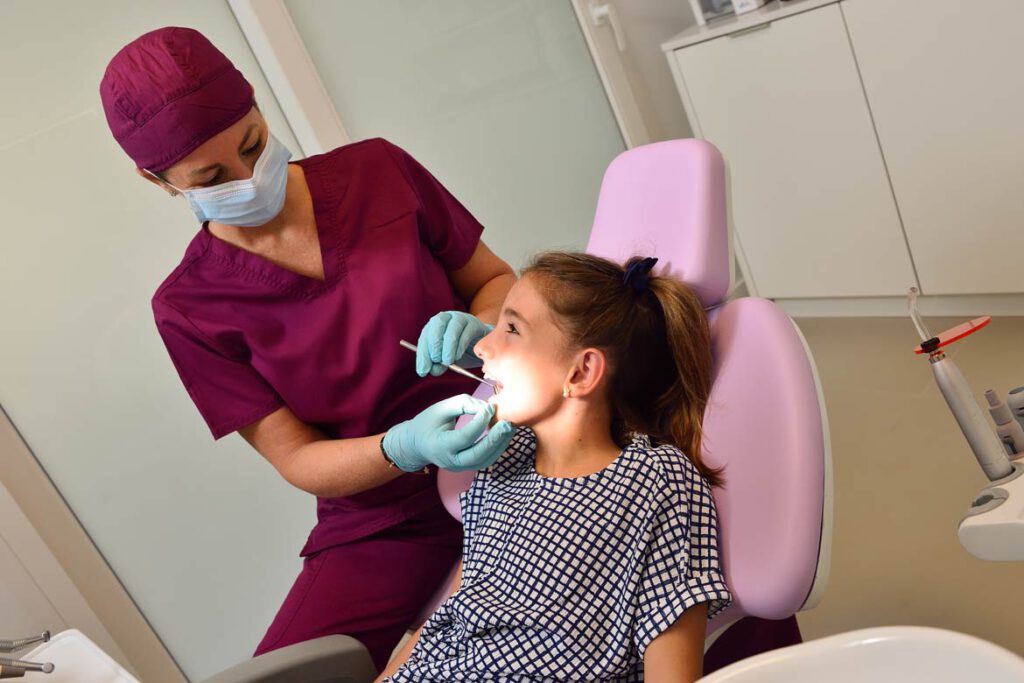
What are dental sealants?
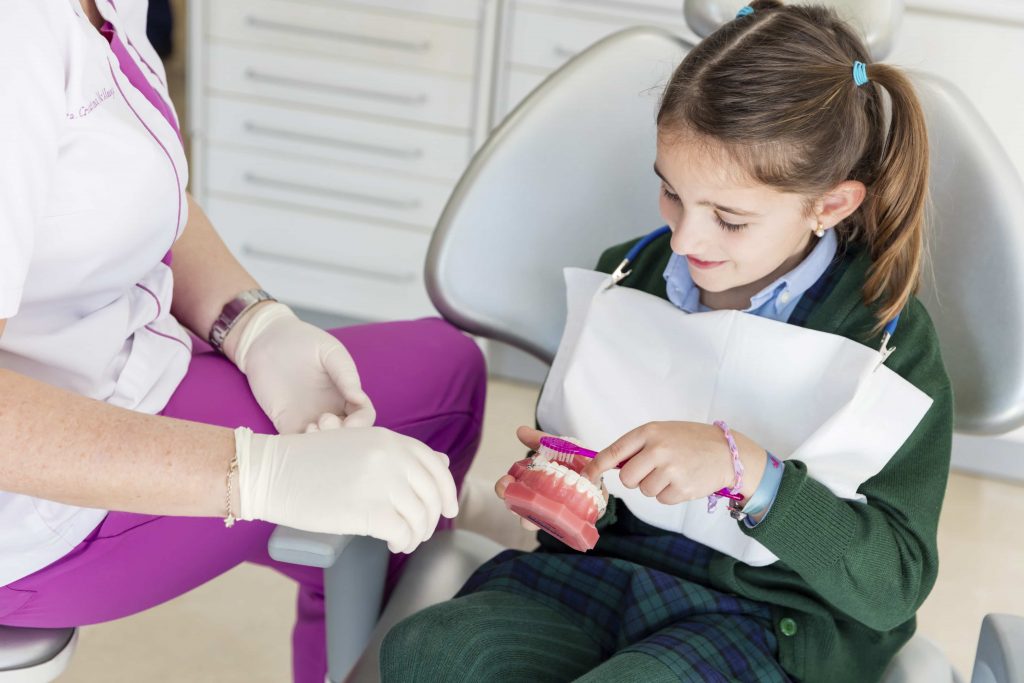
They are a fluid material, usually a resin or a glass ionomer, that is applied to the pits and fissures of the back teeth and then hardens. This leaves the grooves smooth and closed, so plaque and food can't build up in them.
It is one of the most effective and simple preventive treatments in paediatric dentistry. It does not replace brushing or fluoride, but it protects exactly where they reach least well.
Which teeth are sealed, and when?
The teeth that benefit most are the permanent molars, as soon as they come through:
- The first permanent molars, which come through at around age 6, behind the baby teeth.
- The second permanent molars, which come through at around age 12.
- Premolars, if they have deep grooves.
- Baby molars, in children with a high risk of decay.
It is best to seal them early, as soon as they have come through enough, because that is when they are most at risk of decay.
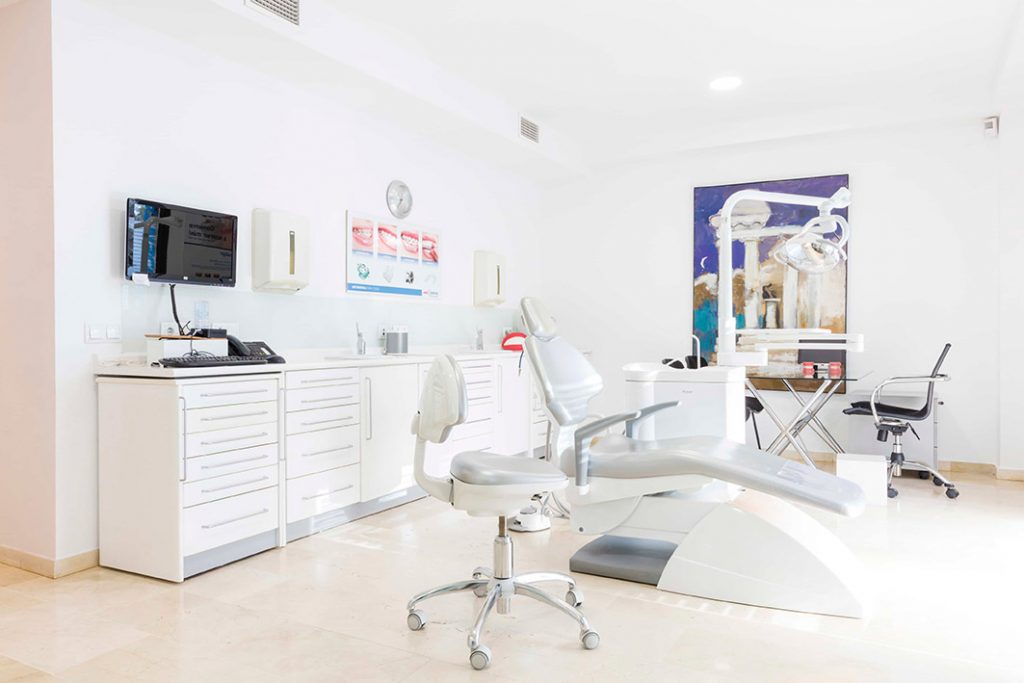
Benefits of fissure sealing
Prevents decay
Significantly reduces the risk of decay on the chewing surface of the back teeth.
Painless
No anaesthetic or drill is needed, so it is a good first experience at the dentist.
Quick
It takes a few minutes per tooth and is done in a single visit.
Preserves the tooth
No healthy tooth is removed: the grooves are simply covered.
Avoids treatment
Preventing decay is always simpler, and cheaper, than filling it.
Easy to maintain
At check-ups we make sure it is still in place and repair it if needed.
How are sealants applied?
Cleaning
We thoroughly clean the surface of the tooth to remove plaque and debris, and isolate it to keep it dry.
Preparation
We apply a gel for a few seconds so the material bonds well to the enamel. Then we rinse and dry the tooth.
Application
We place the sealant in the grooves and harden it with a special light. Finally, we check the bite and that the sealant is well bonded.
Sealants are not everything
They protect the chewing surface, but decay can also appear between the teeth and along the gum line. For complete prevention:
- Brushing twice a day with fluoride toothpaste suited to their age.
- Dental floss once the teeth are touching.
- Little sugar and no snacking between meals.
- Regular check-ups with the paediatric dentist.
- Dental cleaning and fluoride at the clinic, if their risk of decay makes it advisable.
How long do sealants last?
They usually last several years, but chewing can wear them down or partly dislodge them. That is why we check them at every visit and, if needed, repair or replace them there and then.
If your child already has decay in a back tooth, a sealant is not enough and the decay needs treating. We explain this on our treatment of tooth decay in children page.
Who will see your child
Sealants are applied by our paediatric dentists, Dr Cristina Martínez-Almoyna Rifá, Dr Maria Morro and Dr Ana Ledesma Pavón.



Where to find Arcdental
We apply sealants at Arcdental, our children's dental clinic in Palma.
Our children's dental clinic
Arcdental
Carrer de Sevilla, 8, ground floor
Son Dameto · 07013 Palma
- Monday and Wednesday
- 16:00–20:00
- Tuesday
- 9:00–13:00 · 16:00–20:00
- Thursday
- 13:00–19:00
- Friday
- 15:00–19:00
By car
Street parking and the pay car park at Hospital Juaneda Miramar, a 3-minute walk away. There is also free parking on Camí de la Vileta, about a 10-minute walk away.
Go to the car parkBy taxi
Taxi ranks at Carrer de Son Espanyolet, 58 and Carrer de Pasqual Ribot, 1.
Frequently asked questions about dental sealants
Does fissure sealing hurt?
No. No anaesthetic or drill is needed: the tooth is simply cleaned, the material is applied and it is hardened with light. It is a comfortable treatment and an ideal first experience at the dentist.
At what age are back teeth sealed?
At around age 6, when the first permanent molars come through, and around age 12, when the second ones appear. Ideally, they should be sealed shortly after they come through.
Which teeth need sealing?
Mainly the permanent molars and, if they have deep grooves, the premolars. In children with a lot of decay, baby molars can also be sealed.
How long do sealants last?
They usually last several years. At each check-up we make sure they are still in good condition and, if they have worn or partly come away, we repair them.
What types of sealant are there?
The most common are resin sealants, which are hardened with light, and glass ionomer sealants, which release fluoride and are often used on molars that are still coming through. We choose the most suitable one for each tooth.
Is fissure sealing covered by PADI?
Yes. For children aged 6 to 15, PADI covers sealants on permanent teeth when their risk of decay makes it advisable.
How much does sealing cost?
It depends on how many teeth need sealing. At the free first visit we give you a detailed quote. If your child is between 6 and 15, it may be covered by PADI.
Can adults have sealants?
Yes, adults with a high risk of decay and deep grooves without decay can have them. Even so, the greatest benefit is in children and teenagers.