Learn about mouth guards
En este artículo
A mouthguard is a dental device designed to protect the teeth, gums and jaw from impact, pressure or wear and tear. Its use is especially important in contact sports and in certain conditions such as bruxism, as it helps to prevent dental injuries, fractures and damage to oral tissues, as well as damage to teeth and enamel caused by bruxism. In addition, mouth guards can relieve headaches associated with teeth grinding and are useful whenever contact sports are played or bruxism is experienced. Among the benefits of mouth guards are the prevention of dental complications and improved quality of life.
At Udemax Clinics, we always recommend a professional assessment to determine which type of mouthguard is most suitable in each case. Mouthguards are an effective solution for those who suffer from teeth grinding or jaw pain.
What is a mouthguard?
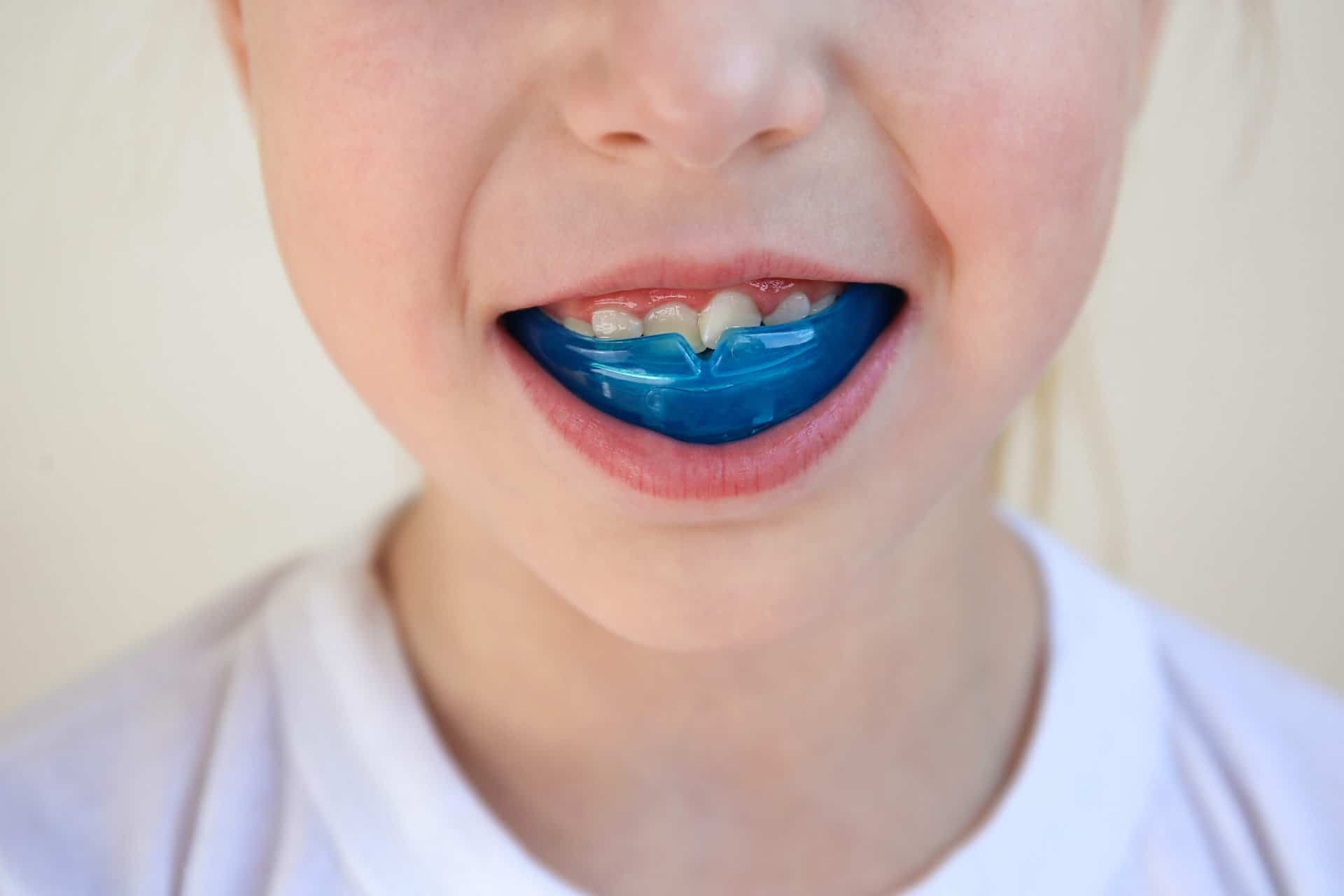
A mouthguard is a device that is placed inside the mouth and partially or completely covers the teeth. Its main function is to absorb and distribute forces, preventing direct impacts from being transmitted to the teeth, jaw or bone structures. There is a wide range of mouthguards adapted to different needs, from sports models to options for bruxism.
It can be used for both preventive (sport) and therapeutic (bruxism) purposes, although not all mouth guards serve the same purpose. Therefore, it is important to choose carefully from the range of models available according to the intended use.
What is a mouthguard used for?
Mouthguards serve to protect teeth from blows and trauma, reduce the risk of tooth fractures and loss, prevent cuts and injuries to the lips, tongue and cheeks, decrease pressure on the jaw, and prevent damage to restorations, crowns, dental reconstructions or orthodontic appliances.
Correct use can prevent more complex conservative dental treatments and dental emergencies.
Regular dental check-ups and good preventive dentistry are essential to ensure the effectiveness, fit and durability of the mouthguard.
Types of mouth guards
There are different types of mouthguards depending on their level of fit, protection, and intended use. In addition, there are different brands that offer mouthguards with various features to suit the needs of each athlete.
Pre-made mouth guards
These are sold in pharmacies or sports shops, where the in-store shopping experience allows you to compare different models and take advantage of customisation options and services that improve your choice of mouthguard.
Advantages
- Economical
- Easy access
Disadvantages
- Poor fit
- They make breathing and speaking difficult.
- Less protection
- They move around easily.
Semi-customised mouth guards
Known as boil and bite, they partially adapt after being heated. Some models include a kit for taking dental impressions at home, making it easier to obtain a more personalised mouthguard without having to visit the dentist.
Advantages
- Better fit than prefabricated ones
- Mid-range price
Disadvantages
- Limited adjustment
- Lower durability
- Lower protection than customised ones
Custom-made mouth guards (dental)
They are manufactured in the dental clinic using an intraoral scanner or precise impression. Materials such as silicone can be used in their manufacture, offering greater adaptation and comfort to the user.
Advantages
- Perfect fit to the denture
- They do not interfere with breathing or speech.
- Maximum protection
- Greater durability
- Greater comfort → more actual use
They are recommended by dentists for both sports and other specific uses.
Disadvantages of standard protectors
Although standard mouthguards may seem like a quick and inexpensive solution, they have several disadvantages that are important to consider before purchasing them. The main limitation of these models is their lack of custom fit, which significantly reduces protection for the teeth and jaw against impacts during training or competition. Because they do not fit properly, they can move or even come out of place, increasing the risk of injury, fractures, and damage to the oral structure.
In addition, the materials used in standard protectors are often of lower quality and resistance, which affects both the durability of the product and its ability to absorb impact. Comfort is another compromised aspect: these protectors can be uncomfortable, make breathing and speaking difficult, and cause discomfort that discourages continued use. For all these reasons, although the initial price may be attractive, the disadvantages in terms of protection, fit and quality mean that they are not the best option for those seeking safety and peace of mind in contact or high-intensity sports.
Sports mouthguard
The use of mouthguards is essential in contact or high-risk sports such as football, basketball, hockey, martial arts, MMA, boxing and especially for boxers, rugby or taekwondo. During combat, mouthguards are essential for preventing serious injuries, as they protect the teeth and jaw from direct blows. A customised sports mouthguard absorbs direct impacts, reduces the risk of tooth fractures, protects the jaw and soft tissues, and can help reduce neck injuries associated with strong impacts.
Mouthguard for children and teenagers
For children and teenagers who play sports, mouth guards are especially important because:
- The permanent teeth are still developing.
- The use of orthodontics is common.
- Injuries can affect dental and bone growth.
A child’s mouthguard should be custom-made and checked periodically to ensure it fits properly as the child grows.
Mouth guard for bruxism and sleeping
A mouth guard for sleeping is not the same as a sports mouth guard.
In cases of bruxism, bite splints are used as part of a comprehensive treatment for bruxism and TMJ disorders. They are designed to:
- Preventing tooth wear
- Reduce muscle strain
- Protecting the temporomandibular joint
Therefore, in cases of nocturnal teeth grinding, it is essential that the dentist assesses the most appropriate type of splint and does not use generic protectors without a diagnosis.
In short, using a mouth guard while sleeping is the best option for putting an end to the problems caused by bruxism.
Mouth guards for sleep apnoea
Beyond their use in sports, some mouth guards have proven useful for people who suffer from sleep apnoea. This disorder, which affects breathing during rest, can benefit from the use of a specially designed oral device that repositions the jaw and facilitates airflow. These mouth guards help keep the airway open, improving sleep quality and reducing episodes of apnoea.
It is essential to emphasise that the treatment of sleep apnoea with a mouthguard must always be supervised by a professional, as each case requires personalised adjustment and appropriate monitoring. For athletes who also suffer from apnoea, there is the possibility of using a mouthguard that combines protection during sports practice with support in managing apnoea, always under medical supervision. Thus, the use of these devices not only protects the mouth and teeth, but also contributes to better breathing and overall well-being.
What should a well-made mouthguard look like?
A proper mouthguard should fit your teeth perfectly, without moving when you speak or open your mouth. It should also allow you to breathe normally and not cause pain or chafing. It is essential that it remains stable throughout use. If a mouthguard falls out, causes discomfort or makes breathing difficult, it is not fulfilling its function.
Contraindications and precautions
Although the use of a mouthguard is highly recommended for the protection of athletes, there are certain situations in which special precautions must be taken. People with complex dental problems, such as advanced periodontal disease or occlusion disorders, should consult their dentist before using any type of mouthguard to ensure a proper fit and avoid complications.
For those who wear orthodontic appliances, braces or dental restorations, it is essential that the mouthguard is compatible with the treatment and does not interfere with the dental correction process. It is also important to take into account possible allergies to the materials used in the manufacture of the mouthguard, always choosing safe, high-quality options. Following the instructions for use and maintenance is key to ensuring the hygiene and effectiveness of the device. If you have any questions or concerns, consulting a professional is the best guarantee for safe and effective oral protection.
Care and maintenance of mouth guards
To extend its useful life and maintain good hygiene:
- Wash it after each use with water and mild soap.
- Use a special brush for the protector.
- Avoid hot water
- Store it in a ventilated case.
- Do not expose it to sunlight or heat.
- Attend regular check-ups to monitor your condition.
Frequently asked questions about mouth guards
What is the name of the mouth guard used for sleeping? It is called a bite splint or bruxism splint, and must be prescribed by a professional.
How much does a mouthguard cost? The price depends on the type of mouthguard, the material, and whether it is custom-made. Custom-made mouthguards are more expensive, but they also offer greater protection and durability. For up-to-date information on prices and options, we recommend consulting the website of your dental clinic or specialist shops.
Is a custom-made mouthguard better? Yes. From a clinical point of view, it is the safest, most comfortable and most effective option.
Professional assessment
At Udemax Clinics, we create customised mouthguards following an individual assessment, tailored to the patient’s age, type of sport or condition, always prioritising safety and oral health.
If you have any questions about which mouthguard you need, our team can guide you and help you choose the most suitable option.
Recommendations and final tips
To maintain a healthy smile and avoid oral injuries in contact sports such as boxing, rugby, or MMA, the best investment is a custom-made mouthguard. This type of mouthguard offers a perfect fit, maximum comfort, and superior protection against high-impact blows. Before choosing, compare different options available on the market, check reviews from other athletes, and consult with your dentist to ensure you select the model and materials that are best suited for you.
The price may vary depending on the quality and type of mouthguard, but remember that there is no substitute for safety and oral health. Ease of use and comfort are essential for the mouthguard to be used consistently during training and competition. Always keep your mouthguard clean, check its condition regularly, and visit your dentist for check-ups to prolong its useful life and ensure that it continues to provide the necessary protection. This way, you can enjoy your favourite sport with the peace of mind that your smile is well protected.