Dental prostheses: types of prostheses, benefits and differences
En este artículo
- What is a dental prosthesis and what is it used for?
- Advantages of dental prostheses
- Types of dental prostheses
- Dental prosthesis materials: which one to choose
- How to know which type of dental prosthesis you need
- How a dental prosthesis is made (step-by-step process)
- Adaptation: how long does it take for the patient to get used to it?
- Care and maintenance depending on the type of denture
- When should a dental prosthesis be replaced?
- Dental prosthetics at Udemax Clinics
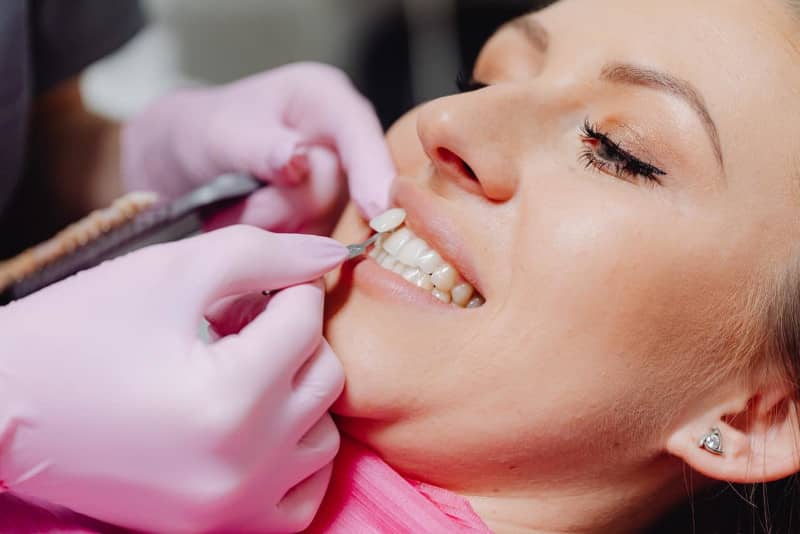
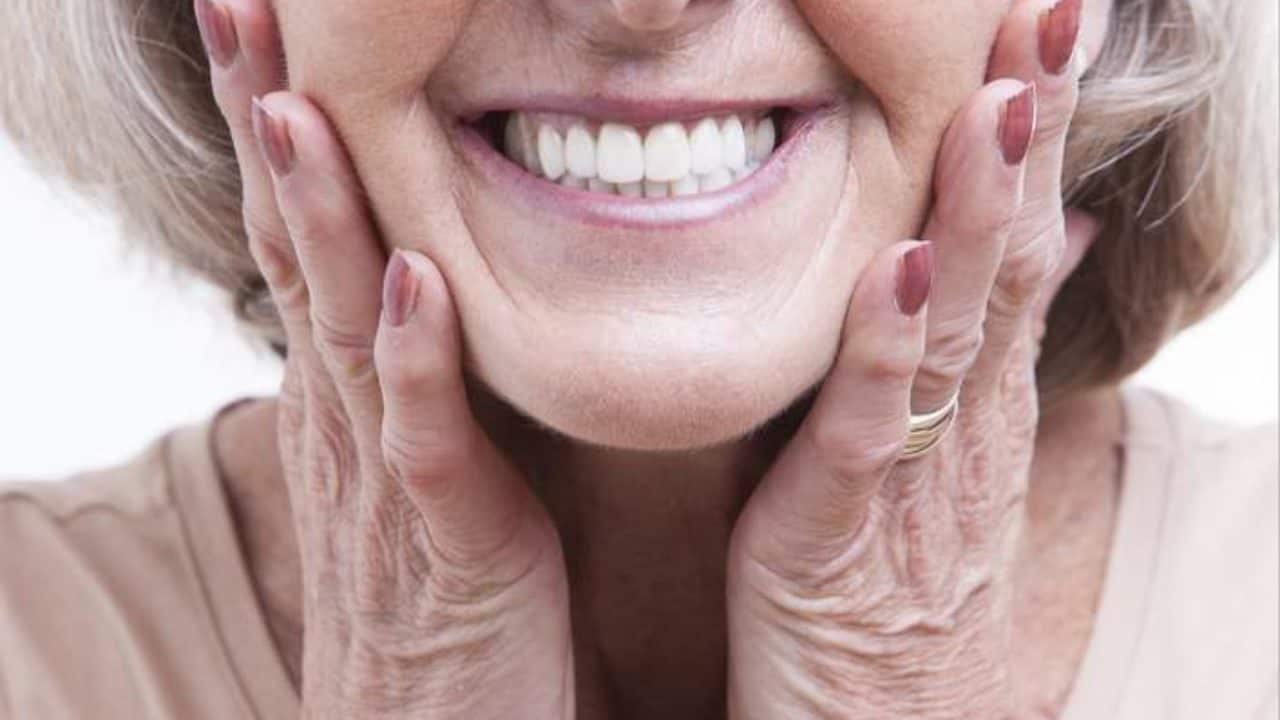
Tooth loss affects the appearance, chewing ability, speech and even the emotional well-being of many patients. Today, thanks to modern dentistry, there are numerous solutions available to restore function and a smile. Dental prostheses—whether fixed, removable or hybrid—allow for the replacement of one or more teeth, restoring stability, comfort and a natural appearance to the mouth. These appliances not only replace lost teeth, but also restore chewing ability, aesthetics, functionality and oral health. Furthermore, prostheses are composed of various elements that are essential for oral restoration, utilising advanced materials and technologies. Thanks to their functionality, they improve the patient’s daily life by facilitating chewing, enhancing aesthetics and enabling clear speech.
This is the comprehensive and definitive guide to understanding each type of prosthesis, when each is recommended, how they are made, what care they require, and what treatment options are available at an advanced clinic such as Clínicas Udemax.
What is a dental prosthesis and what is it used for?
A dental prosthesis is a custom-made device designed to replace missing teeth and, in many cases, part of the gum tissue. Its purpose is to restore chewing function, improve appearance, stabilise the bite by providing structural support, and prevent tooth movement. Furthermore, the prosthesis fills the space left by missing teeth, preventing the formation of unwanted gaps.
Some dentures can be taken out and put back in (removable), others are fixed in place and cannot be removed (fixed), and others combine both techniques (overdentures or hybrid dentures on implants). In some cases, healthy teeth can act as abutments, providing essential support for the denture.
The choice depends on:
- number of missing teeth
- bone condition
- gum health
- the patient’s expectations
- budget
- age and general health
Once the prosthesis has been fitted, oral functions are restored and the patient’s quality of life is improved.
Advantages of dental prostheses
Dental prostheses are an essential solution for any patient who has lost teeth, whether due to tooth decay, trauma, gum disease or poor oral hygiene. One of the most notable advantages of these devices is the restoration of chewing function, allowing patients to enjoy their favourite foods once again and facilitating better digestion. Regaining the ability to chew properly not only improves quality of life, but also contributes to a more balanced and healthy diet.
Furthermore, dental prostheses help to maintain the structure and shape of the face, preventing the jaws from collapsing and the remaining natural teeth from shifting. This is essential for preserving the appearance of the smile and preventing secondary problems, such as changes to the bite or the appearance of unwanted gaps between the teeth.
From an emotional perspective, restoring a patient’s smile through dental prosthetics has a direct impact on their confidence and self-esteem. Feeling comfortable when speaking, laughing or socialising is key to personal well-being, and a well-fitted prosthesis can restore the confidence lost due to missing teeth.
When it comes to oral health, dentures help prevent the development of tooth decay and periodontal disease, as they eliminate the gaps where food debris and bacteria can accumulate. Furthermore, they facilitate better oral hygiene, as the patient can clean both the dentures and their remaining natural teeth more effectively.
There are different types of dental prostheses, such as fixed and removable prostheses, each with its own specific advantages. Fixed dental prostheses offer greater retention, stability and a feel similar to natural teeth, whilst removable prostheses are notable for being easy to clean and adaptable to different clinical cases.
Ultimately, choosing the right dental prosthesis enables patients to regain function, aesthetics and confidence, thereby improving their overall quality of life. Consulting a specialist dentist is essential for selecting the most appropriate type of prosthesis based on the needs, expectations and specific characteristics of each individual case, thus ensuring a durable, high-quality restoration.
Types of dental prostheses
Removable dentures
They are easy to insert and remove. They offer an affordable, versatile and suitable alternative for many patients, particularly when implants are not an option or temporary solutions are required. Furthermore, the fit of the removable denture can be adjusted to improve comfort and increase the durability of the appliance, tailoring it to each patient’s needs.
There are two main categories:
Removable partial denture
Recommended when some teeth are missing but there are still healthy teeth that can provide support.
These dentures consist of several components, such as the base, clasps and artificial teeth, which work together to restore chewing function and oral aesthetics.
These could be:
- Metal frames: sturdy, stable, precise.
- Made of hard resin: more economical, sometimes used as temporary restorations.
- Flexible (Flexite, Duraflex, Deflex, etc.): lightweight, attractive, hypoallergenic, very comfortable.
Removable full denture
The classic “full denture”. It is used when there are no teeth remaining in an arch. It is designed to replace all the teeth in the arch, thereby restoring both chewing function and appearance. It requires regular adjustments, as the gums change over time.
This topic is explored in depth in the companion article on removable dentures.
Fixed dentures
They are the most natural-looking and functional. They cannot be removed and function just like natural teeth.
These include:
Crowns or caps
They cover a badly damaged tooth.
Dental bridges
They replace one or more teeth by anchoring to adjacent teeth, which act as abutments to support the bridge and ensure its stability.
Fixed implant-supported prostheses
The most stable and durable option, generally regarded as the ‘gold standard’.
Dental implantology plays a key role in this type of treatment, as technological advances and biocompatible materials enable fixed implant-supported prostheses to integrate seamlessly into the patient’s oral structure, restoring both the function and aesthetics of the smile.
These could be:
- single crowns on implants
- implant-supported bridges
- Complete dental restorations with dental implants in Mallorca using All-on-4 / All-on-6
Hybrid dentures and overdentures
They combine the reliability of implants with the relative comfort of removable dentures.
Overdenture on a bar or Locator
The denture is attached to two or more implants, providing much better support than a conventional denture.
Fixed hybrid prosthesis
Screwed directly onto the implants. The entire dental arch is not removed and replaced.
These options are common in patients with advanced tooth loss.
Dental prosthesis materials: which one to choose
The materials and technologies used in the manufacture of dental prostheses are essential for achieving functional and aesthetic restorations. The most commonly used materials for the manufacture of dental prostheses are resin, metal and ceramic. Furthermore, the most common metal alloys in dental prostheses are Cr-Co (chromium-cobalt) and Cr-Ni (chromium-nickel), which are non-precious metals widely used for their strength and biocompatibility. Zirconium is a material that is increasingly used due to its biocompatibility and aesthetic qualities, as it does not cause allergic reactions and its appearance is very similar to natural enamel.
Depending on the type of prosthesis and the patient’s needs, different materials are used:
- Biocompatible metals (cobalt-chromium): the ideal base for skeletal prostheses.
- Acrylic: lightweight, cost-effective, used in full and temporary dentures.
- Flexible resins (Flexite, Duraflex, Deflex): comfortable and aesthetically pleasing.
- Ceramic/porcelain: the ultimate in aesthetics for fixed prostheses.
- Zirconium: extremely strong and natural.
The choice affects:
- final appearance
- durability
- comfort
- adaptation
- cost
How to know which type of dental prosthesis you need
The type of prosthesis is not chosen solely on the basis of the patient’s preference. It requires a diagnosis:
- Condition of the teeth and gums
- Number of parts to be replaced
- Budget
- Aesthetics and expectations
- Lifestyle habits and general health
- Possible contraindications for implants
Every case is unique, so treatment must be tailored to each patient’s specific needs in order to achieve the best results.
At Udemax Clinics, we carry out a comprehensive assessment including a CT scan, periodontal analysis and a personalised oral rehabilitation plan.
How a dental prosthesis is made (step-by-step process)
Although every case is different, the standard procedure for dental prosthetics follows these stages:
- Diagnosis and planning
- Taking digital or analogue impressions is a crucial step, as the fabrication of a dental prosthesis involves taking dental impressions to create an accurate mould of the dental tissues and their supporting structures, particularly in same-day dental implant procedures.
- Lab design
- Aesthetic and functional testing
- Settings
- Permanent placement
- Regular review
Removable dentures usually require more initial adjustments, whereas fixed dentures require more advanced implant planning.
Adaptation: how long does it take for the patient to get used to it?
It is normal for it to take a few days or even weeks to get used to them, especially with removable dentures.
The most common initial symptoms are:
- increased saliva production
- minor scrapes
- feeling of pressure
- initial difficulty with speech production
At Udemax Clinics, we are making adjustments during this period to improve comfort.
Care and maintenance depending on the type of denture
Good oral hygiene is essential for preventing infections, bad breath, secondary caries and denture stomatitis.
With removable dentures
- clean them after every meal
- use mild soap (never abrasive toothpaste)
- remove them for 6–8 hours a day to give the mucous membrane a rest
- keep them in a moist environment
With fixed dentures or implants
- regular brushing
- oral irrigator, dental floss or interdental brushes
- regular inspections
- monitoring of peri-implant tissue
When should a dental prosthesis be replaced?
It must be renewed when:
- loses its grip
- excessive play is evident
- changes the shape of the gum
- breaks
- causes pain or ulcers
- affects speech or chewing
The average lifespan of a removable denture is 5–8 years, whilst fixed dentures can last for more than 10–15 years, depending on how well they are looked after.
Dental prosthetics at Udemax Clinics
At Udemax Clinics, we have a team of experts in prosthetic rehabilitation, dental reconstruction and state-of-the-art materials. We assess each case individually to provide the most stable, aesthetic and long-lasting solution possible, recognising the vital role that dental aesthetics plays in a patient’s confidence and self-esteem.
Whether you need to restore your smile or decide which dentures are best for you, we can help you right from your first visit.