The use and function of mouthwashes
En este artículo
- What is a mouthwash, and what can (and can’t) it do for your mouth?
- When is mouthwash recommended: specific cases we see at Udemax Clinics
- Types of mouthwash according to their main function
- With or without alcohol? What we recommend at Udemax Clinics
- How to use mouthwash properly so that it really works
- Common myths about mouthwash that need to be dispelled
- When is it worth adding a mouthwash to your routine?
Many patients in Mallorca use mouthwash simply to freshen their breath. At Udemax Clinics, we see cases of improper use on a daily basis: products bought indiscriminately in supermarkets, strong mouthwashes used for months on end, or mouthwashes used without brushing first.
Mouthwash is a complement to brushing and flossing, never a substitute. In this article, we explain when it is recommended to use mouthwash, what types are available, and how to use them safely. This guide is not a substitute for your dentist’s diagnosis, but it will help you arrive at your appointment with clearer questions.
What is a mouthwash, and what can (and can’t) it do for your mouth?
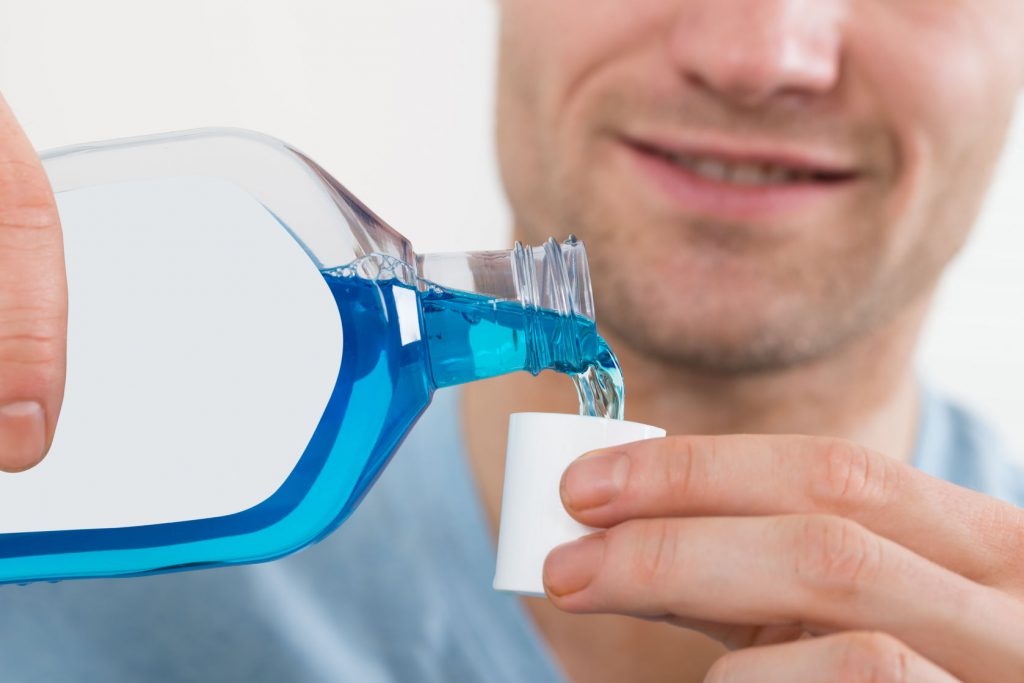
A mouthwash is a liquid solution designed to be used after brushing. It helps to reach areas that a toothbrush and dental floss cannot easily reach, such as the gum line and the back of the tongue.
There are two main categories:
- Cosmetics: provide temporary freshness and mask bad breath
- Therapeutic: they contain active ingredients such as chlorhexidine, cetylpyridinium chloride or fluoride
Its actual benefits include controlling bacterial plaque, strengthening enamel, providing relief for inflamed gums and aiding recovery after surgery. However, mouthwash does not provide mechanical cleaning: it is no substitute for brushing at least twice a day or flossing.
When is mouthwash recommended: specific cases we see at Udemax Clinics
Not everyone needs to use mouthwash every day. At Udemax Clinics, we tailor our recommendations to each patient’s age, risk of tooth decay, gum health, ongoing treatments and medication. Some mouthwashes are only used for short periods (chlorhexidine for 1–2 weeks), whilst others can be used over a longer period (mild, alcohol-free fluoride mouthwashes).
Self-medicating with strong mouthwashes can stain teeth, alter your sense of taste or irritate the mucous membranes.
Swollen gums, gingivitis or bleeding when brushing
For patients with red gums or whose gums bleed when brushing, we usually recommend antiseptic mouthwashes containing chlorhexidine or cetylpyridinium chloride. These reduce the bacterial load by up to 90% within the first 24 hours.
At Udemax Clinics, we recommend these mouthwashes for a limited period (7–15 days), always in conjunction with a professional dental clean. Prolonged use may cause temporary brown staining and a change in taste.
If the bleeding persists for more than 7–10 days, a periodontal examination is required.
High risk of tooth decay: children over the age of 6, teenagers and adults
We recommend fluoride mouthwashes for patients with multiple cavities each year, those undergoing orthodontic treatment, or those on a high-sugar diet. Fluoride remineralises the enamel and can reduce the development of early-stage cavities by 20–40%.
It is not recommended for children under 6 years of age due to the risk of choking. From the age of 6–7, if the child can spit it out properly, it can be used at night. Important: do not rinse with water afterwards and wait 30 minutes before eating or drinking.
Fixed orthodontics, implants and dentures
In teenagers and adults with braces or recent dental implants, mouthwash helps to clean hard-to-reach areas. Wires and retainers can trap plaque, increasing the risk of gingivitis.
We usually recommend mild, alcohol-free anti-plaque mouthwashes for daily use, alongside interdental brushes. Regular check-ups (every 4–6 weeks for orthodontic patients) allow us to assess whether to continue using the mouthwash or discontinue it.
Following tooth extractions, oral surgery and dental implants
Following a tooth extraction or the placement of implants, we prescribe antiseptic mouthwashes for 7–10 days as part of a properly planned oral and maxillofacial surgery programme. During the first 24 hours, it is recommended that you do not rinse vigorously in order to preserve the blood clot.
These products reduce post-operative infections by 50–70%, but prolonged use does not improve healing and may cause unwanted side effects.
Persistent bad breath
Chronic bad breath cannot be treated simply with a menthol-based cosmetic mouthwash. At Udemax Clinics, we carry out a full examination before prescribing specific treatments for halitosis.
Alcohol-free mouthwashes that neutralise sulphur compounds are recommended, combined with daily tongue cleaning. If the problem persists for more than 2–3 weeks despite good oral hygiene, periodontal disease or other conditions should be ruled out.
Dry mouth (xerostomia)
In people over the age of 60 or those taking multiple medications (such as antidepressants and antihypertensives), dry mouth is very common (with a prevalence of 20–40%). As part of a preventive dentistry strategy to maintain a healthy smile, we recommend alcohol-free mouthwashes containing moisturising agents, such as aloe vera extracts.
Rinsing with alcohol can make dryness worse and is generally not recommended. It is important to combine this with general hydration, sugar-free chewing gum and check-ups every six months.
Types of mouthwash according to their main function
Type | Main function | Typical use |
|---|---|---|
Beauty/refreshing | A refreshing sensation | Daily (no oral health problems) |
Antiseptics | Significant reduction in bacteria | 7–15 days with a prescription |
Fluorinated | Protection against tooth decay | Evening newspaper |
For sensitive gums | Reduce inflammation and tooth sensitivity | Periodontal maintenance |
Moisturisers | Relieve dry mouth | As required |
Bad breath treatment | Neutralise bad breath | Following a professional assessment |
Antiseptic mouthwashes containing chlorhexidine should not be used at the same time as toothpaste containing sodium lauryl sulphate. Fluoride mouthwashes should not be rinsed out with water afterwards in order to maintain their effect on the enamel.
With or without alcohol? What we recommend at Udemax Clinics
At Udemax Clinics, we prefer alcohol-free formulations, particularly for children, pregnant women, and people with dry mouth or mouth ulcers. Mouthwashes containing alcohol can cause a burning sensation and irritate the mucous membranes.
Effectiveness doesn’t depend on how strong it feels: the myth that ‘if it stings, it cleans better’ is false. What matters are the active ingredients, not the sensation.
How to use mouthwash properly so that it really works
Basic instructions for use at home
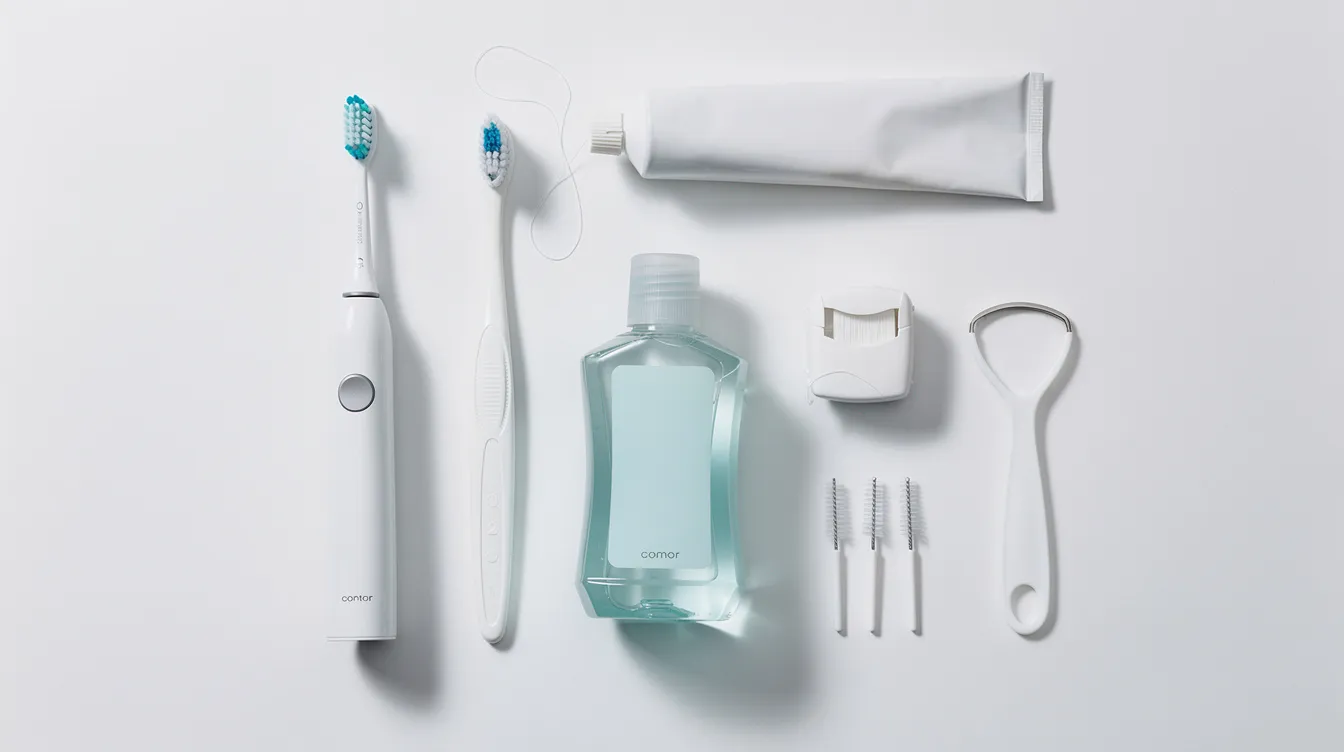
- Brush your teeth and gums for at least 2 minutes
- Clean your tongue and use dental floss or interdental brushes
- Pour 10–15 ml of undiluted mouthwash into water
- Rinse for 30–60 seconds, swishing the liquid around your mouth
- Spit it out without swallowing
- Do not eat, drink or rinse your mouth with water for 30 minutes
The frequency (1–3 times a day) depends on the type and the personalised regimen.
Common myths about mouthwash that need to be dispelled
- “If I use mouthwash, I don’t need to floss”: False. Mouthwash only reduces plaque by 20–30%, compared to 70–90% with flossing.
- “The stronger, the better”: Prolonged use of antiseptics causes skin discolouration in 50% of users after two weeks.
- “Any old one from the supermarket will do”: Many cosmetic products do not treat any medical condition.
Visit the dentist at least every six months for regular check-ups in Mallorca and to adjust your dental hygiene routine.
When is it worth adding a mouthwash to your routine?
Mouthwash is a useful addition to your oral care routine when there is a clear indication for its use: inflamed gums, recent surgery, orthodontic treatment, a high risk of tooth decay, dry mouth or diagnosed halitosis. The choice of mouthwash depends on your individual oral health and should be guided by a dental professional.
The key remains proper brushing 2–3 times a day, combined with flossing. Without this, any mouthwash has very limited effectiveness.
If you live in Mallorca and want to know exactly which oral care products you need, book an appointment at Clínicas Udemax. You’ll receive a personalised oral hygiene plan and get answers to all your questions about which mouthwash is best for you.