Tobacco and Oral Health
En este artículo
- How do tobacco and alcohol affect the mouth?
- Tobacco and oral health: visible damage and hidden problems
- The effects of alcohol on teeth and gums
- Combined risks: tobacco and alcohol
- What can you do to minimise the damage?
- Quit smoking to improve your oral health
- Foods and drinks that cause tooth staining
- Home remedies for removing stains from teeth
- Dental treatments to repair damage caused by tobacco and alcohol
- Your mouth reflects your habits, but there’s always a solution
Tobacco and alcohol are two of the most harmful habits for oral health. Worldwide, tobacco and alcohol are recognised as public health problems that affect both the mouth and other parts of the body, including the cardiovascular system. Their effects are not limited to staining or bad breath; both increase the risk of tooth decay, periodontal disease, tooth loss and even oral cancer. Understanding how they affect the mouth is essential to preventing damage and maintaining a healthy smile in the long term.
There are many reasons, backed by scientific evidence, to avoid tobacco use because of the problems it causes for oral and general health. At Udemax Clinics, we treat patients who smoke or drink alcohol regularly on a daily basis, and we know first-hand the consequences these habits can have on teeth, gums and oral mucosa.
How do tobacco and alcohol affect the mouth?
Both substances disrupt the natural balance of saliva, oral pH, bacterial flora and tissue repair mechanisms. The chemicals and additives found in cigars and cigarettes contribute to the development of infections and damage in specific areas of the mouth, further compromising oral health. The result is an environment where bacteria thrive, inflammation increases and the structures that support the teeth are weakened.
Whilst tobacco reduces blood flow to the gums and hinders healing, alcohol dehydrates the mouth and increases acidity, which contributes to enamel erosion and the development of tooth decay. Factors such as smoking habits, frequency of use and the type of product consumed (cigars, cigarettes) have a direct influence on the severity of oral damage.
Tobacco and oral health: visible damage and hidden problems
Yellow teeth and stubborn stains
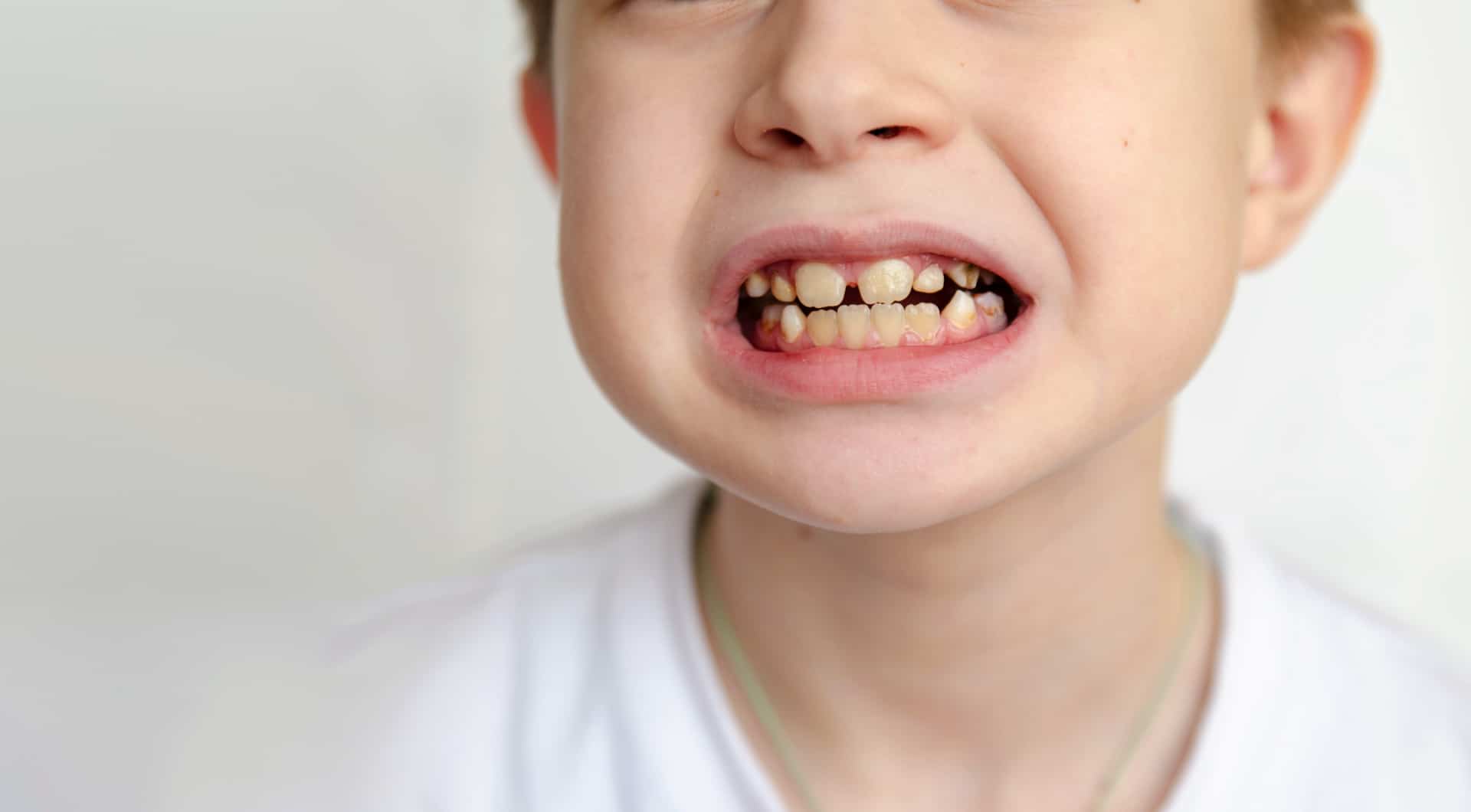
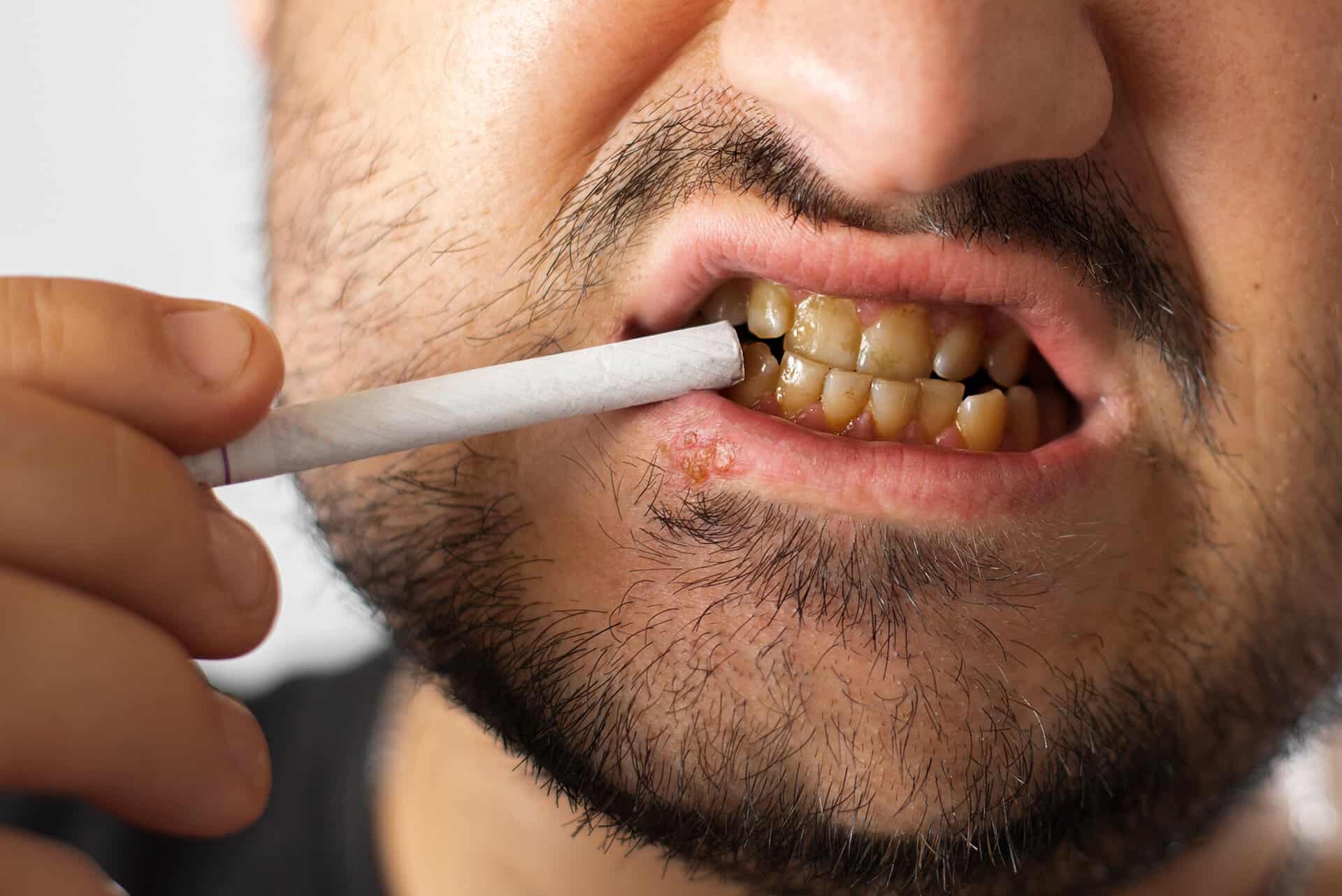
Tobacco deposits nicotine and tar on the tooth enamel, causing it to darken gradually. Tobacco stains form when substances such as tar and nicotine come into contact with the teeth, creating a layer that stains them.
Stains usually start out as a yellowish tinge and develop into brown or even black colours. Smokers develop stains on their teeth several times more frequently than non-smokers, as nicotine and tar build up on the enamel, causing stains that are difficult to remove. Furthermore, the porous enamel of smokers allows stains to penetrate deeper layers, making them harder to remove at home.
Chronic halitosis
The smell of smoke permeates the saliva, the tongue and the mucous membranes. Added to this is a reduction in saliva flow, which prevents the mouth from cleansing itself naturally. The result is persistent bad breath, even after brushing.
Increased risk of tooth decay and enamel loss
The components of tobacco alter the pH and create an acidic environment in which cavity-causing bacteria thrive. The enamel wears away more quickly, increasing sensitivity and the likelihood of developing cavities.
Periodontal disease: the most serious health problem among smokers
Smoking is the main risk factor for periodontitis. It reduces the supply of oxygen and nutrients to the gums, masks symptoms (such as bleeding) and accelerates the destruction of the bone that supports the teeth. This explains why smokers lose more teeth and respond less well to periodontal treatment.
Smoking and the failure of dental implants
Smokers are more likely to develop peri-implantitis and for an implant to fail to integrate with the bone. Nicotine impairs healing and increases the risk of infection.
Risk of oral cancer
The carcinogens in tobacco can damage the DNA in the cells of the mouth. The lips, tongue, cheeks and gums can all be affected. Early detection is vital for improving the prognosis.
The effects of alcohol on teeth and gums
Dry mouth and an increase in tooth decay
Alcohol dehydrates the mouth and reduces saliva production, which is the body’s first line of defence against bacteria and acids. A dry mouth can lead to bad breath and accelerate the development of tooth decay.
Acid erosion of tooth enamel
Drinks such as wine, beer, cider and spirits have a low pH. With regular consumption, tooth enamel weakens, leading to tooth sensitivity and wear.
Stains on teeth
Certain alcoholic drinks, particularly red wine, contain pigments that easily stain porous enamel. This explains the typical ‘stained teeth’ seen after drinking.
Persistent alcohol breath
Alcohol is partially exhaled, producing a distinctive smell that can linger for hours and may even become more pronounced when the mouth is dry.
Combined risks: tobacco and alcohol
This combination increases the risk of oral damage:
- Alcohol-induced dehydration makes it easier for toxins in tobacco to enter the body.
- The acidity of alcohol opens up tiny pores in the enamel, which then absorb pigments from the tobacco.
- The risk of oral cancer is significantly higher when both habits are practised together.
For the mouth, tobacco and alcohol are the most damaging combination.

What can you do to minimise the damage?
Although the ideal solution is to give up both habits, there are steps you can take to minimise the impact whilst you work towards quitting.
Smokers are advised to have professional dental cleanings more frequently to keep a check on the build-up of tartar and plaque.
Maintaining good oral hygiene, using remineralising toothpastes, interdental brushes and suitable mouthwashes, and attending regular check-ups helps to control inflammation, remove surface stains and detect any concerning lesions on the gums or oral mucosa at an early stage.
Visiting the dentist is particularly important for smokers and regular drinkers, as certain oral lesions do not cause pain and can only be identified through a professional examination.
Furthermore, there are many resources and methods available to help people quit smoking, and having the right information can make all the difference. These resources include nicotine replacement therapy, medication and psychological support.
Quit smoking to improve your oral health
Quitting smoking is undoubtedly one of the most effective steps you can take to improve your oral health and prevent serious illnesses. Smoking is directly linked to the development of tooth discolouration, gum disease, tooth decay and, in more serious cases, oral cancer. By giving up smoking, the risk of developing these conditions decreases significantly, allowing the gums to regain their health and the teeth to retain their natural colour for longer.
Furthermore, giving up smoking helps prevent tooth loss, as it improves blood circulation in the gums and promotes tissue regeneration. A reduction in tooth discolouration is another visible benefit, contributing to a more attractive and healthy smile. Whilst giving up smoking can be a challenge, there are treatments and professional advice available to make the process easier. Seeing a dentist or a public health specialist is essential for receiving personalised support and increasing your chances of success. Remember that every day without tobacco is a victory for your oral and general health.
Foods and drinks that cause tooth staining
Consuming certain foods and drinks can increase the likelihood of tooth staining, particularly in smokers. Drinks such as red wine, coffee, tea and fizzy drinks contain pigments and acids that can adhere to tooth enamel, making it more susceptible to discolouration. Furthermore, sugary foods and drinks promote the formation of plaque, which increases the likelihood that stains will set in and become more difficult to remove.
Some acidic foods can also erode tooth enamel, making teeth more prone to staining and affecting the appearance of your smile. To minimise these effects, it is advisable to limit your intake of such foods, maintain a rigorous oral hygiene routine and have regular dental check-ups. Consulting a dentist will allow you to receive personalised advice on how to prevent and treat stains, tailoring your diet and hygiene habits to your specific needs.
Home remedies for removing stains from teeth
There are various home remedies that claim to remove stains from teeth, such as using bicarbonate of soda, lemon or activated charcoal. However, it is important to bear in mind that these methods can have adverse effects on tooth enamel if used incorrectly or excessively. Enamel acts as a vital barrier to protect the teeth, and its wear and tear can increase sensitivity and make teeth more prone to decay.
Although some home remedies may offer temporary results, professional cleaning and teeth-whitening treatments carried out by a dentist are much safer and more effective options for removing stains from teeth and improving the appearance of your smile. Before trying any home remedies, always consult a professional to avoid irreversible damage. Remember that the best prevention is to maintain good daily oral hygiene and attend regular dental check-ups to keep your teeth healthy and stain-free.
Dental treatments to repair damage caused by tobacco and alcohol
Professional dental hygiene
It removes tartar and stains from the enamel and forms the starting point for any comprehensive dental aesthetics plan. It is the foundation for restoring gum health.
Periodontal treatment
Essential for smokers with gingivitis or periodontitis. Specialised treatment for periodontitis reduces inflammation, restores gum health and prevents tooth loss.
Teeth whitening
When tobacco stains are deep-set, safe and effective professional teeth whitening is the most effective way to restore the natural colour of your teeth and improve their appearance.
Veneers or crowns
When enamel is worn away or there is tooth damage, a cosmetic restoration using dental veneers can restore the tooth’s shape, colour and function.
Dental implants
In cases of severe tooth loss, dental implants in Mallorca can restore functionality. It is essential to maintain strict oral hygiene habits to ensure they last.
Your mouth reflects your habits, but there’s always a solution
Frequent smoking or alcohol consumption leaves visible and lasting marks on oral health. The good news is that, with a proper diagnosis and the right treatment, it is possible to restore your smile, halt further damage and improve the health of your teeth and gums.
At Udemax Clinics, we have specialists in periodontics, cosmetic dentistry and implantology who can help you restore your smile and keep it healthy for many years to come.
Your health is our top priority.
Book an appointment and we’ll assess your situation on a case-by-case basis.