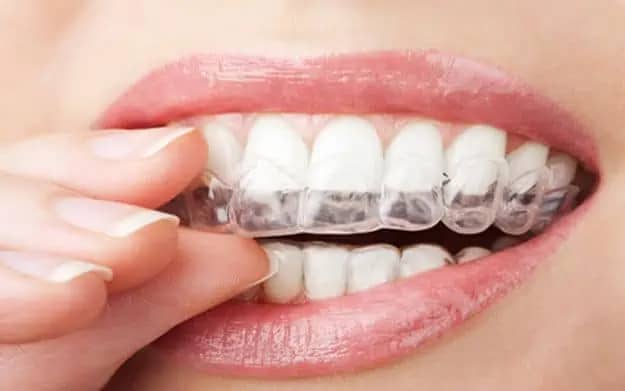
What is a bite splint and why is it key in the treatment of bruxism?
The bite splint, also commonly known as a night guard, is one of the most effective treatments for protecting teeth and alleviating the symptoms of bruxism. It is a customised device, made to measure by the dentist, which is mainly used at night to prevent tooth wear and reduce muscle overload. Bruxism and temporomandibular joint (TMJ) problems are conditions that require specialised treatment to improve the patient’s quality of life.
At Udemax Clinics, we prescribe bite splints after a comprehensive clinical assessment carried out by dental professionals, as not all patients require the same type of splint or the same design.
What is bruxism?
Bruxism is a disorder characterised by the involuntary habit of clenching or grinding the teeth, both during the day and at night. This often unconscious act can affect people of all ages and is usually related to situations of stress, anxiety or emotional tension. Bruxism not only causes tooth wear, but can also lead to jaw discomfort, joint pain and facial muscle strain. If not treated properly, this habit can lead to more serious problems in the mouth and temporomandibular joint, which in many cases require specific treatment for bruxism and TMJ. The use of a bite splint is one of the most recommended solutions to protect the teeth and relieve symptoms, allowing the patient to regain well-being and prevent further damage.
What is a bite splint?
A bite splint is a dental device designed to treat bruxism. It is usually made of acrylic resin or thermoplastic material and is placed on the upper or lower arch depending on the patient’s needs. Its main function is to prevent direct contact between the dental arches and to correctly distribute the forces generated when clenching or grinding the teeth.
Bruxism is a common disorder that can occur unconsciously, especially during sleep, and can cause significant damage over time if not treated properly.
Thanks to the customised design and technology used, optimal precision is achieved in the adjustment of the splint, improving the effectiveness and comfort of the treatment.
What is a bite splint used for?
The bite splint not only protects the teeth, but also serves several therapeutic functions: it helps dissipate the loads and energy transmitted by biting, reducing the force and pressure on the jaw and facial muscles, which improves the patient’s well-being and functionality.
Mandibular deprogramming
The bite splint is also used as a tool for jaw deprogramming, allowing the muscles to relax and eliminating occlusal interference. In addition, it helps restore the ideal position of the jaw, improving joint function and facilitating a more accurate diagnosis of temporomandibular disorders.
Protection against tooth wear
Prevents progressive deterioration of enamel caused by night-time grinding.
Muscle relaxation
It helps to relax the masticatory muscles and reduce tension accumulated in the jaw, neck, and facial area.
Prevention of TMJ problems
It helps to alleviate temporomandibular joint (TMJ) disorders, reducing clicking, locking and jaw pain.
Protection for dental treatments
Extends the lifespan of crowns, veneers, fillings, and implants, preventing fractures caused by excessive forces.
Improved rest
By reducing muscle tension and pain, it promotes more restful sleep and reduces morning discomfort such as headaches or a heavy jaw.
Are night guards and bite splints the same thing?
Yes. Night guard is a colloquial term used to refer to a bite splint, which is the correct clinical name.
It is important not to confuse it with other dental devices, as having accurate information helps you choose the right appliance and avoid common mistakes in treatment selection. The bite splint is a device designed specifically to treat bruxism and muscle problems. It has no aesthetic function and is not the same as a teeth whitening tray. Using generic mouth guards without professional supervision can worsen symptoms or cause occlusion problems.
Types of discharge devices
In the treatment of bruxism, there are different types of bite splints, adapted to the needs of each patient, within a comprehensive preventive dentistry strategy to maintain a healthy smile. Rigid bite splints, made of acrylic resin or transparent plastic, offer great resistance and are ideal for controlling teeth clenching and grinding. On the other hand, semi-rigid splints combine a softer interior with a rigid exterior, which makes them easier to adapt to the teeth and provides greater comfort from the first use. All these devices are custom-made, ensuring a perfect fit and optimal effectiveness in the treatment of bruxism and other occlusion problems. Choosing the most suitable type of splint depends on factors such as the material, hardness and individual characteristics of each case.
Occlusal splints in children and adolescents
Although bruxism is more common in adults, it can also occur in childhood, especially between the ages of 6 and 10. In many cases, it is temporary, but if it persists and causes discomfort, the dentist may recommend a splint adapted to the child’s growth and assess the need for interceptive orthodontics at an early age.
Benefits in paediatric and adolescent patients:
- They relax the masticatory muscles.
- They protect developing teeth.
- They prevent wear and tear and bite alterations.
- They help prevent future occlusion problems.
In these cases, it is essential to carry out regular checks to ensure that the bite splint fits correctly and functions properly as the child grows.
How is an occlusal splint manufactured?
At our clinics, bite splints are manufactured using digital technology, ensuring a precise and comfortable fit.
The process includes:
- Clinical examination and diagnosis of bruxism.
- Intraoral scanner or impression taking.
- Customised digital design.
- Manufacture and final adjustment in consultation.
- Delivery of the splint to the patient, followed by scheduling of fitting appointments to achieve balanced contact and periodic check-ups.
A well-designed splint does not cause discomfort, does not move, and fulfils its therapeutic function from the first use. One of the most widely used models is the Michigan splint, recognised for its benefits and common use in the treatment of bruxism.
Risks of using poorly fitted devices
Using a bite splint that does not fit properly can lead to serious oral health problems. A poor fit can cause discomfort in the mouth, pain in the jaw and temporomandibular joint (TMJ), and even alter the patient’s natural bite. In addition, improper use of a bite splint can aggravate bruxism, cause tooth displacement, or irritate the gums, worsening symptoms rather than alleviating them. Therefore, it is essential that the treatment be supervised by a dentist, who will make the necessary adjustments and ensure that the splint performs its function safely and effectively. The use of generic devices or those purchased without professional supervision is not recommended, as they may put the health of the mouth and joint at risk.
Benefits of treatment supervised by a dentist
Supervision by a dentist during treatment with a bite splint is key to achieving the best results. The specialist will assess each patient’s situation, identifying the cause of bruxism and designing a customised splint that fits perfectly in the mouth and jaw. In addition, the dentist will carry out regular check-ups to check the fit of the device and make any necessary changes, thus ensuring maximum effectiveness and comfort. Well-supervised treatment not only helps to alleviate the symptoms of bruxism, but also prevents damage to the teeth and improves the patient’s quality of life, allowing them to enjoy a healthy mouth free of discomfort.
Price and factors affecting the final cost
The price of a bite splint can vary depending on several factors, such as the type of material used, the complexity of the case, and the experience of the dentist in charge of the treatment. Generally, the cost of a bite splint ranges from £200 to £450, although this range may vary depending on the specific needs of each patient. Other factors that may influence the final price include the type of splint, the custom manufacturing process, and any adjustments necessary to ensure a perfect fit. It is therefore advisable to request a personalised assessment at the dental clinic, where the dentist will be able to provide information on the exact price and the most suitable options for each case, thus ensuring a long-term investment in health and well-being.
Care and maintenance of the splint
In addition, proper oral hygiene is essential to prevent gum disease and the need for specific periodontitis treatment. To keep the splint in good condition and prolong its useful life:
- Clean it daily with warm water and mild soap.
- Use a special brush for the splint.
- Perform a thorough weekly cleaning using specific products recommended for splints, which helps to ensure their effectiveness and durability.
- Do not expose it to sources of heat.
- Store it in its ventilated case when not in use.
- Attend regular check-ups to ensure it is still the right fit.
With proper maintenance, a bite splint can last for several years.
Are there any contraindications?
Bite splints have no contraindications when correctly prescribed and fitted by a professional. If any discomfort occurs, it can usually be easily resolved with minor adjustments at the dentist’s office.
Conclusion: an effective and safe solution
Bruxism can go unnoticed for a long time, but its consequences can be significant if left untreated. A bite splint is an effective, personalised and safe solution to protect the teeth, relieve pain and improve the patient’s quality of life.
At Udemax Clinics, we carry out individualised diagnoses and manufacture customised bite splints tailored to each patient’s needs.