How to whiten your teeth correctly (and what to avoid): A clear guide without myths
En este artículo
- Introduction to teeth whitening
- Why do teeth turn yellow?
- How to whiten your teeth correctly (methods that actually work)
- Methods that do NOT whiten teeth (and may harm your health)
- How to whiten your teeth at home without damaging the enamel (safe methods)
- How to whiten teeth stained by coffee, wine or tobacco
- How to whiten teeth with prosthetics: crowns, veneers or resins
- Crowns, veneers, and resins cannot be whitened.
- Is it safe to whiten your teeth during pregnancy?
- Foods that help whiten teeth
- When should I come to the clinic?
Many patients ask us how to whiten their teeth at home, how to remove yellowing, or how to eliminate stains from tobacco, coffee, or wine.
And questions also arise, such as:
- “How to whiten yellow teeth in 2 minutes?”
- “How can I whiten my teeth without damaging the enamel?”
- “How can I whiten my teeth if I drink coffee or smoke?”
Furthermore, it is important to know that beverages such as coffee, tea, wine, and cola can darken the colour of teeth and cause surface stains, so their consumption directly influences dental aesthetics.
Let’s be clear: it is possible to achieve whiter teeth, but not all methods work, and not all are safe. Several factors, such as genetics, consumption habits, and oral care routine, influence tooth colour and the success of whitening.
Here we tell you what DOES work, what DOESN’T work, and when to visit the dentist, so you can confidently choose the most appropriate and safest method for you.
Introduction to teeth whitening
Teeth whitening is one of the most popular cosmetic dental procedures for improving the appearance of your smile. Its main objective is to remove stains and discolouration, resulting in whiter, healthier teeth. There are different methods for whitening teeth, from professional treatments in the clinic to options that you can do at home under supervision. Each procedure has its advantages and limitations, so it is essential to be well informed before choosing the best option for you. A well-done teeth whitening not only improves the colour of your teeth, but also increases the confidence and beauty of your smile. Remember that it is always advisable to consult with professionals to ensure safe and long-lasting results.
Why do teeth turn yellow?
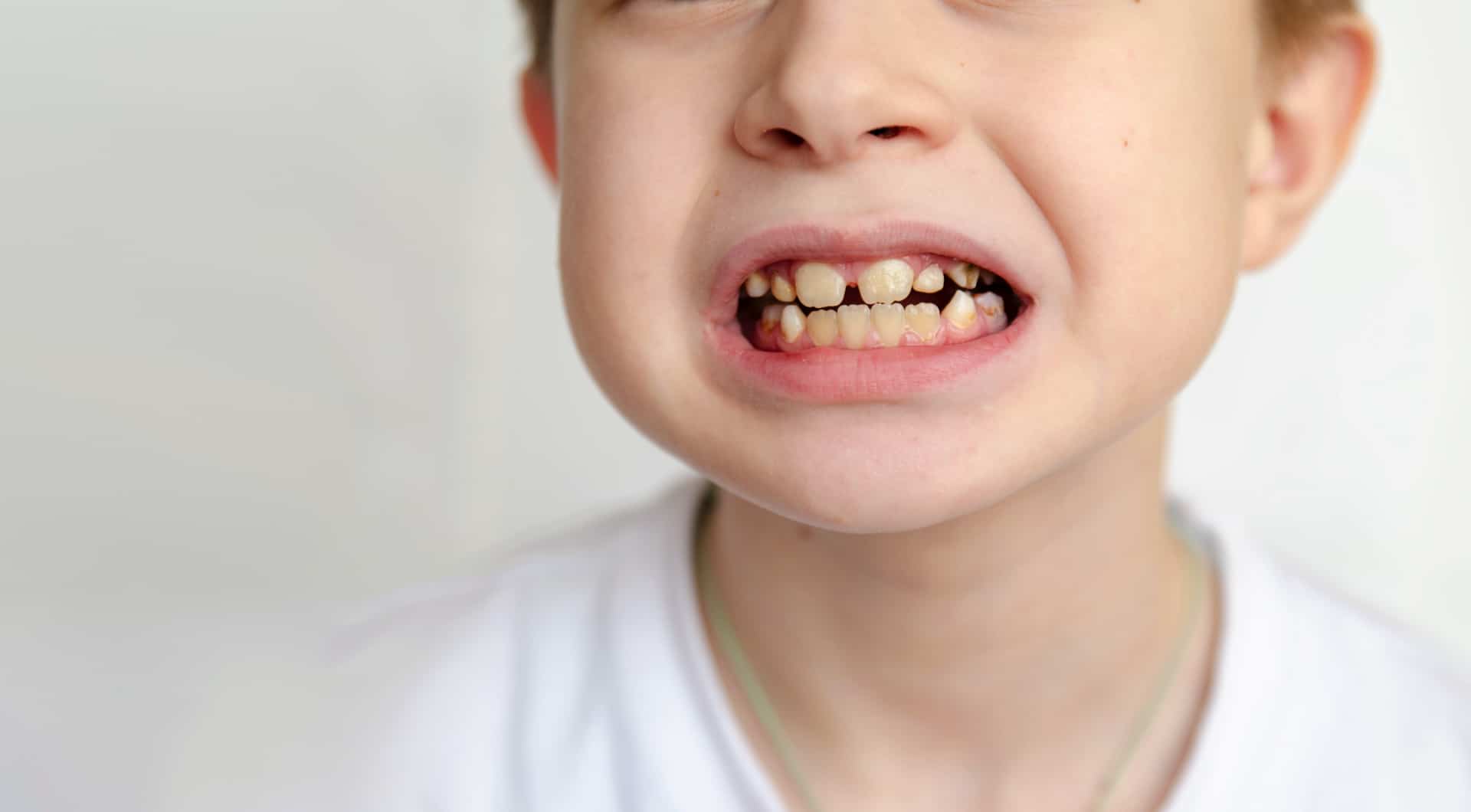
The most common causes are, and it is essential to prevent and treat yellow teeth professionally:
- Consumption of coffee, tea, wine, turmeric, or soft drinks: these agents can contribute to the formation of stains on teeth.
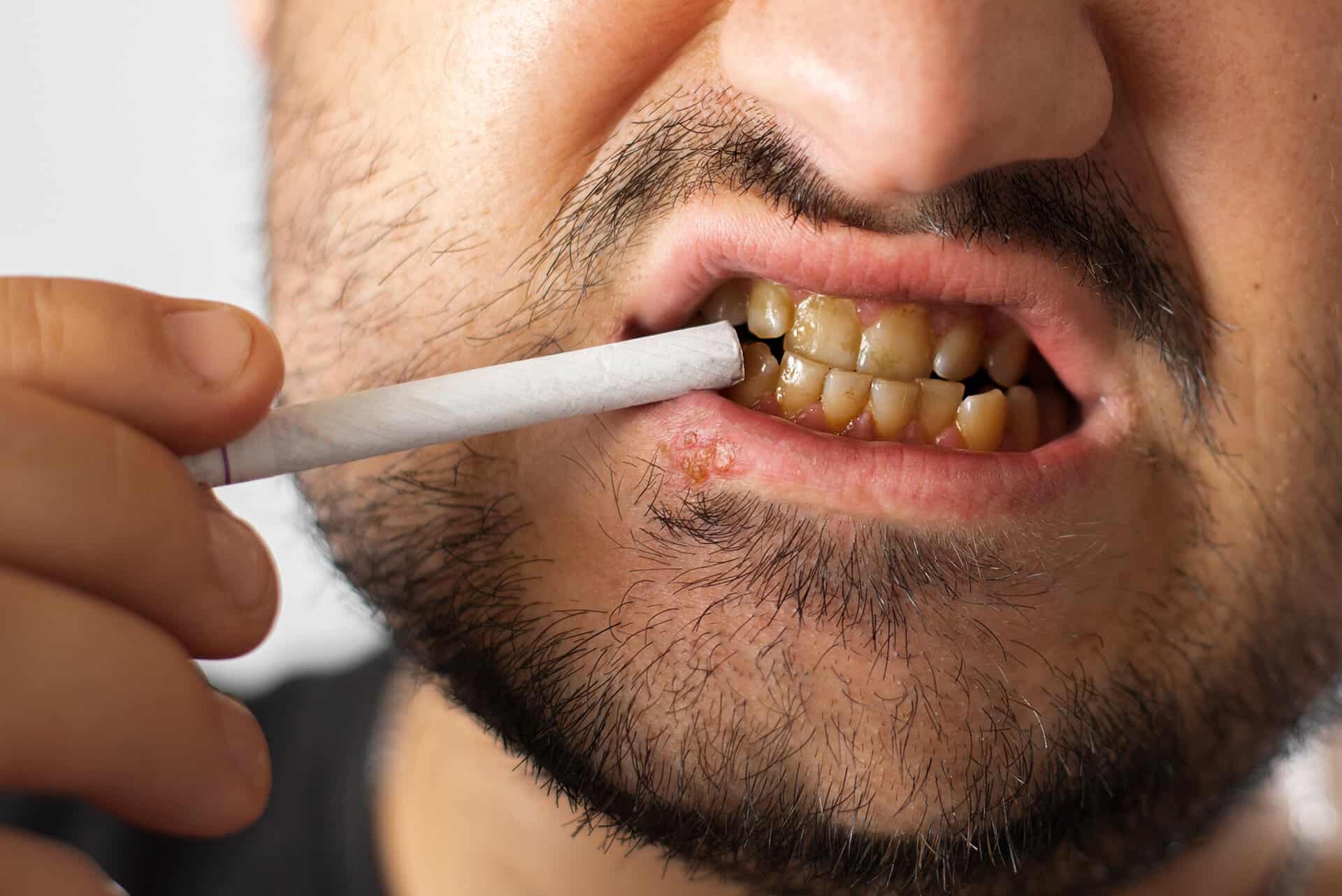
- Smoking: nicotine and other agents present in tobacco promote the formation of yellow stains and the deterioration of tooth enamel.
- Plaque or tartar build-up
- Natural ageing of enamel
- Trauma
- Medicines such as tetracyclines
- Genetics (naturally darker teeth)
Knowing the real cause is key to choosing the right treatment. In some people, genetics and habits have a greater influence on the formation of spots than in others.
How to whiten your teeth correctly (methods that actually work)
Professional whitening in the clinic (the most effective and safest method)
Before starting treatment, a personalised assessment is carried out for each patient, ensuring that the procedure is safe and appropriate for their needs.
It is the fastest, safest method with the best results. There are different options available, such as professional and home kits, some of which include LED technology and special light to enhance the effect of the whitening gel. The main active ingredient in these treatments is usually hydrogen peroxide, which releases oxygen to effectively whiten teeth.
At Clinicas Udemax, we use highly effective KöR medical whitening systems, capable of lightening teeth by up to 16 shades without damaging the enamel.
Advantages:
- Visible results from the very first session
- Enamel insurance
- Customised according to sensitivity and staining
- Long-lasting results
Ideal for:
Yellow teeth, stains from coffee, tobacco, medication or ageing.
Outpatient whitening with customised trays
You apply the whitening gel yourself at home using custom-made trays. This gel contains active agents that lighten teeth by removing surface and deep stains. It is essential that these products are used correctly and always under professional supervision to avoid damage to tooth enamel.
Advantages:
- Medical supervision
- More progressive
- Perfect for maintaining results
Highly effective for:
Maintain previous whitening results or improve moderate shades.
Clinical combination + splints (the most powerful)
The most comprehensive treatment, which we routinely use in our clinic to achieve excellent results, is the best solution for those seeking optimal results. This process combines sessions at the clinic with the use of splints and gel at home, allowing you to reap the benefits of both methods and achieve whiter teeth gradually and effectively.
Methods that do NOT whiten teeth (and may harm your health)
Let’s get straight to the point: many home methods for whitening teeth can damage tooth enamel and cause problems such as sensitivity, irritation or even permanent wear. It is essential to bear in mind that attempting to whiten your teeth without proper supervision can lead to complications for your oral health.
As a word of advice, before trying any home remedy for whitening your teeth, always consult a dentist to avoid unnecessary damage and problems.
It doesn’t work and damages the enamel:
Bicarbonate
Causes micro-abrasions → leads to yellowing in the long term.
Lemon
Very high acidity → erodes enamel → permanent sensitivity.
Activated carbon
Very abrasive → thins the enamel.
Pharmacy hydrogen peroxide
It may cause burns and severe sensitivity.
Highly abrasive “whitening” pastes
They do not whiten: they scrape away stains… and enamel.
Some whitening toothpastes contain abrasive particles that remove surface stains, but they can also wear down tooth enamel if used excessively, increasing the risk of tooth sensitivity. It is important to check the RDA (Relative Dentin Abrasivity) index of these toothpastes, as a high index indicates greater abrasiveness and risk to the enamel. It is recommended to choose toothpastes with a low RDA index to protect long-term dental health.
“Whiten in 2 minutes” remedies
There is no home method that can whiten teeth in two minutes without damaging them.
How to whiten your teeth at home without damaging the enamel (safe methods)
There are specific products for whitening teeth at home that contain safe ingredients and whitening agents, such as peroxide, designed to effectively remove stains. It is essential to choose the right solution according to the type of stains and individual needs, and to limit the use of these products to avoid damage to tooth enamel.
To clarify minimally and maintain results:
Non-abrasive whitening toothpastes
They help remove surface stains, but do not change the internal colour. It is important to choose whitening toothpastes that have a low abrasiveness index (RDA index) and contain agents that are safe for enamel, such as peroxide, to avoid damaging the teeth while removing stains.
Low-concentration oxygenating rinses
They reduce stains if good hygiene is practised, as the rinses contain ingredients and active agents that help remove surface stains from teeth.
Avoid pigmented foods
Coffee, tea, curry, red wine… Pigmented
drinks such as coffee, tea and wine can stain your teeth, so it is advisable to consume them in moderation. If you do drink them, rinse with water afterwards.
Electric toothbrush
Removes plaque much more effectively.
Professional dental cleaning
It is the basis for whitening to work.
How to whiten teeth stained by coffee, wine or tobacco
Professional cleaning
Professional dental cleaning is the first essential step before any whitening treatment. It involves removing plaque, tartar, and surface stains accumulated on the teeth using specialized instruments. This cleaning not only improves oral health by preventing cavities and gum disease, but also prepares the tooth surface for more effective and uniform whitening. It is recommended to have a professional cleaning at least once a year, or as directed by your dentist, to keep your teeth in optimal condition.
Medical whitening in the clinic
Teeth whitening performed in the clinic is a procedure supervised by specialists that uses products with controlled concentrations of whitening agents, mainly hydrogen peroxide or carbamide peroxide. These products penetrate the enamel and dentin to remove deep stains and lighten the color of the teeth by several shades.
In resistant cases: internal or combined whitening
When teeth have internal stains that are difficult to remove with conventional methods, such as teeth darkened by trauma or root canal treatments, internal whitening can be used. This procedure involves applying the whitening agent directly inside the tooth, from the inside, to lighten the dentin. It is a more specialized treatment that requires the intervention of an expert dentist. In some cases, internal whitening is combined with external whitening (combined) to achieve better results on very dark teeth or teeth with deep stains. This comprehensive approach maximizes effectiveness and significantly improves dental aesthetics in complex situations.
How to whiten teeth with prosthetics: crowns, veneers or resins
This is key: teeth whitening treatment must be tailored to the needs of each patient with dentures, with a preliminary assessment to determine the safest and most effective option.
Crowns, veneers, and resins cannot be whitened.
They may only:
- Polish oneself
- Replace oneself
- Equalise after natural teeth whitening
Is it safe to whiten your teeth during pregnancy?
No. Teeth whitening is not recommended during pregnancy or breastfeeding.
We wait until later to ensure safety.
Foods that help whiten teeth
They do not whiten teeth as such, but they help keep them clean thanks to certain factors and natural agents present in these foods, which contribute to dental hygiene:
- Apple
- Celery
- Carrot
- Cheese
- Plain yoghurt
When should I come to the clinic?
If you have:
- Very dark spots
- Teeth with tetracycline
- Greyish teeth
- Stains from knocks
- Crowns/veneers that do not match in colour
- Previous sensitivity
Now you know how to whiten your teeth, so you can book your first free appointment at our clinics in Mallorca and take the first step towards achieving your dream smile. We will offer you a quick, aesthetic solution, fully tailored to your needs, so you never have to worry about the appearance of your smile again. Call us on 971 767 521, send us a WhatsApp message on 607 833 629 or fill in our online form. We look forward to hearing from you!