Full dental arch: fixed implant-supported solutions in Mallorca
En este artículo
- What is a full-arch dental implant treatment?
- Types of full-arch restoration: All-on-4, All-on-6 and other options
- Benefits of full-arch dental implants
- What is the step-by-step process at Udemax Clinics?
- Types of dentures for a full set of teeth
- Requirements, care and maintenance of a full arch of implants
- Approximate costs and financing options in Mallorca
- Full dental arch treatment in Mallorca: why choose Udemax Clinics
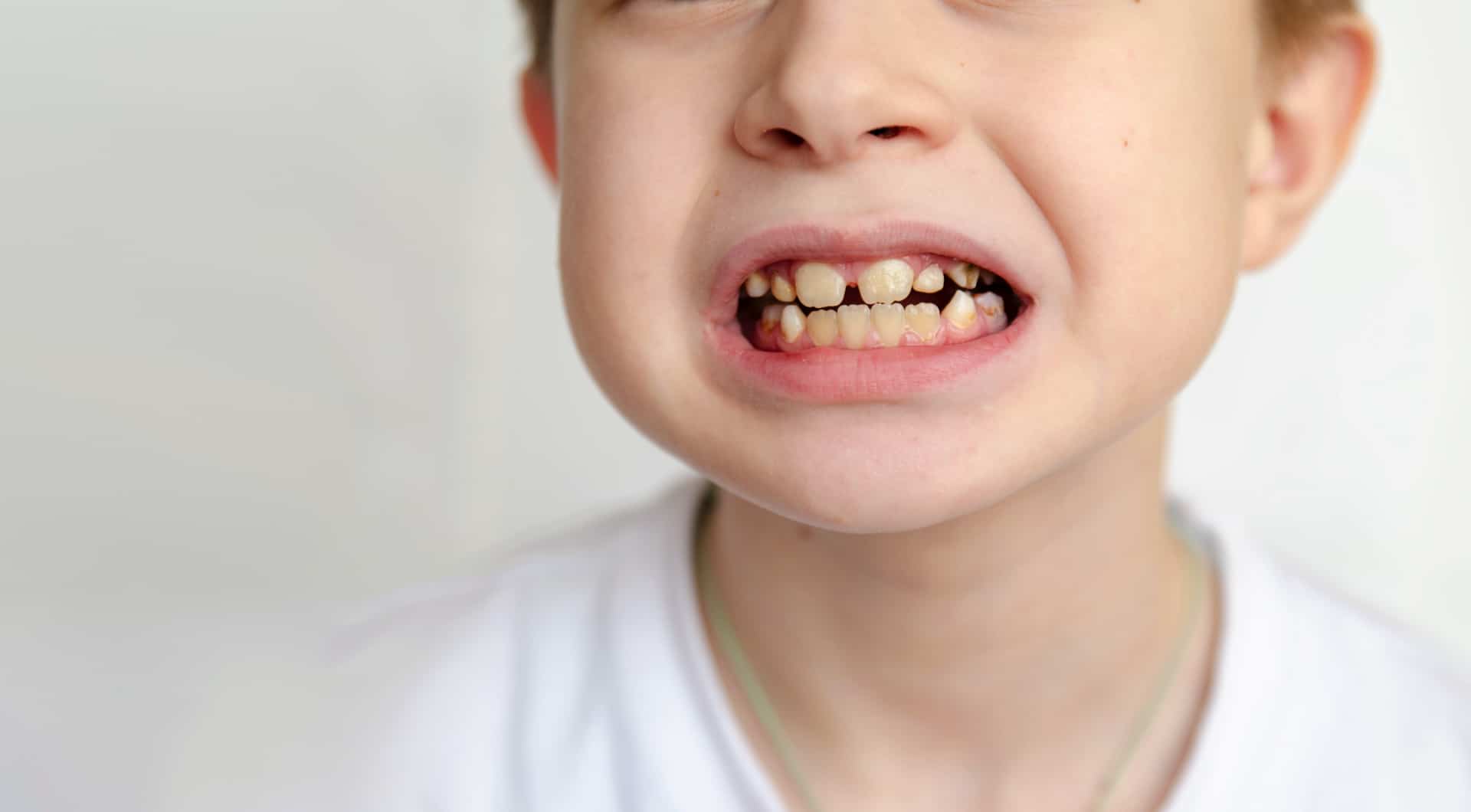
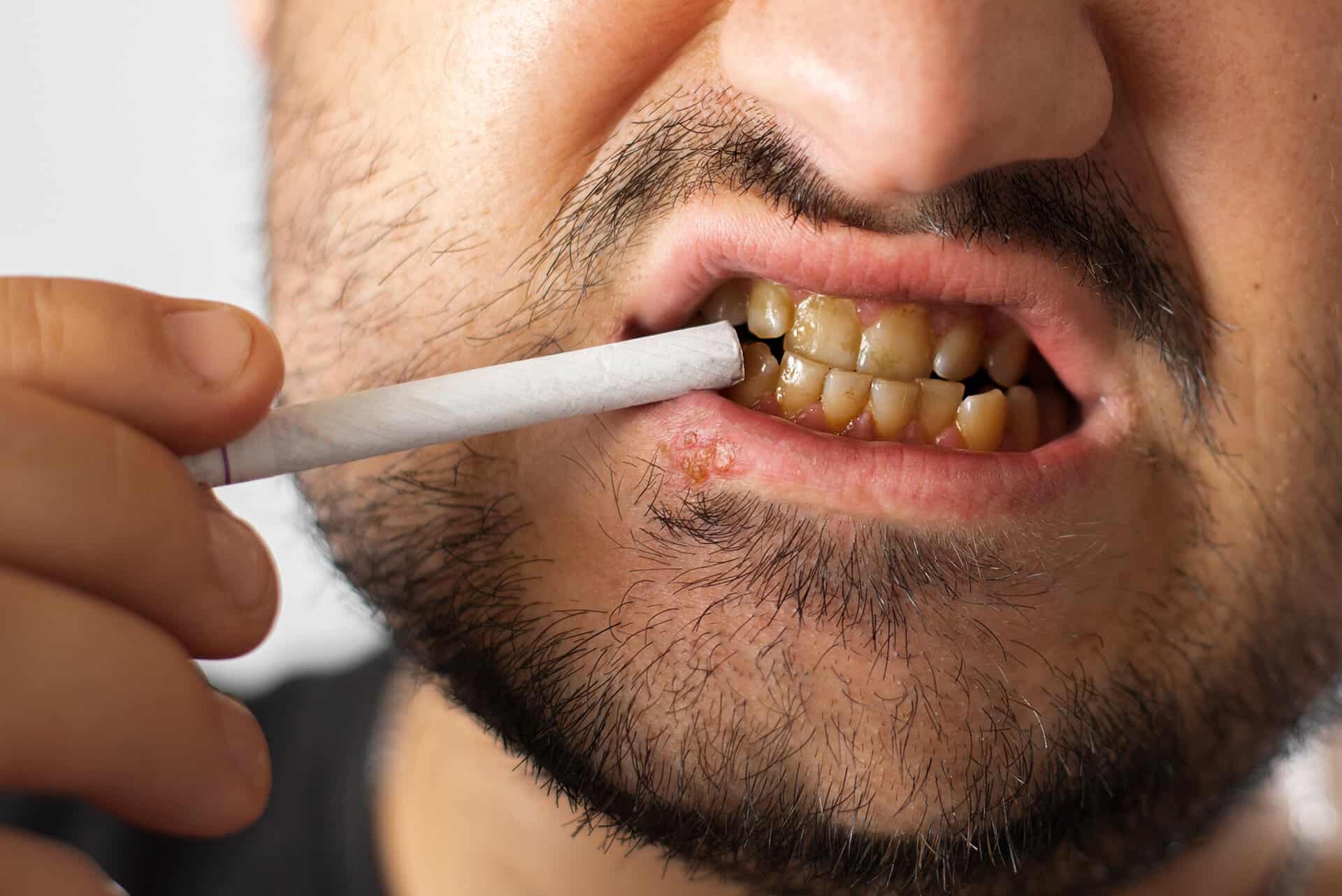
Losing all the teeth in one jaw is a life-changing experience for anyone. Chewing becomes difficult, speech loses its clarity and your smile no longer looks natural. However, modern dentistry offers a permanent solution: full-arch dental restoration using implants.
At Clinicas Udemax, leaders in dental implants in Mallorca, we have been carrying out this treatment on the island for decades, treating patients from Palma, Inca, Manacor and the rest of Mallorca. We have treated cases of advanced periodontitis that destroyed the periodontal ligaments, people over the age of 60 with multiple fractures caused by trauma, and patients frustrated with removable dentures that move when eating or speaking.
In this article, you’ll find clear answers to:
- What exactly is a full-arch implant treatment?
- Differences between All-on-4, All-on-6 and other options
- What is the step-by-step process at our clinic?
- What care will you need and what results can you expect?
What is a full-arch dental implant treatment?
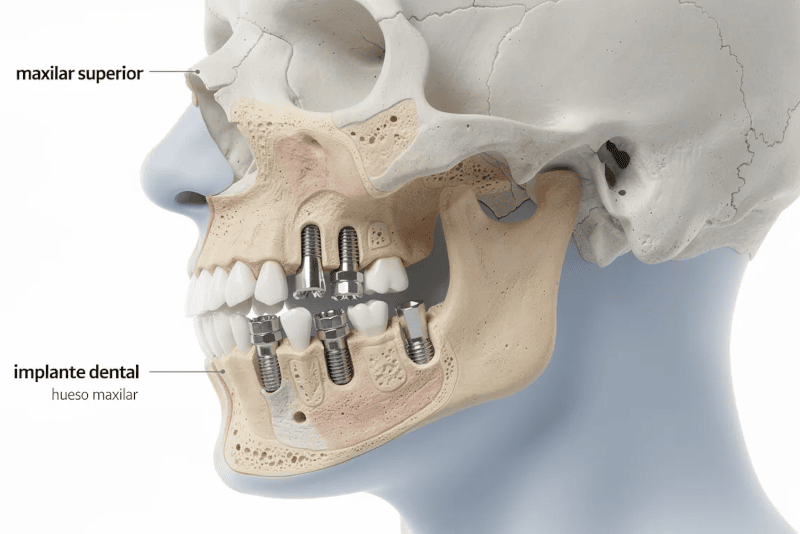
A full-arch dental treatment involves placing a set of titanium implants in the upper or lower jaw to support a fixed prosthesis that replaces all the teeth in that arch. It is very different from a traditional set of dentures.
There are three types of rehabilitation, depending on the affected area:
- Upper arch: replacement of all teeth in the upper jaw
- Lower arch: replacement of all teeth in the lower jaw
- Bimaxillary rehabilitation: both dental arches in the same patient
The key difference compared to conventional dentures is that this structure is screwed or cemented directly onto the implants. It does not move, does not need to be removed at night, and does not require adhesives. Unlike traditional bridges, it also does not require healthy teeth to be ground down, as the base rests directly on the bone via the implants.
Types of full-arch restoration: All-on-4, All-on-6 and other options
The choice of protocol depends on the quantity and quality of the available bone, as well as on each patient’s individual characteristics.
All-on-4
It uses four strategically placed implants: two straight anterior implants and two posterior implants angled at 30–45 degrees. This arrangement makes the most of the anterior bone, making bone grafts unnecessary in 80–90% of cases. Clinical studies show success rates of 95–98% at 5–10 years.
All-on-6
It uses six implants to ensure a better distribution of bite forces. It is recommended when the bone is strong, particularly in younger patients or those with strong chewing habits. It reduces the stress on each implant by 30–40% compared to the All-on-4 method.
Other options
- Overdentures on 2–4 implants: a removable prosthesis that ‘clicks’ onto the implants, providing up to 10 times better retention than conventional dentures
- Segmented arch: multiple fixed bridges supported by implant clusters for very long arches with severe bone resorption
Option | Stability | Main indication | Maintenance | Relative cost |
|---|---|---|---|---|
All-on-4 | Sign up | Moderate bone atrophy | Medium | Intermediate |
All-on-6 | Very high | Sturdy bone | Medium | Mayor |
Overdenture | Medium-high | Limited budget | Simple | Minor |
Benefits of full-arch dental implants
The aim of this treatment is not simply to ‘fit teeth’, but to restore the patient’s function, appearance and quality of life.
Masticatory function
- Restoration of 70–90% of natural chewing ability
- The possibility of eating foods such as meat, nuts or Mallorcan bread again
- Compared with the 20–40% success rate of removable dentures, the improvement is striking
Cosmetics and smiles
- Restored lip support, preventing collapse of the lower third of the face
- Teeth that can be customised in terms of colour, shape and size to suit the patient’s age and facial features
- Eliminating the ‘sunken face’ appearance caused by tooth loss
Stability and comfort
- No movement or discomfort when speaking or chewing
- Prevention of sores and ulcers commonly found in denture wearers (affecting 40–60%)
- No adhesives or glues required
Bone health
- Implants stimulate bone through mechanotransduction
- Long-term preservation of 80–90% of bone volume
- Prevention of resorption, which occurs at a rate of 0.1–0.2 mm per year without implants
What is the step-by-step process at Udemax Clinics?
The whole process takes between 3 and 6 months, depending on the individual case. Here’s an explanation of each stage:
Phase 1 – Research and planning (Day 0)
- Initial consultation with a full physical examination
- Panoramic X-rays and 3D CBCT scans to assess bone density
- Personalised treatment plan with options and a detailed quote
Stage 2 – Implant surgery as part of a comprehensive dental implant treatment programme
- Procedure under local anaesthetic (1–2 hours per jaw)
- Placement of 4–6 implants using precision guides
- If necessary: bone grafts or sinus lift
Stage 3 – Temporary prosthesis (24–48 hours)
- In 70–80% of cases, immediate loading is possible
- The patient leaves with a temporary fixed prosthesis on the same day
- Functional continuity whilst the implants are integrating
Stage 4 – Osseointegration
- The biological process of titanium integration with bone
- Duration: 3–4 months in the lower jaw, 4–6 months in the upper jaw
- Monthly check-ups
Stage 5 – Permanent prosthesis
- Taking impressions and bite tests
- Fitting of the final prosthesis made of reinforced resin or ceramic
- Final adjustment of bite and aesthetics
Types of dentures for a full set of teeth
The choice of materials and design influences the appearance, durability and final cost, as part of a comprehensive and personalised dental restoration.
Fixed hybrid prosthesis
- Internal metal frame with an acrylic resin coating
- Ideal for patients with significant bone resorption who need to restore lost gum tissue
- Lightweight (50–100g) and easy to repair
Zirconia or ceramic crowns
- Made from monolithic zirconium with a strength of 900–1200 MPa
- Premium aesthetics with translucency similar to natural enamel
- Recommended for patients with high aesthetic expectations
Implant-supported overdentures
- Removable dentures with a clip or bar system
- A more cost-effective option that significantly improves alignment and retention
- Recommended when the budget is limited
At Udemax Clinics, we select the type of prosthesis based on the amount of bone available, the patient’s habits (such as teeth grinding or smoking), the expected functionality and the available budget, explaining each option clearly and transparently.
Requirements, care and maintenance of a full arch of implants
Prerequisites
It is necessary to assess the patient’s general state of health. Uncontrolled diabetes can halve the survival rate of implants. We also assess the use of anticoagulant medication and osteoporosis. Giving up smoking increases osseointegration by 15–20%.
Daily hygiene
- Brush after every meal using a soft-bristled toothbrush
- Using interdental brushes to clean between the components of the denture
- Dental irrigator for removing plaque from under pontics
Although artificial teeth do not develop cavities, the gums and bone can become inflamed (peri-implantitis) if oral hygiene is poor. Wear and tear on the components also depends on daily care.
Regular checks
- Check-ups every six months with X-rays, as advised by the dentist
- Checking the torque of the screws and the condition of the occlusion
- Early detection of any problems
Habits to avoid
- Do not bite ice, bones or extremely hard food
- Avoid using your teeth as a tool
- Please consult a doctor if you experience any unusual symptoms
Approximate costs and financing options in Mallorca
The cost of a full refurbishment depends on several factors:
- Number of implants required
- Type of prosthesis (hybrid, ceramic, overdenture)
- Additional procedures such as grafts or breast lifts
Nationwide, the cost of a full set of fixed dentures typically ranges from €12,000 to €25,000, with an additional 20–50% if further procedures are required.
At Udemax Clinics, we offer:
- A fixed-price quote provided in writing following the initial assessment
- Different options depending on the materials and number of implants
- Monthly payment plans tailored to residents of Mallorca and international patients
Typical case example: A 65-year-old patient with complete edentulism in the lower jaw, treated using the All-on-4 technique, would receive a quote covering four implants, a hybrid temporary prosthesis and a final prosthesis, with no hidden costs.
We always recommend a diagnostic consultation to get a personalised plan, rather than relying solely on prices found online.
Full dental arch treatment in Mallorca: why choose Udemax Clinics
At Udemax Clinics, we have a team of implantologists and prosthodontists with specialist training in full-arch rehabilitation. Since the 2010s, we have treated numerous patients with long-term follow-up, achieving satisfaction rates of over 90%.
What sets us apart:
- Advanced digital technology: 3D CT scans, guided surgery and smile design
- We can arrange intensive treatment programmes for patients from other parts of Spain or from abroad
- A close and transparent relationship with each individual
- Specialists with experience in complex cases of malocclusion and crowding treated with orthodontics in Palma de Mallorca
If you have any questions about your case, the first step is to book an assessment appointment at any of our clinics in Mallorca. Our aim is to assess your specific situation, answer your questions and explain all the options available to you.
Ready to get your smile back? Book your initial consultation at Clinicas Udemax via the contact form on our website, give us a call on 971 767 521, or pop in to see us. The journey towards a complete and functional set of teeth begins with a single step.