Tooth recession and gum recession: causes, treatments and prevention in Mallorca
En este artículo
- Key conclusions
- What do we mean by ‘dental recession’? Gingival recession and gum loss
- Causes of gum recession and ‘tooth recession’
- Signs and symptoms: how to tell if your gums are receding
- Consequences of not treating gum recession
- Diagnostics at Udemax Mallorca Clinics
- Treatments for gum recession and gum loss
- Conservative treatments and the management of sensitivity
- Mucogingival surgery and gum grafts
- Bone regeneration and long-term stability
- Prevention: how to prevent gum recession in your day-to-day life
- Treatments for tooth whitening regression: how to maintain the results
- Udemax Clinics in Mallorca: a holistic approach to gum health and cosmetic dentistry
- Frequently asked questions about tooth recession and gum recession
Many patients come to the clinic concerned that their teeth ‘look longer’ or that they feel a sharp twinge when drinking something cold. They often refer to ‘tooth regression’, without realising that the actual problem is usually progressive gum recession which, if left untreated, can lead to tooth loss. In this article, we explain what happens when the gums recede, how to spot it early on, and what solutions Udemax Clinics in Mallorca offer.
Key conclusions
- Gingival recession is the retreat of the gums towards the root of the tooth, exposing the root cementum and leading to loss of supporting bone. It does not regenerate naturally.
- The causes of recession are multifactorial: aggressive brushing, periodontitis, poorly managed orthodontic treatment, bruxism, smoking, age and genetic predisposition.
- There are effective treatments ranging from deep cleaning and dentine sealing to connective tissue grafting and guided bone regeneration.
- Early detection greatly increases the chances of restoring root coverage and avoiding more serious complications.
- If you notice any signs of receding gums or sensitivity, book an appointment at Clínicas Udemax in Palma or at any of our other branches in Mallorca.
What do we mean by ‘dental recession’? Gingival recession and gum loss
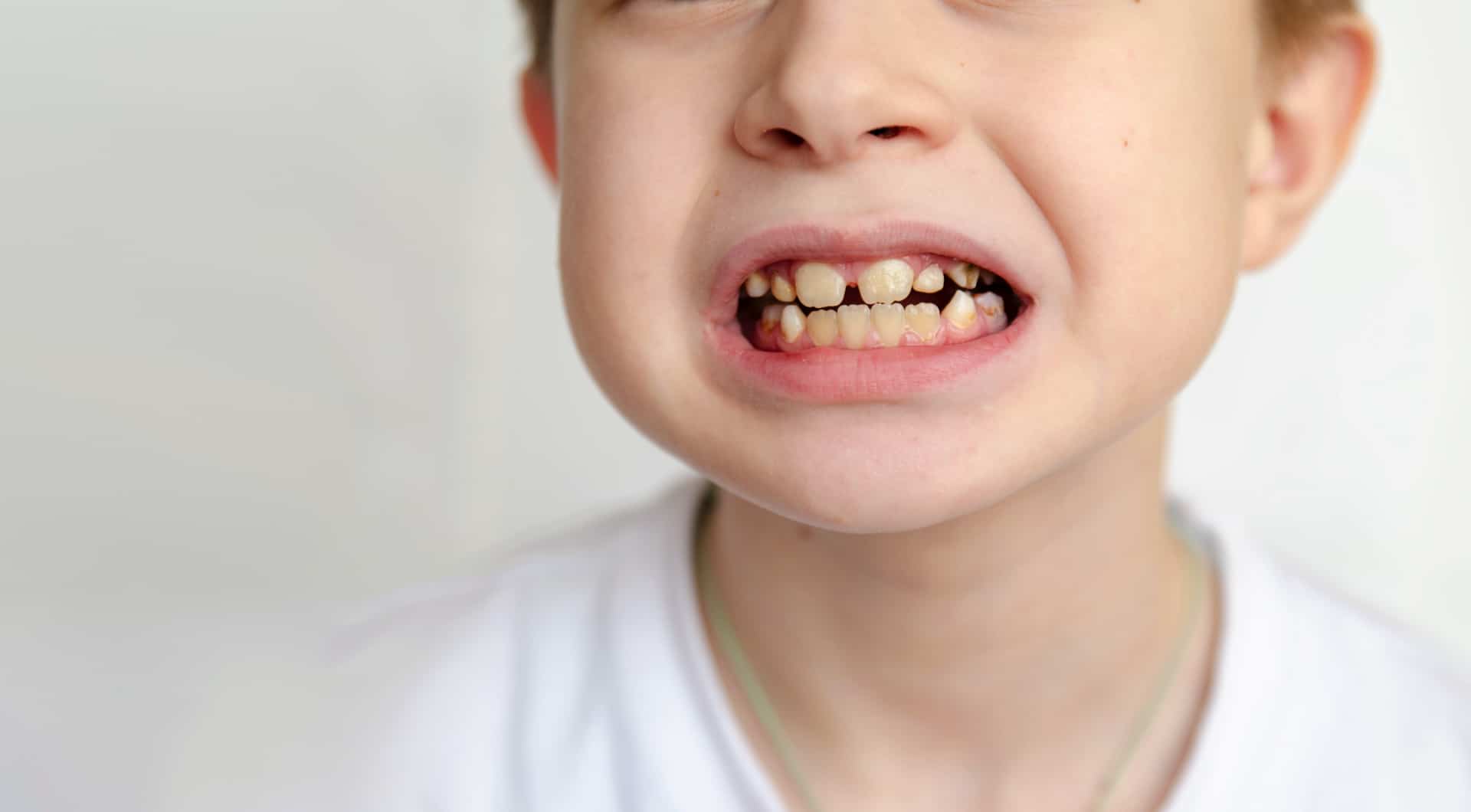
In clinical practice, patients often use the term ‘tooth recession’ when they notice that a tooth appears to have ‘moved back’ or that the gum has receded. The correct name for this process is gingival recession or gum retraction: a shift in the gum line that exposes the tooth root and often involves loss of alveolar bone.
It is important not to confuse this condition with other problems such as cervical enamel loss due to abrasion or internal tooth resorption. Gum recession exposes the tooth roots, leaving a surface of dentine and cementum unprotected by the enamel crown, which alters the appearance of the smile and causes tooth sensitivity.
According to recent epidemiological studies, the global prevalence of gingival recession is 78–85 per cent of the adult population when measured using a threshold of ≥ 1 mm. The condition can affect a single tooth or several areas, and is particularly common in incisors and canines.
Causes of gum recession and ‘tooth recession’
Gum recession rarely has a single cause. In most of the cases we see at Udemax, several risk factors are involved:
- Traumatic brushing: aggressive brushing can cause gum recession, particularly when using hard-bristled toothbrushes and applying excessive pressure with horizontal movements.
- Buildup of bacterial plaque: the buildup of bacterial plaque causes gum recession by leading to chronic inflammation and the destruction of the supporting tissues.
- Periodontitis and gingivitis: periodontitis is an infectious disease of the gums caused by bacteria. The build-up of bacterial plaque causes periodontitis, and this condition can lead to severe gum recession.
- Malocclusion and dental malposition: teeth that are positioned too far labially result in thin bone that resorbs easily. A study carried out in Barcelona identified dental malposition as a significant predictor of recession.
- Bruxism: gum recession can be caused by bruxism, which exerts traumatic forces on the tooth structure and bone.
- Poorly planned orthodontic treatment: excessive forces or braces without periodontal monitoring can cause gum recession due to resorption of the buccal bone.
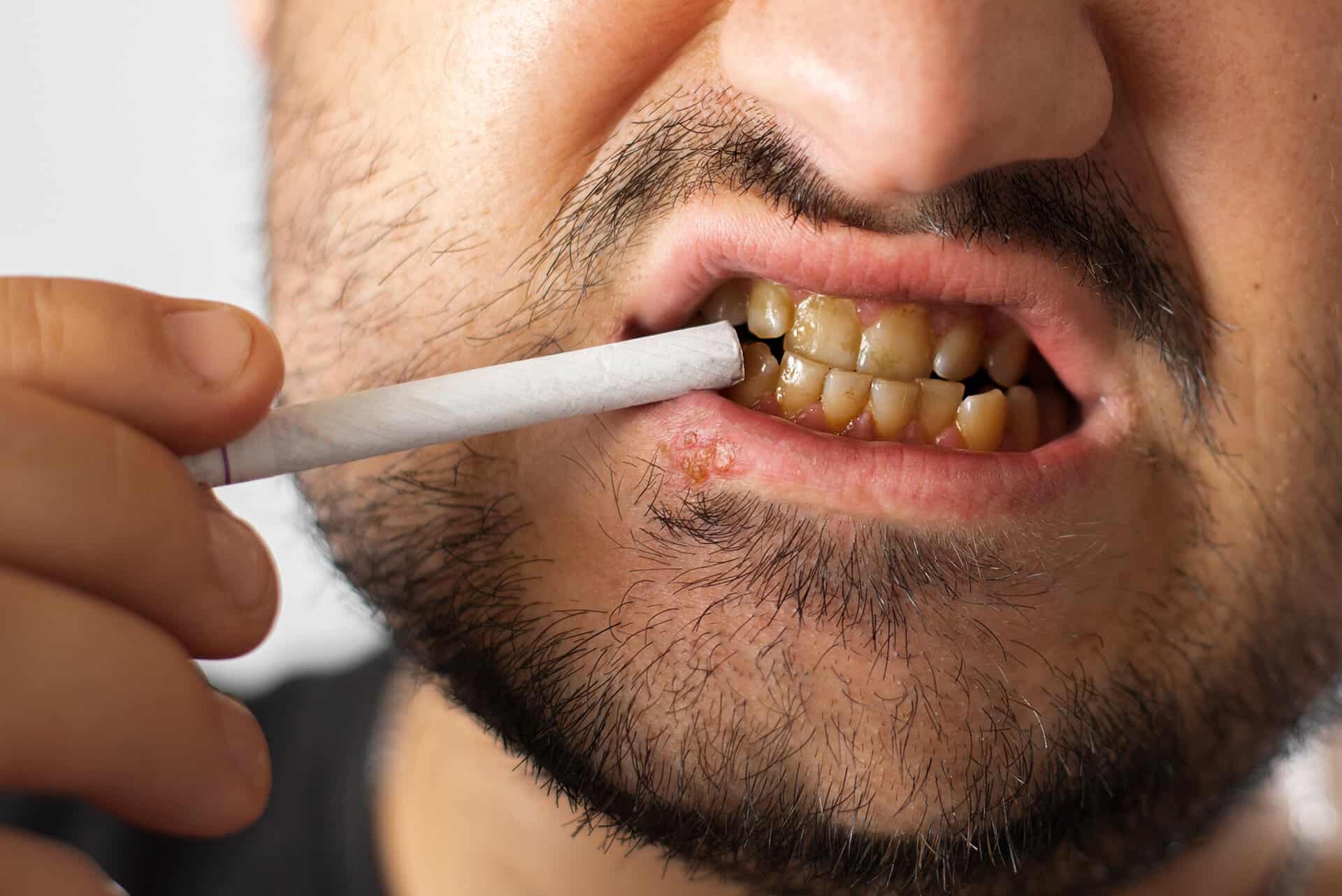
- Tobacco: smoking is a risk factor for plaque build-up and the destruction of periodontal tissues.
- Oral piercings: the constant rubbing of piercings on the lips or tongue wears down the gums and the surface of the teeth.
- Other factors: advanced age, hormonal changes, low-insertion frenula, genetic predisposition and a thin gingival biotype.
Inadequate brushing can cause gum recession to develop silently over a period of years. For this reason, an accurate diagnosis of the cause determines every step of the treatment plan.
Signs and symptoms: how to tell if your gums are receding
Gum recession can develop slowly and go unnoticed until the damage is obvious. Look out for these signs:
- A tooth that looks longer than usual
- A yellowish or darker root exposed below the gum line
- Black spaces between the teeth due to loss of papillae
- Change in the gum line
Gum recession can be painful and cause tooth sensitivity. The most common symptoms include sensitivity to cold, heat or sweet foods, pain when brushing, and a tight feeling in the mouth.
If you also experience red gums, bleeding, swelling or persistent bad breath, these could be signs of associated periodontal conditions. At Udemax Clinics, we carry out a comprehensive periodontal examination, including probing, millimetre-precise measurement of gum recession and digital X-rays or CBCT scans where necessary.
Consequences of not treating gum recession
Gum recession is not just a cosmetic issue. As a direct consequence of failing to take timely action:
- Progressive sensitivity: exposed dentine reacts to thermal and chemical stimuli.
- Root caries: as the root is not protected by enamel, plaque builds up more easily, increasing the risk of infection.
- Periodontal pockets: the loss of supporting tissue encourages the formation of pockets where bacteria thrive.
- Loss of alveolar bone: gum recession can lead to tooth loss if the process of bone destruction is not halted.
- Aesthetic concerns: an aged smile, uneven teeth and dark triangles between the front teeth.
- Limitations for future treatment: in advanced cases, placing implants requires prior regeneration, which complicates the procedures and makes them more expensive.
Diagnostics at Udemax Mallorca Clinics
An accurate diagnosis is the first step before deciding on a course of treatment. At Udemax, the process includes:
- Detailed medical history: brushing habits, bruxism, smoking, previous orthodontic treatment
- Examination of the gums and teeth using periodontal probing
- Periapical X-ray and digital orthopantomogram to assess bone loss
- 3D CBCT in complex cases involving significant bone resorption
The periodontist classifies recessions according to the Cairo classification (RT-1, RT-2, RT-3) to determine the prognosis for root coverage. Where necessary, the team coordinates the assessment with the clinic’s orthodontist or bruxism specialist.
Treatments for gum recession and gum loss
Treatment for gum recession is always tailored to the individual. At Udemax, the aim is to halt its progression, restore lost tissue and improve appearance and comfort. In mild, asymptomatic cases, regular monitoring and improved oral hygiene may be sufficient. Where there is loss of bone support, tooth mobility or significant aesthetic compromise, mucogingival surgery is considered.
Treatments usually combine: regular professional cleaning, adjustments to brushing technique, periodontal therapy, sealing of sensitive dentine, and surgical techniques to cover roots and regenerate areas where bone has been lost. The treatment plan and its duration are explained to the patient at the first appointment.
Conservative treatments and the management of sensitivity
In many early-stage recessions, the primary aim is to control inflammation and reduce sensitivity without resorting to surgery.
Deep cleaning reduces gum recession by removing plaque and tartar that have built up below the gum line through scaling and root planing. This step significantly slows down the loss of supporting tissue.
For sensitivity, toothpastes containing fluoride, potassium nitrate or arginine are used, as well as specific mouthwashes. In clinical practice, dentine sealing with varnishes or adhesive resins blocks the tubules in the exposed dentine and provides immediate pain relief.
The use of soft-bristled toothbrushes is recommended, as this helps prevent wear and tear on the enamel and soft tissues. Personalised instruction in a gentle brushing technique is a fundamental part of the treatment.
Mucogingival surgery and gum grafts
When recession is moderate or advanced, the treatment of choice is usually mucogingival surgery performed by a periodontist.
- Coronal advancement flap (CAF): in shallow recessions with sufficient keratinised gingiva, a coronally advanced flap can cover the exposed root without the need for a graft.
- Subepithelial connective tissue graft: taken from the palate, this is the gold standard. Gingival grafts cover exposed roots and improve support, achieving the highest rate of complete coverage according to recent meta-analyses.
- Other options: free gingival grafts for areas without keratinised gingiva, and allogeneic or xenogeneic matrices to avoid the need to harvest tissue from the palate in certain patients.
The post-operative period involves mild swelling, which can be managed with medication, a soft diet for the first few days, and specific cleaning instructions. Antibiotics may be prescribed to prevent infections following gum treatments, should the periodontist deem it necessary.
Bone regeneration and long-term stability
When gum recession is associated with bone loss, guided bone regeneration is essential to prevent tooth loss and facilitate future treatments such as implants.
Bone regeneration promotes the growth of new bone through the placement of biomaterials and barrier membranes. Bone grafting uses the patient’s own bone or synthetic bone to replace damaged bone, restoring structure and support to the affected area.
At Udemax, these procedures are carried out under radiographic guidance and with digital planning. Long-term stability depends on a combination of surgery, control of bacterial plaque, giving up smoking and correcting traumatic forces such as bruxism or malocclusion. Following regeneration, a periodontal maintenance programme with regular check-ups ensures that the results are long-lasting.
Prevention: how to prevent gum recession in your day-to-day life
Prevention is the most effective way to protect the health of your gums:
- Correct brushing technique: gentle, controlled movements, without applying excessive pressure. Use soft-bristled toothbrushes and replace them every 3 months.
- Daily interdental hygiene: daily flossing is essential for preventing periodontal disease. It is recommended that you floss to prevent gum recession and use interdental brushes as a complement to this.
- Professional check-ups: a professional dental clean should be carried out at least once a year. Patients with a history of periodontitis require check-ups every 3–6 months.
- Bruxism management: managing bruxism prevents tooth movement and wear. A bite splint is the most common way of achieving this.
- Giving up smoking: drastically reduces the risk of periodontal disease.
- See your dentist as soon as possible if you notice any signs of bleeding, sensitivity or a change in the shape of your gums.
Treatments for tooth whitening regression: how to maintain the results
Another situation in which patients refer to ‘tooth colour regression’ is the loss of whitening intensity over time. All whitening systems show some initial regression during the first 5–10 days due to the release of fluids from the enamel.
In the medium and long term, relapse depends on diet (coffee, tea, red wine), smoking and oral hygiene. At Udemax, we offer personalised maintenance programmes involving retainers, supervised gels and regular check-ups.
Teeth whitening does not damage the gums if carried out correctly, but in patients with gum recession, a preliminary assessment is essential to prevent excessive sensitivity on the exposed root surface.
Udemax Clinics in Mallorca: a holistic approach to gum health and cosmetic dentistry
Udemax Clinics operates in Mallorca, offering a comprehensive approach covering periodontics, mucogingival surgery, orthodontics, cosmetic dentistry and implant-supported restoration. The team has expertise in the diagnosis and treatment of gum recession, bone loss and tooth retraction.
The clinic is equipped with advanced technology (digital X-rays, CBCT and digital planning) to accurately assess tissue loss and plan each procedure. If you notice any signs of recession, sensitivity or a change in the appearance of your teeth, please book a personalised assessment. Your first appointment includes a full diagnosis, treatment options, a quote and estimated timelines, all explained clearly.
Frequently asked questions about tooth recession and gum recession
Can lost gum tissue grow back naturally?
Gum tissue that has already receded will not grow back on its own. What can be done, however, is to slow down the progression and, in many cases, restore root coverage using surgical techniques such as gum grafting. The less severe the recession is at the time of diagnosis, the greater the chances of regaining coverage. Gums that are inflamed due to gingivitis can improve in appearance following good oral hygiene and treatment, but this is different from established recession.
Does gum recession always require surgery?
No. In many mild cases, it is sufficient to correct brushing technique, control plaque, apply dentine sealants and carry out regular check-ups. Mucogingival surgery is recommended where there is significant aesthetic compromise, persistent hypersensitivity, a very thin gingival biotype, or where the loss of gum tissue jeopardises the stability of the tooth. The decision is made following assessment by a periodontist.
Can orthodontic treatment make gum recession worse?
Well-planned orthodontic treatment does not necessarily have to worsen gum health. However, in cases involving teeth that protrude significantly, a fine biotype or excessive forces from braces, it can contribute to gum recession. At Udemax, the orthodontist works in close collaboration with the periodontist. Furthermore, teeth naturally tend to return to their original position after orthodontic treatment, so tooth relapse is prevented by strict use of retainers. Fixed and removable retainers must be worn in accordance with the orthodontist’s instructions, and strict adherence to retainer wear is the most important measure following orthodontic treatment.
What is the link between smoking and gum recession?
Smoking reduces blood flow to the gums, impairs the immune response and contributes to periodontal disease, accelerating bone loss and gum recession. Furthermore, it masks gum bleeding, making it difficult to detect problems at an early stage. We are increasingly recommending that patients use periodontal treatment as motivation to give up smoking.
How often should I have my gums checked at the dental surgery?
For people with no previous history of periodontal disease, a check-up and professional cleaning are recommended at least once a year. Patients with a history of periodontitis, gum recession or risk factors (smoking, diabetes, bruxism) usually require maintenance appointments every 3–6 months. At Udemax Clinics, we design a personalised maintenance plan, tailored to the condition of your gums and the level of cooperation you provide at home.