Sleep Apnoea: Dental Treatment
En este artículo
A good night’s sleep is not just about resting. When you have sleep apnoea, your breathing is repeatedly interrupted during the night, which affects the quality of your sleep, your general health and your oral health too.
We now know that a significant proportion of cases of sleep apnoea and chronic snoring are directly linked to the mouth, the jaw, the position of the tongue and the function of the orofacial muscles. For this reason, modern dentistry forms part of the treatment for sleep apnoea and plays a key role in both preventing and resolving the problem.
At Udemax Clinics, we have specialists in the diagnosis and dental treatment of sleep apnoea, helping to improve our patients’ sleep, respiratory function and quality of life.
What is sleep apnoea?
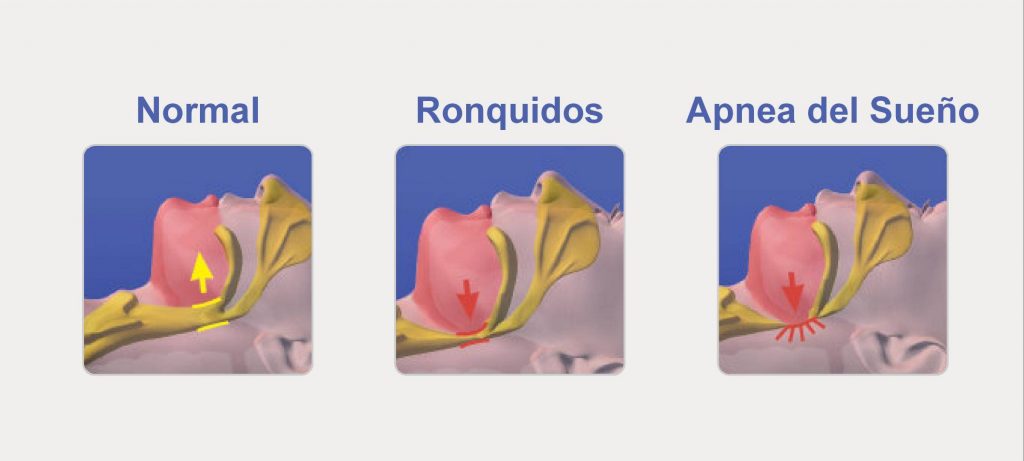
Sleep apnoea (or obstructive sleep apnoea,OSA) is a condition that occurs when the airways become partially or completely blocked whilst we sleep. This condition causes repeated brief pauses in breathing, known as apnoeic episodes, which can last between 10 and 30 seconds and occur dozens or even hundreds of times during the night.
This condition is usually caused by:
- The tongue and jaw collapse backwards.
- Excessive relaxation of the throat tissues.
- Anatomical obstruction of the upper airways.
- Alcohol consumption can make sleep apnoea worse by relaxing the throat muscles, making it easier for the airways to become blocked during sleep.
The result is fragmented sleep and poor oxygenation, which affect the quality of rest, general health and oral health. Furthermore, orthodontic treatment can optimise the position of the oral structures to permanently improve airflow.
The most common symptoms of sleep apnoea
Many people are unaware that sleep apnoea is directly linked to symptoms that appear in the mouth, jaw and teeth.
The most common symptoms are:
- Loud, constant snoring.
- Waking up with a dry mouth or jaw pain.
- Bruxism or tooth wear.
- Difficulty breathing whilst sleeping.
- A headache upon waking.
- Fatigue and daytime sleepiness.
- Neck, facial or eye pain.
- A feeling of not having had a proper rest.
In addition, people with sleep apnoea often wake up feeling as though they are suffocating and may experience mood swings and difficulty concentrating during the day.
In many cases, it is the dentist who first detects clear signs of the problem during a thorough dental check-up, enabling a personalised assessment of the patient and facilitating appropriate follow-up of the treatment.
What is the link between sleep apnoea and the mouth?
Night-time breathing is directly linked to dental and jaw function. The size of the space in the mouth and the airway is crucial, as a narrow space can contribute to the development of sleep apnoea and snoring by obstructing the flow of air during sleep. When sleep apnoea occurs, the oral tissues are under strain, which can cause or exacerbate:
Bruxism
Teeth grinding is a mechanical response by the body in an attempt to open the airways. This causes:
- tooth wear,
- fractures,
- sensitivity,
- jaw and neck pain.
Dry mouth and tooth decay
Mouth breathing reduces saliva production, increasing the risk of:
- tooth decay,
- gum inflammation,
- bad breath,
- gum recession.
Jaw pain and TMJ problems
Nocturnal jaw tension is closely associated with:
- pain in the facial muscles,
- cracking and popping sounds in the TMJ,
- neck stiffness,
- headaches and migraines.
For all these reasons, a dental assessment is an essential part of the treatment of sleep apnoea and forms part of a preventive dentistry strategy for a healthy smile.
Diagnosis of sleep apnoea
The diagnostic process for dental treatment of sleep apnoea begins with an initial assessment carried out by a dentist, who gathers clear and accurate information about the patient’s symptoms. This process includes an examination of the jaw, an assessment of the upper airway, an evaluation of snoring and mouth breathing, as well as an assessment of occlusion and bruxism.
In many cases, a diagnostic test such as polysomnography or nocturnal respiratory polygraphy is required; this measures airflow, apnoeas and blood oxygen levels. Nocturnal respiratory polygraphy can be carried out at home using a device that records airflow and oxygen levels, or in a sleep unit where a more comprehensive polysomnography is performed. It is essential that the diagnosis of sleep apnoea is made by a medical specialist in sleep medicine, who can interpret the test results and recommend the appropriate treatment.
Where necessary, a multidisciplinary approach is adopted in collaboration with specialists in sleep medicine and respiratory medicine to arrive at a comprehensive diagnosis.
Dental treatment for sleep apnoea
A significant part of the treatment is carried out within the dental field. Dental treatment for obstructive sleep apnoea focuses primarily on intraoral devices, such as the mandibular advancement device (MAD), a custom-made appliance worn in the mouth at night. These devices, also known as MADs or mandibular advancement devices, work by gently moving the jaw and tongue forward, helping to keep the airways open and preventing the collapse that causes sleep apnoea. Using these devices can bring benefits to general health, such as reduced daytime sleepiness and improvements in cognitive function. Furthermore, oral devices are small, require no electricity, make no noise and are easy to carry when travelling. It is important to highlight the transparency of pricing and the customisation of quotes, tailored to the needs of each patient.
The most commonly used treatments are:
Mandibular advancement devices
They keep the jaw in a forward position during sleep to prevent the tissues from collapsing. They improve:
- the airflow,
- snoring,
- breathing during the night,
- mild and moderate sleep apnoea.
They are the most comfortable and effective alternative for those who cannot tolerate CPAP.
Custom-made splints
Recommended for cases of bruxism, TMJ disorder or associated jaw tension; we offer a comprehensive treatment programme for bruxism and TMJ disorders. They enable:
- protect your teeth,
- reduce muscle tension,
- to improve jaw function.
Surgery or functional correction
In certain cases, it may be necessary to correct:
- malocclusions of the lower jaw,
- anatomical obstructions,
- bone or respiratory problems.
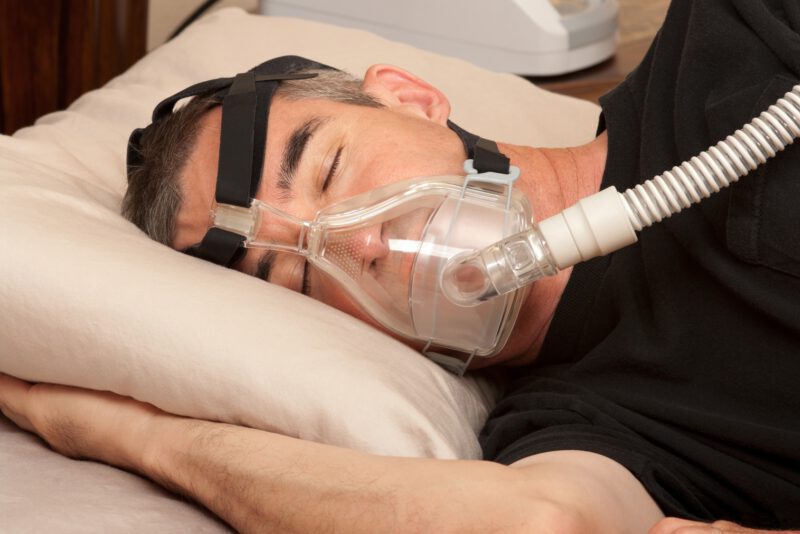
Is CPAP always necessary?
CPAP remains the standard treatment for severe cases, but not all patients tolerate it. For mild and moderate sleep apnoea, and in many cases of chronic snoring, dental treatment using intraoral devices offers highly effective results and better compliance.
What happens if sleep apnoea is left untreated?
Poor sleep isn’t just about feeling tired. Sleep apnoea has serious health consequences:
- high blood pressure,
- cardiovascular diseases,
- diabetes,
- muscle and neck pain,
- severe tooth wear,
- mood swings and memory problems.
The right treatment improves sleep, general health and oral health.
When should you visit Udemax Clinics?
It is advisable to do so if:
- frequently hoarse,
- you wake up with a dry mouth or pain in your jaw,
- feels tired despite having slept,
- do you suffer from bruxism or tooth wear,
- do you suffer from frequent headaches or migraines,
- you suspect you have sleep apnoea or have been told you do.
At Clínicas Udemax, based in Palma, we take a holistic approach to treating sleep apnoea, combining dental diagnosis, prevention and specific treatments to improve breathing, jaw function and quality of life. We are happy to assist you in contacting Clínicas Udemax to book an appointment or ask any questions. In today’s world, it is essential to treat sleep apnoea, and solutions are available worldwide for those seeking to improve their health and well-being.
Conclusion
Sleep apnoea is a respiratory condition that also affects oral and dental health. It doesn’t just cause snoring or a lack of rest: it can lead to tooth wear, bruxism, neck pain and gum disease.
That is why dental treatment plays a vital role. At Udemax Clinics, we help you identify the cause and find the most appropriate solution for each individual case.
A good night’s sleep is key to good health. And your mouth plays a part in that.