Odontophobia: how to overcome a fear of the dentist in adults and children
En este artículo
- Your oral health shouldn’t be something to be afraid of. Find out how to overcome dental anxiety with professional help.
- What is dental phobia and what causes it?
- What are the consequences of avoiding the dentist?
- Solutions for adults: techniques for overcoming a fear of the dentist
- What about children? Dental anxiety in children: how to help the little ones
- How to take the first step
- Are you afraid of the dentist? You’re not alone!
Your oral health shouldn’t be something to be afraid of. Find out how to overcome dental anxiety with professional help.
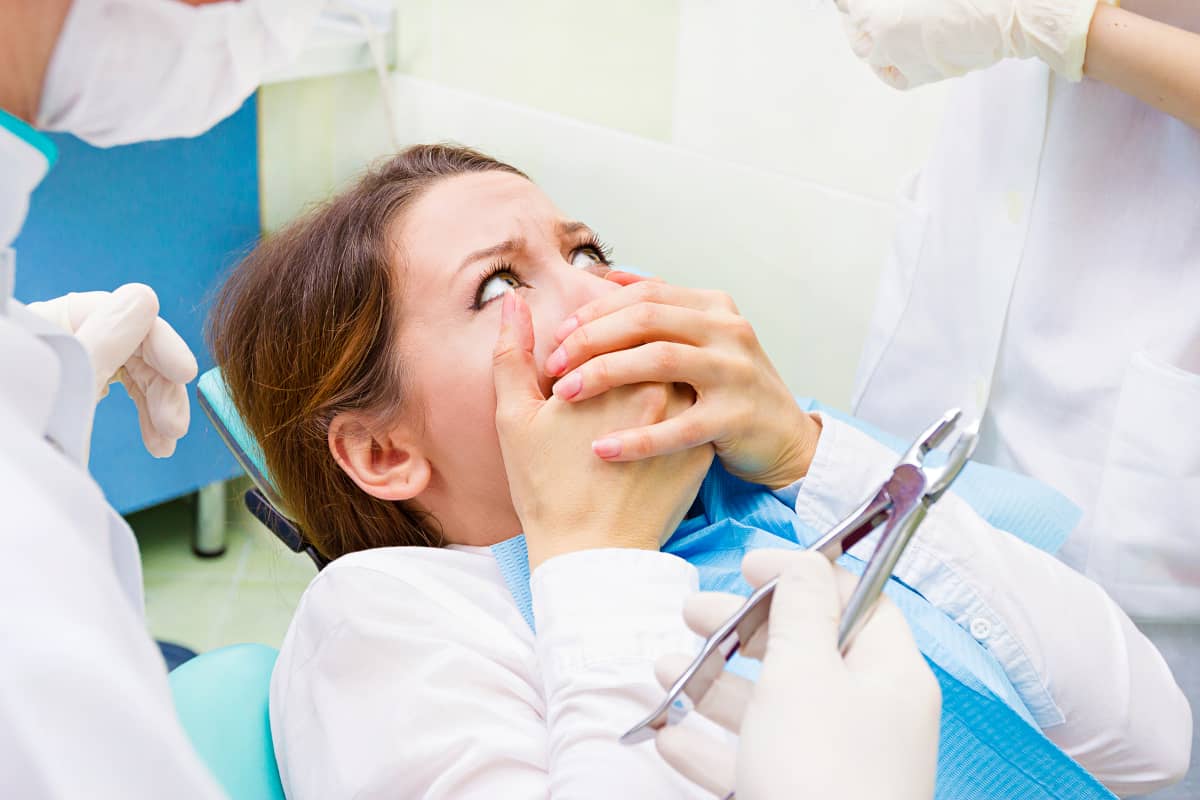
Dental phobia, also known as a fear of the dentist, is an anxiety disorder that affects a significant number of people worldwide. This extreme fear can have a significant impact on daily life, as over 75% of adults experience some form of dental anxiety and up to 10% suffer from dentophobia; furthermore, 41% of the population in Spain feel panic at the thought of visiting the dentist, which can have serious consequences for oral and general health if dental treatment is avoided. Dental phobia is an extreme, persistent and irrational fear of visiting the dentist or undergoing dental treatment, and can manifest itself through physical symptoms such as sweating, a racing heart, trembling and a feeling of suffocation, as well as extreme anxiety, panic attacks, insomnia and crying at the thought of visiting the dentist. Avoiding the dentist because of this fear can lead to oral and general health complications and illnesses, negatively affecting the patient’s quality of life. In this article, as well as explaining what dentophobia is, why it occurs and what its consequences are, we will give you advice on how to overcome your fear, including professional help, effective techniques and conscious sedation.
What is dental phobia and what causes it?
Dentophobia is a specific anxiety disorder characterised by an intense and irrational fear of the dentist or dental treatment. Although it may manifest itself in mild forms, such as nervousness before an appointment, in many cases it causes debilitating anxiety that leads people to avoid dental appointments altogether.
Symptoms of dentophobia can often appear days before an appointment or whilst at the clinic, and include physical and emotional reactions such as sweating, palpitations, trembling and feelings of panic. Furthermore, behavioural symptoms may be observed when the person avoids or postpones check-ups and repeatedly cancels appointments.
Among the most common causes of dental phobia are past negative experiences, particularly during childhood, concerns about oral health, and the fear of receiving bad news about the condition of one’s teeth. The sounds made by dental instruments can also be a significant trigger for anxiety and worry.
There are different types of fear and phobia of the dentist, which vary in intensity and in the way they affect each patient.
Cognitive behavioural therapy (CBT) and exposure therapy are effective treatments for addressing dental phobia, helping to change negative thought patterns and gradually confront feared situations in a controlled environment.
Main causes of dental phobia:
- Past traumatic experiences involving painful treatments or mistreatment.
- Fear of losing control during the procedure.
- Sensitivity to pain or fear of experiencing discomfort.
- Dental instruments and sounds, such as the turbine or the suction unit.
- Psychological factors: social anxiety, negative anticipation or medical phobias.
What are the consequences of avoiding the dentist?
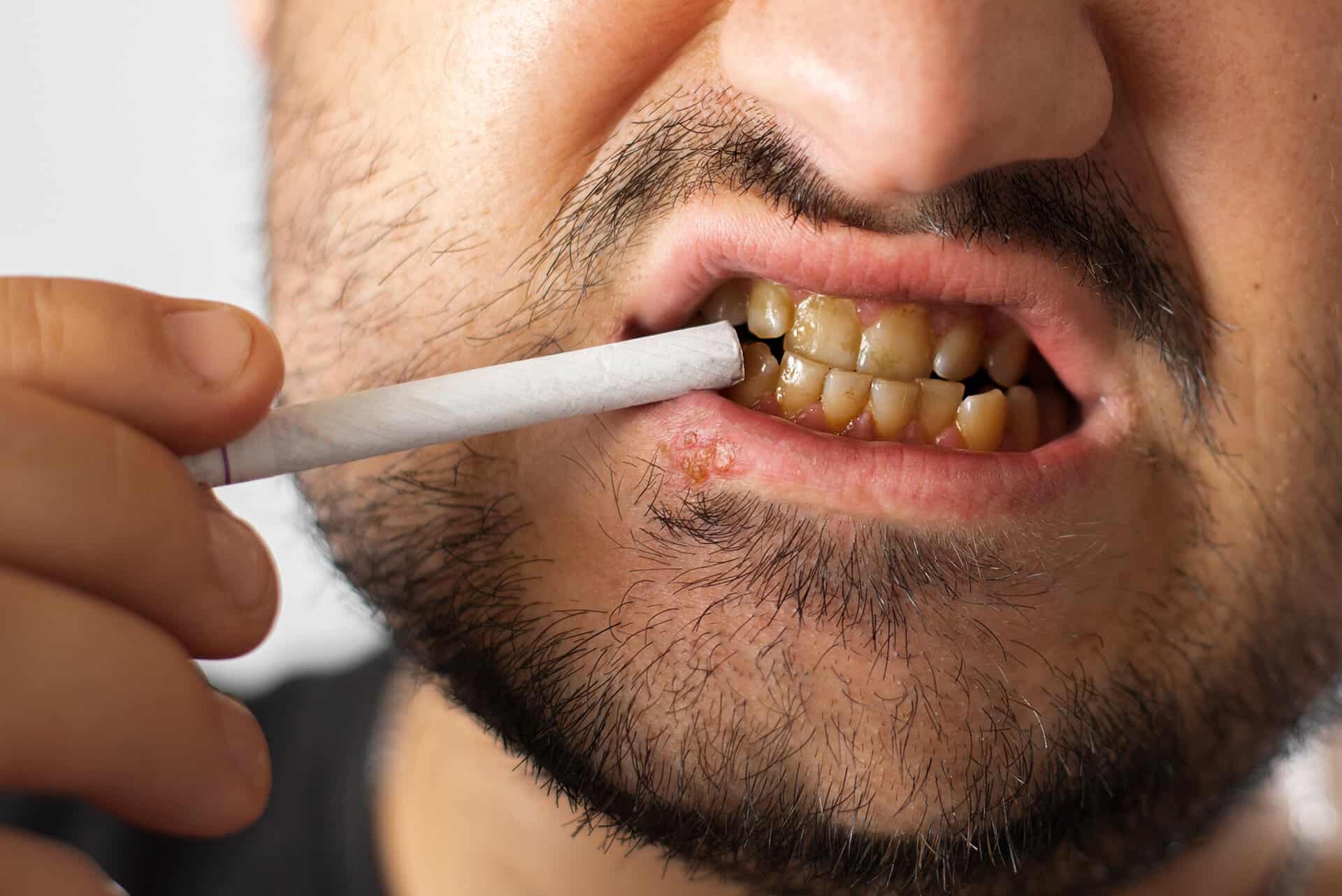
Putting off or avoiding visits to the dentist not only makes the initial problem worse, but can also lead to new conditions, complications and diseases, both oral and general. A lack of care and regular check-ups increases the risk of developing gum disease, tooth decay, infections and other complications that can affect general health. For example, periodontal infections can exacerbate cardiovascular conditions and diabetes, demonstrating that oral health is closely linked to the body’s overall well-being. It is therefore essential to maintain good dental care and attend check-ups to prevent complications and protect your overall health.
Build-up of plaque and tartar
Even with good oral hygiene, plaque builds up and can lead to tooth decay, gingivitis or periodontitis, which in turn can result in tooth loss and deterioration of the jawbone.
Misalignment and bruxism
A lack of regular dental check-ups can lead to the development of malocclusions, difficulties with chewing and conditions such as bruxism (teeth grinding), causing tooth wear, jaw pain and headaches.
Increasing fear and progressive deterioration
The longer you go without seeing the dentist, the more your fear grows, and the more complicated and expensive the necessary treatments become.
Solutions for adults: techniques for overcoming a fear of the dentist
1. Talk about your fears
Talk openly with your dentist. An empathetic professional will tailor the treatment to your needs and support you every step of the way so that you feel confident.
2. Book an initial consultation without any intervention
You can start with an assessment visit without any treatment, simply to meet the team, get to know the surroundings and explain your needs. This significantly reduces anxiety.
3. Practise relaxation techniques
Deep breathing, meditation or positive visualisation before and during the appointment can help you stay calm.
4. Use distractions
Listening to music through headphones, focusing on a spot on the ceiling, or looking at a screen can help distract you during treatment.
5. Consider conscious sedation
It is a safe and effective option for procedures that cause anxiety. During conscious sedation, the patient remains in a calm and relaxed state, whilst retaining consciousness and the ability to respond to stimuli, which makes dental treatment easier for those with dental phobia. This method may involve the use of drugs and medication administered under professional supervision to reduce anxiety and improve the patient’s experience. However, there are certain restrictions that may limit some patients’ eligibility for conscious sedation. It allows you to remain awake but deeply relaxed, without losing the ability to communicate.
6. Seek emotional support
Talk to people you trust or join communities where others share how they overcame their fear. Having a trusted friend or family member with you can provide extra emotional support during your visit to the dentist. You’re not alone.
What about children? Dental anxiety in children: how to help the little ones
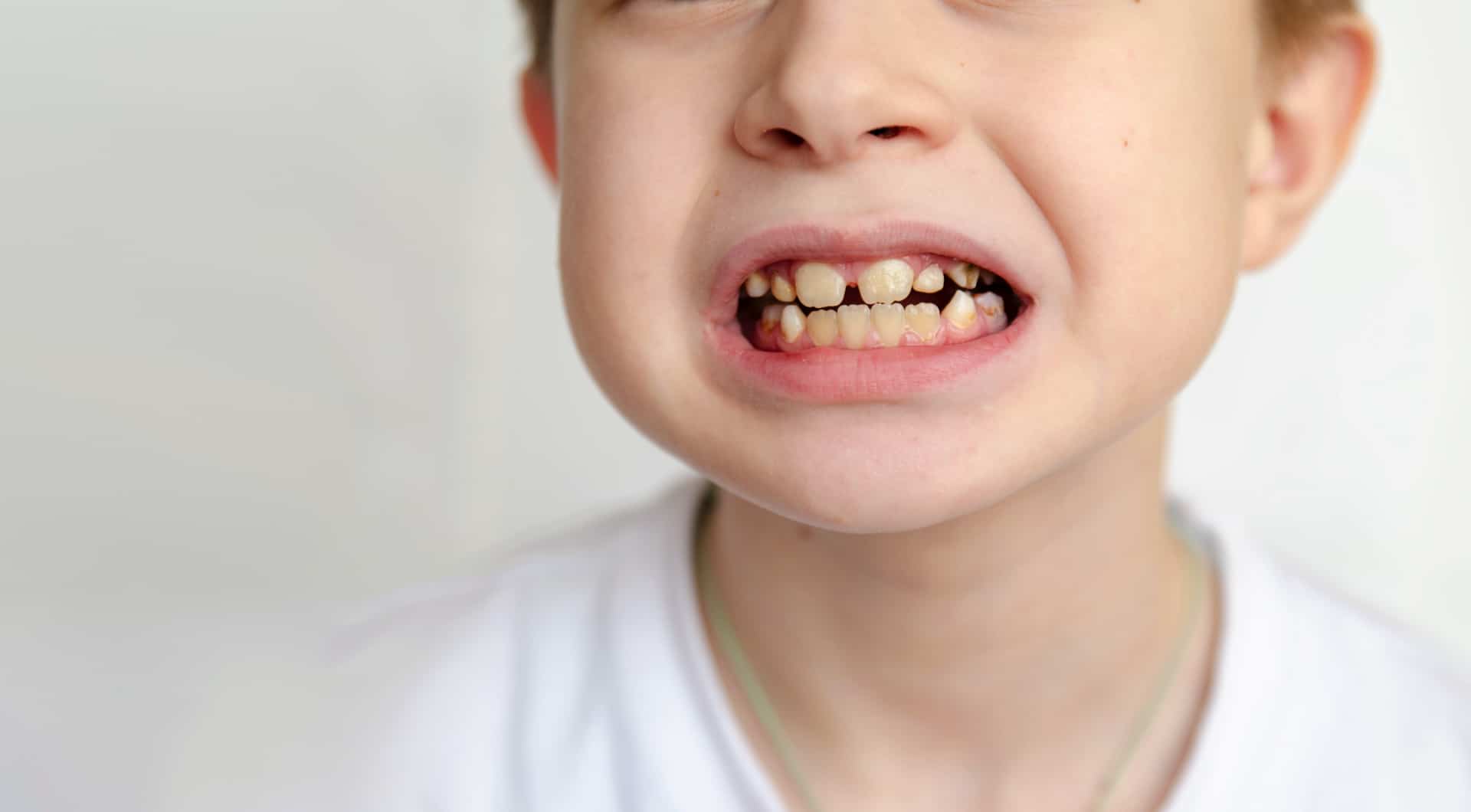
Fear of the dentist also affects many children, especially during their first visits. Although paediatric dentists usually use playful, age-appropriate techniques, there are cases where anxiety prevents treatment from going ahead.
In more complex cases, specialist clinics such as Emardental, Arcdental and Udemax use conscious sedation techniques for children and, in specific cases, conscious anaesthesia.
Conscious sedation for children
- It is administered via a nasal mask containing nitrous oxide and oxygen.
- It has a relaxing and pleasant effect.
- The child remains awake but calm.
- You can choose from a range of pleasant flavours (strawberry, vanilla, bubblegum, etc.).
- It is safe, even for pregnant women.
Conscious sedation
Recommended for children with severe phobias, it enables treatment to be carried out without pain or unpleasant memories, ensuring the success of the procedure and the patient’s peace of mind.
How to take the first step
It is possible to overcome dental anxiety. With the right information, a preliminary consultation at the clinic and professional support, you can regain your confidence and maintain optimal oral health and care.
At our dental clinics, you will find:
- Personalised care for patients experiencing fear or anxiety.
- Minimally invasive treatments.
- Conscious sedation tailored to each individual case.
- Advanced technology that reduces discomfort.
- A team that understands how you feel and is there for you.
Are you afraid of the dentist? You’re not alone!
Book your first no-obligation appointment and discover how to look after your smile without any anxiety. Or pop into one of our Udemax clinics and start your journey towards fear-free oral health.