
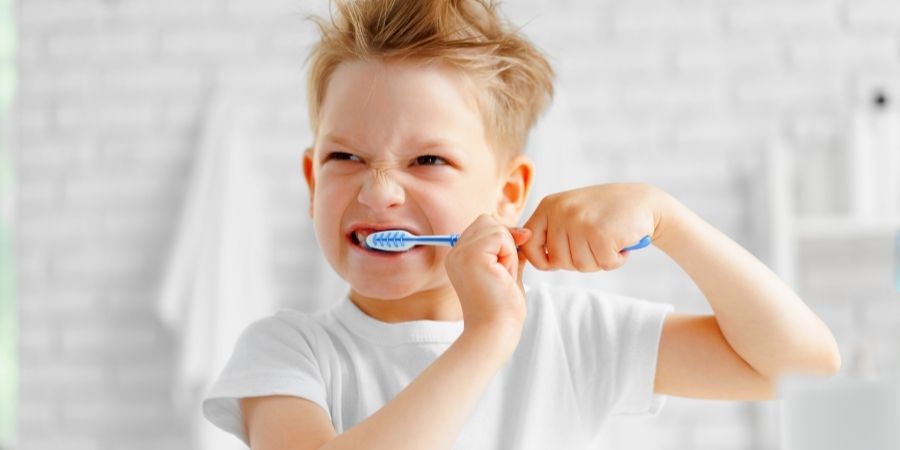
Tooth sensitivity in children
Tooth sensitivity is a common problem in children that can cause pain and discomfort when eating and drinking.

What type of toothbrush should children use?
Oral health in children is a fundamental habit in the prevention of tooth decay, gum disease and other ailments.
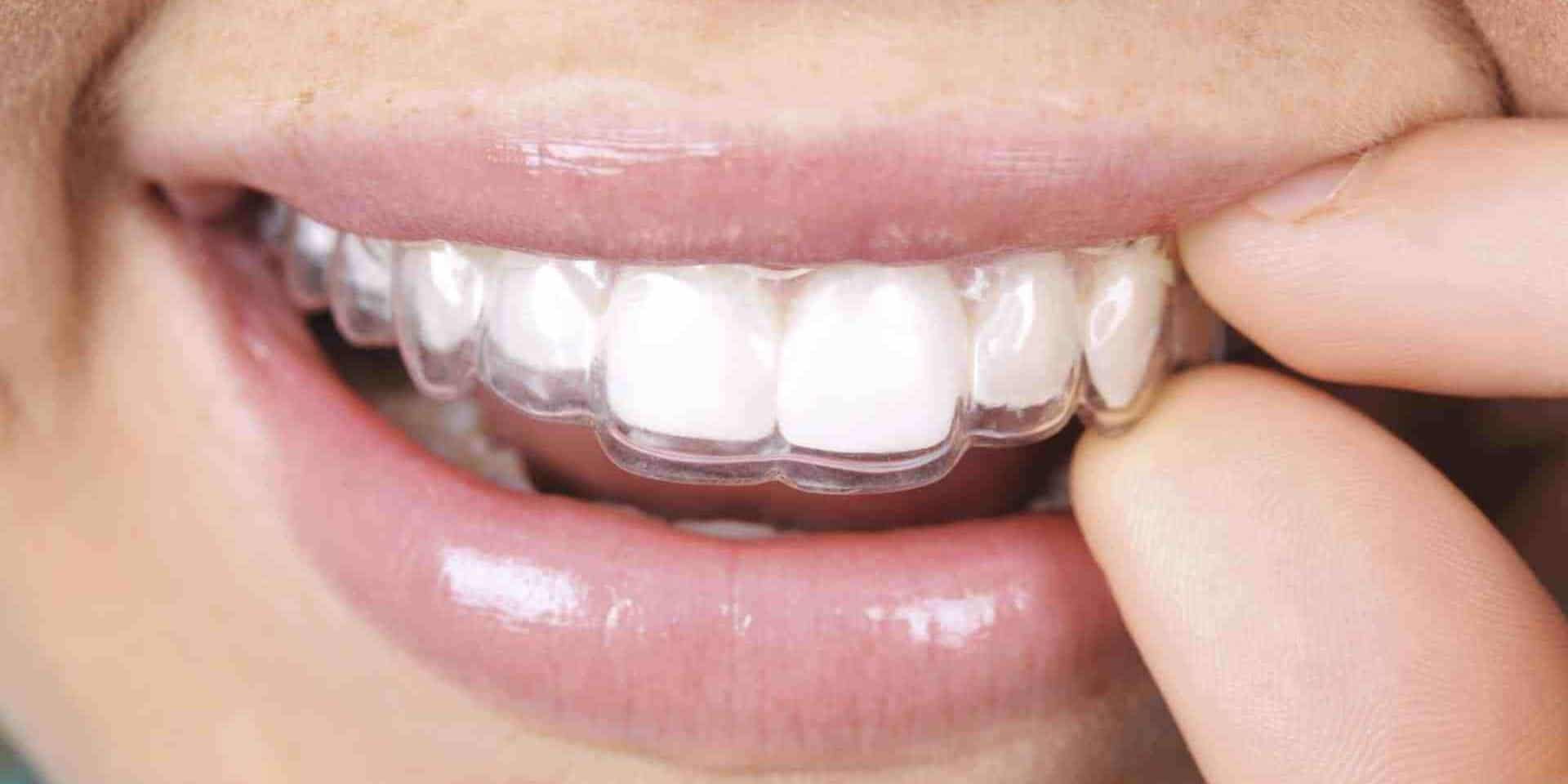
Tips on how to care for your retainers
The use of retainers is a crucial stage of treatment regardless of the type of dental appliance used. Orthodontic treatment does not end on the day the appliance is removed. One of the essential phases of successful treatment is retention. The

What bruxism is and how to treat it
Bruxism, a common disorder that can have serious consequences for dental health and requires specialised treatment. Bruxism is a disorder characterised by teeth grinding during sleep. Although it is a common disorder, it often goes unnoticed by patients as the symptoms
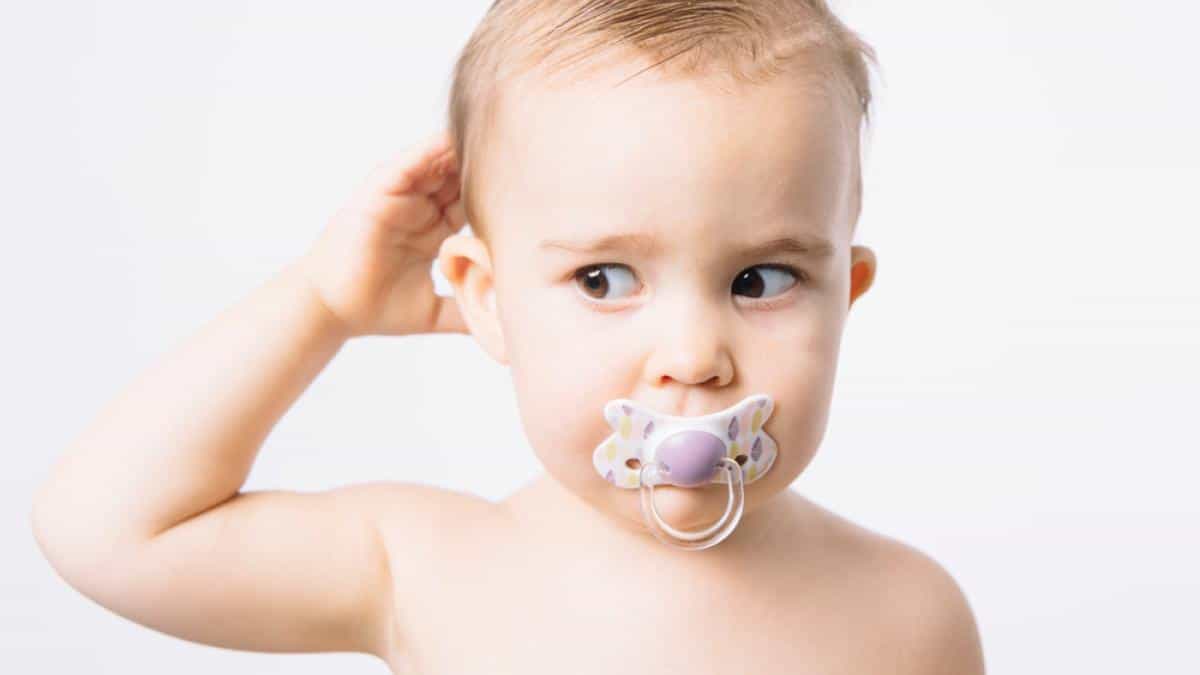
5 tips for choosing the right soother for your baby
Soothers are a very useful tool to help calm and soothe babies, especially during the night. However, it is important to choose the right soother to ensure the health and proper development of your baby's mouth. And thus avoid deformed

Sensitive teeth during pregnancy
Pregnancy can be a difficult time for women. Your body is undergoing major changes and, of course, so are your mouth and teeth. Taking care of your teeth during pregnancy is essential. During the nine months, many women experience tooth
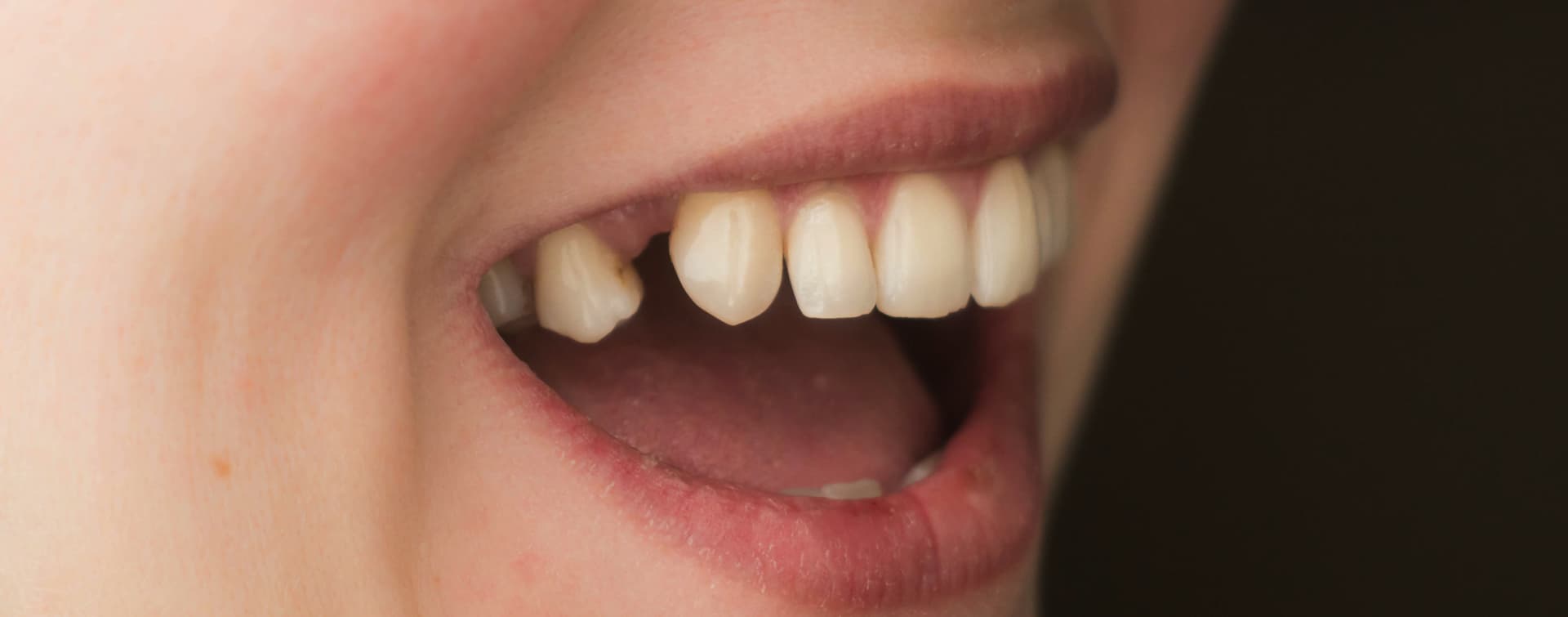
Childhood dental agenesis – should you be concerned?
Dental agenesis is a pathology that causes the permanent lack of teeth. However, this should not be a cause for concern as it is possible to recover a perfect smile.

How does bruxism work in children?
Infantile bruxism can occur from the time a child is a baby, and subsides when they reach the age of teething.

Prepare your child for their visit to the dentist
Here is a list of positive and negative habits to prepare children for a visit to the dentist. Keys to ensure that your child goes to the paediatric dentist in a climate of trust.
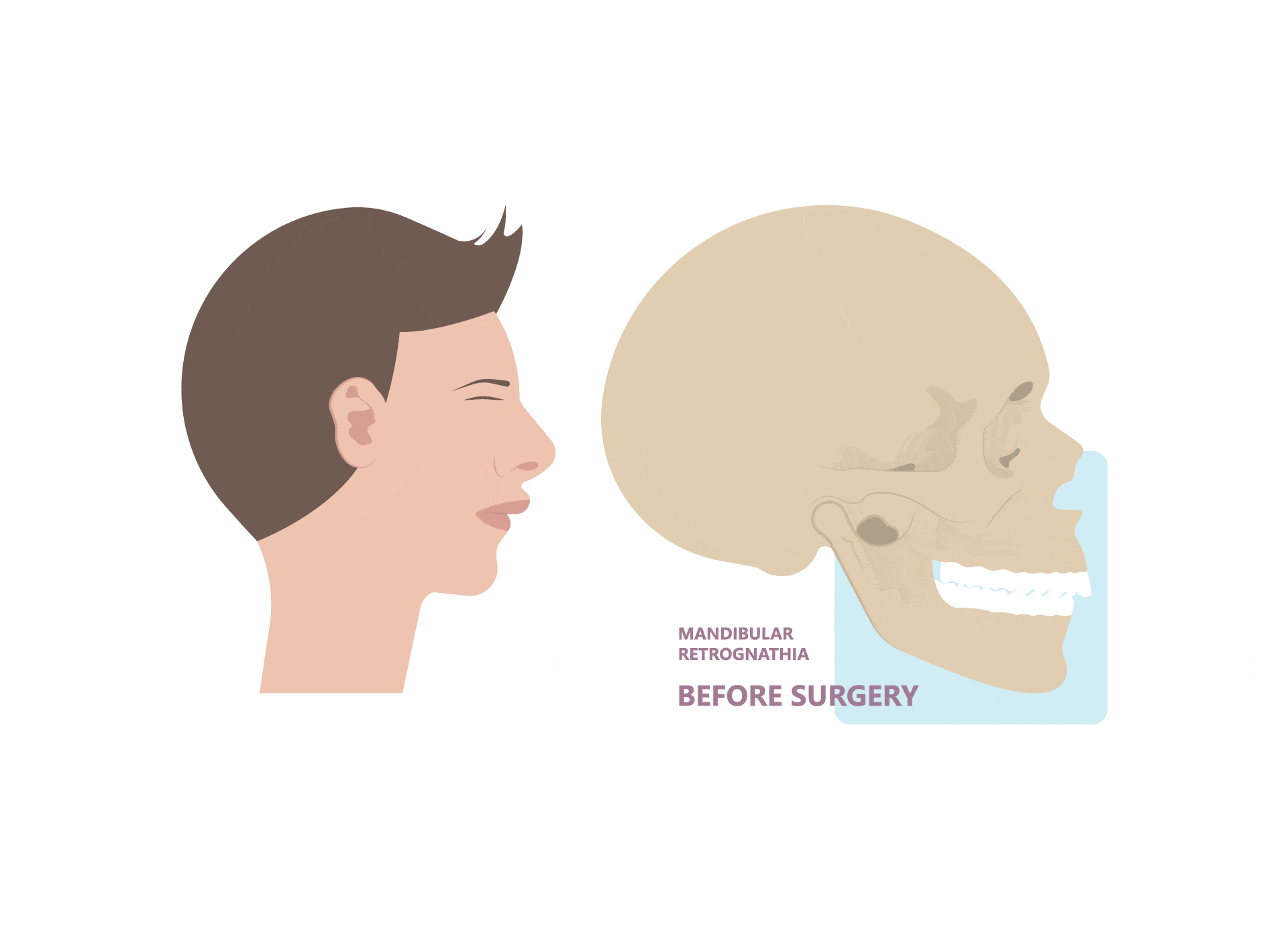
Retrognathism of the lower jaw or retracted mandible
Whether due to prognathism or retrognathism, some children need help with treatments such as interceptive orthodontics to ensure correct jaw formation.