Breastfeeding, teeth and tooth decay: a practical guide for mothers in Mallorca

En este artículo
- The essential points
- Breastfeeding, oral health and the context in Mallorca
- The benefits of breastfeeding for the baby (beyond just teeth)
- Breastfeeding and oral development: the jaw, tongue and bite
- Does breast milk cause tooth decay? What the evidence says
- Prolonged breastfeeding, night-time feeds and the risk of tooth decay in babies
- Oral hygiene from the very first tooth: how to look after a breastfeeding baby’s teeth
- First visit to the paediatric dentist and follow-up appointments at Udemax Clinics
- Practical advice for breastfeeding mums who want to prevent tooth decay
- Frequently asked questions about breastfeeding, teeth and tooth decay
The essential points
- Breast milk alone does not cause cavities. It is the combination of nighttime feedings without proper oral hygiene, sugar in the diet, and bacterial plaque that increases a baby’s risk of cavities.
- Breastfeeding promotes the development of the jaw, palate, and bite, reducing the risk of malocclusions by up to 50% compared to prolonged bottle feeding.
- Oral hygiene should begin before teeth appear, by cleaning the gums with a damp gauze pad starting in the first days of life.
- Weaning is not recommended to treat or prevent cavities. The focus should be on hygiene, diet, and risk factors, while continuing breastfeeding if the mother wishes.
- The first dental checkup should take place before the child turns one, or within 6 months of the first tooth erupting.
Breastfeeding, oral health and the context in Mallorca
Exclusive breastfeeding is recommended by the World Health Organisation (WHO) and UNICEF for the first 6 months of life, and may continue until the age of 2 or beyond, depending on the wishes of the mother and child. Many families in Palma de Mallorca come to Arcdental, our children’s dental clinic, with a recurring question: can breast milk or prolonged breastfeeding cause tooth decay? The controversy leads to unnecessary guilt among mothers. This article addresses common concerns with scientific references, explains the true risk of tooth decay and offers simple preventive measures from the moment the first tooth appears. Breastfeeding can be challenging, and it is important to seek professional support from both your paediatrician and your dentist.
The benefits of breastfeeding for the baby (beyond just teeth)
Breastfeeding is considered the best form of nutrition for most infants. Breast milk provides unrivalled nutrition for newborns: it contains the exact proportions of nutrients required for a child’s development and adapts to the baby’s nutritional needs as they grow. Furthermore, it contains antibodies that protect the baby from respiratory and gastrointestinal infections, and strengthens their immune system, thereby reducing the risk of chronic diseases in the future. According to the Spanish Paediatric Association, breastfeeding is associated with better cognitive development in babies, helps prevent sudden infant death syndrome and reduces the risk of obesity and diabetes in children.
It is important to start breastfeeding within the first hour after birth: skin-to-skin contact helps breastfeeding to get off to a good start. The first few weeks are crucial for establishing a good milk supply, and feeding on demand allows the baby to feed as and when needed. Wet nappies are a simple indicator that the baby is feeding well. The duration of breastfeeding depends on the well-being of both the baby and the mother.
As for the benefits to mothers, breastfeeding promotes the mother’s emotional well-being, strengthens the emotional bond between mother and child, reduces the risk of breast and ovarian cancer, helps mothers return to their pre-pregnancy weight, encourages a quicker postnatal recovery and helps burn extra calories. Exclusive breastfeeding can even act as a method of contraception under certain conditions. Unlike cow’s milk or other formulae, breast milk dynamically adapts to each stage of the baby’s growth.
Breastfeeding and oral development: the jaw, tongue and bite
The way a baby suckles at the breast not only provides them with nourishment: it also shapes their mouth. Breastfeeding improves a baby’s oral development because suckling at the breast requires active jaw movement and encourages the tongue to be positioned correctly against the palate. This pattern promotes the correct shape of the palate, encourages proper swallowing and nasal breathing. In fact, breastfeeding reduces the risk of malocclusions by 50 per cent compared with prolonged use of a bottle or dummy, according to studies compiled by the Spanish Society of Paediatric Dentistry.
A good latch is essential to prevent complications during breastfeeding, both for the mother (nipple pain, cracked nipples) and for the baby’s proper orofacial development. It is advisable to avoid dummies and bottles in the first few weeks to establish breastfeeding without interfering with the position of the tongue. At Udemax Clinics, paediatric dentistry specialists take the breastfeeding history into account when assessing bite problems or atypical swallowing in children in Mallorca.
Does breast milk cause tooth decay? What the evidence says
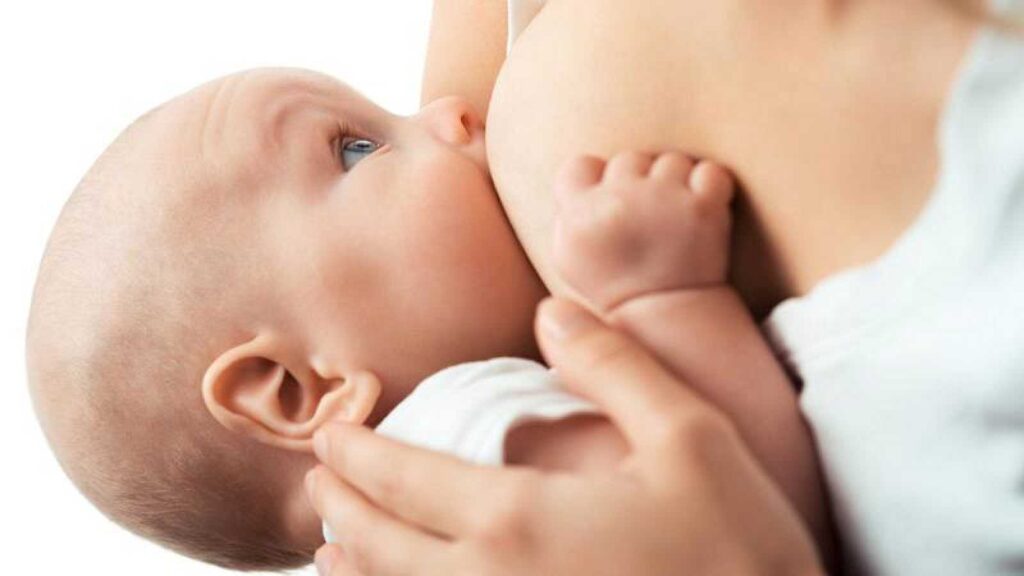
This question causes a great deal of guilt amongst mothers, but the evidence is clear: breast milk does not cause tooth decay on its own. Tooth decay is a multifactorial disease that requires cariogenic bacteria, fermentable sugar, exposure time and tooth susceptibility. The lactose in breast milk does not lower the pH of the mouth in the same way as other sugars, and breast milk contains antibodies that prevent tooth decay. However, poor dental hygiene increases the risk of tooth decay in infants, particularly when frequent feeds are combined with fruit juices, sugary bottles, sticky snacks and a lack of brushing. Every baby has an individual risk of tooth decay, influenced by family history, hygiene habits, diet and feeding frequency. The American Academy of Paediatrics, the AEP’s Breastfeeding Committee and the WHO agree that the relationship between breastfeeding and tooth decay depends on the context, not on the act of breastfeeding itself.
Prolonged breastfeeding, night-time feeds and the risk of tooth decay in babies
Extended breastfeeding – beyond 12–24 months – is endorsed by the WHO and leading scientific societies for its many benefits. However, a 2025 meta-analysis found that prolonged breastfeeding may increase the risk of tooth decay, with a relative risk of 2.44 for breastfeeding lasting longer than 24 months. Night-time breastfeeding without proper oral hygiene increases the risk of tooth decay because, during the night, saliva flow decreases, milk remains in contact with the teeth for longer, and bacterial plaque is not removed.
At Udemax Clinics, we do not recommend weaning as a ‘treatment’ for tooth decay. We focus first on oral hygiene, diet, fluoride application and sealants where indicated. The decision on how long to continue breastfeeding is made by the mother and baby: the dentist’s role is to adapt the preventive plan to the breastfeeding pattern, not to impose weaning. Practical tips for families in Mallorca include: cleaning teeth after the last night-time feed, avoiding sugary drinks in the early hours of the morning, and checking that there is no sticky food in the mouth before bedtime.
Oral hygiene from the very first tooth: how to look after a breastfeeding baby’s teeth
Preventing tooth decay in breastfed babies begins before their teeth come through. Oral hygiene should start before teeth appear: wiping the gums with a damp piece of muslin is recommended from the very start. When the first tooth appears (around 6 months, although this can vary between 4 and 12 months), switch to a soft children’s toothbrush with a ‘grain of rice’-sized amount of 1000 ppm fluoride toothpaste. Teeth should be cleaned immediately after feeding, especially after the last feed before bedtime. Parents and carers should also look after their own oral health: treating active tooth decay reduces the bacterial load passed on to the child through shared utensils or kissing.
| Age | What to use for cleaning | Toothpaste | Amount | Frequency |
|---|---|---|---|---|
| 0–6 months (no teeth) |
Moist gauze or silicone finger sleeve | No | — | Once a day |
| 6–12 months : first incisors |
Children’s toothbrush with a small head and soft bristles | Fluoride 1,000 ppm | A grain of rice | Twice a day, once after the last night-time feed |
| 1–3 years | Children’s toothbrush (brushed by an adult) | Fluoride 1,000 ppm | A grain of rice | Twice a day |
| 3–6 years | Children’s toothbrush (child starts, adult finishes off) | Fluoride 1,000 – 1,450 ppm | The size of a pea | Twice a day |
Guidelines based on the recommendations of the Spanish Society of Paediatric Dentistry. The amount of fluoride may vary if your child is at high risk of tooth decay: please discuss this at your check-up.
First visit to the paediatric dentist and follow-up appointments at Udemax Clinics
Taking your baby to a paediatric dentist before their first birthday is crucial. The Spanish Society of Paediatric Dentistry recommends the first visit around the time of their first birthday, or within six months of the first tooth erupting. At Udemax Clinics, this first check-up is free of charge and includes a gentle examination of your baby’s teeth, an assessment of their individual risk of tooth decay, a review of their feeding habits, and hygiene advice tailored to your baby. This forms the basis of our approach to paediatric dentistry: prevention rather than treatment.
We pay particular attention to breastfed babies. We ask about night-time feeds, the use of bottles and dummies, and the introduction of complementary foods, as these are the factors that have the greatest impact on the risk of tooth decay at this age. If we detect early signs of tooth decay — white or dark spots on the upper incisors — we will explain the treatment options for childhood tooth decay that are suitable for the child’s age and do not require you to stop breastfeeding.
From then on, check-ups are annual. And when your child turns 6, they will be eligible for PADI, Ib-Salut’s free children’s dental care programme for children aged 6 to 15 in the Balearic Islands: it covers the annual check-up and preventive and restorative treatments for permanent teeth. You can enrol from 1 January of the year in which your child turns 6, even if they have not yet reached that age. Reaching that age with a history of check-ups since the age of one is the best way to ensure they can benefit from the programme without any accumulated tooth decay.
Practical advice for breastfeeding mums who want to prevent tooth decay
These tips are intended for mothers who breastfeed on demand, including night-time feeds and, in many cases, extended breastfeeding:
- Baby’s diet: limit juices, sugary biscuits and sticky snacks between feeds; opt for fresh fruit and water.
- Brushing routine: link brushing to bath time or the bedtime story; the mother should also brush her teeth in front of the baby so that the baby can copy her.
- Night-time feeds: if your baby breastfeeds at night, try to clean their teeth before they fall asleep for the first time and avoid giving them sugary bottles.
- Regular check-ups: visiting Udemax Clinics allows us to adapt our recommendations as your baby’s habits change (starting nursery, changes to their diet, partial weaning).
- Maternal care: treating your own tooth decay and improving your oral hygiene reduces the risk to your baby.
The aim is to retain all the benefits of breast milk whilst minimising the risk of tooth decay as much as possible through simple hygiene and feeding routines.
We'll evaluate your case at no cost at any of our three clinics in Palma
Schedule your first free consultationFrequently asked questions about breastfeeding, teeth and tooth decay
Should I stop breastfeeding when my baby’s first teeth come through?
It isn’t necessary. A baby who is properly latched on to the breast won’t bite, because their tongue covers their lower teeth whilst suckling. If they do bite on occasion, gently remove your breast, tell them it hurts and offer them a teether to soothe their teething. Most babies stop biting once they learn the difference between sucking and biting. This phase is temporary and is no reason to stop breastfeeding.
Does night-time breastfeeding always cause tooth decay?
Not always. Night-time feeding can increase the risk when combined with poor oral hygiene and other factors such as bottles of juice or sugary cereals before bedtime. A useful step-by-step approach: clean your baby’s teeth before putting them to bed, concentrate feeds in the first half of the night and avoid sugary bottles. To assess your baby’s individual risk, consult the professionals at Clínicas Udemax.
Does breast milk protect against tooth decay or increase the risk?
Breast milk contains immune factors that help defend against bacteria, but this is no substitute for good dental hygiene. In the absence of added sugars and with proper brushing, breastfeeding does not increase the risk of tooth decay and may, overall, be beneficial for the baby’s oral health. The main problem is the combination of sugar, unremoved bacterial plaque and duration of exposure, not the milk itself. Studies such as the review published in 2026 show an overall protective effect (OR ~0.71).
When should I be concerned about stains on my baby’s teeth?
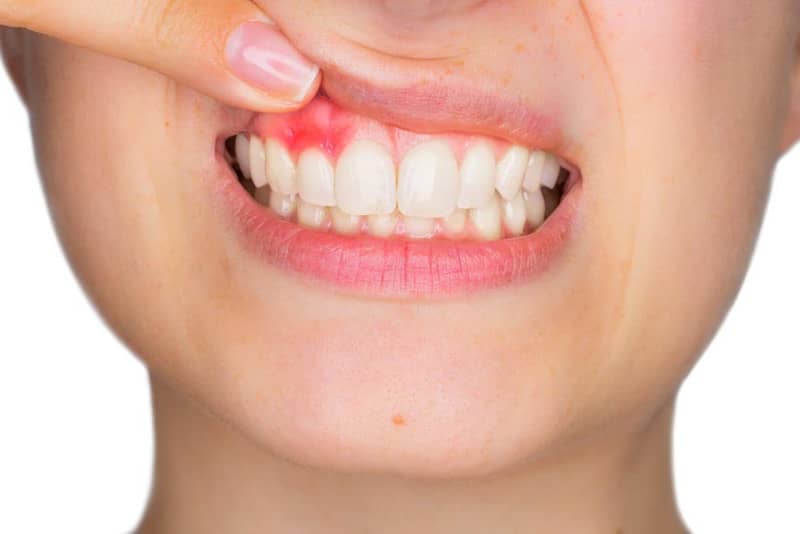
The first signs of tooth decay are usually dull, whitish spots near the gumline or small brown patches on the upper incisors. As soon as you notice any changes in colour, chipping or sensitivity when brushing, take your baby for a check-up without waiting for them to experience pain. The sooner action is taken, the easier it is to stop tooth decay with minimally invasive treatments without interrupting breastfeeding. In Mallorca, a recent study showed that 40 per cent of children aged 5–6 already had tooth decay in their milk teeth, which underlines the importance of early prevention.
Can I go to the dentist and have my tooth decay treated whilst I’m breastfeeding?
Yes. Most dental treatments (clean-ups, fillings, root canal treatments, simple extractions) and common medicines (local anaesthetic with lidocaine, ibuprofen, amoxicillin) are compatible with breastfeeding. Always tell your dentist that you are breastfeeding so that the safest medicines can be chosen, but it is not usually necessary to stop breastfeeding or discard your milk. Treating your tooth decay reduces the bacterial load within the family and, therefore, also lowers your baby’s risk of tooth decay.