Gum problems: symptoms, causes and treatments in Mallorca
En este artículo
- Key conclusions
- An Introduction to Gum Problems
- Symptoms of gum disease
- Risk factors for gum disease
- Types of gum disease
- Main causes of gum disease
- How are gum diseases treated?
- Prevention and daily care for healthy gums
- Treatment of gum problems at Udemax Clinics
- Frequently asked questions about gum problems
Key conclusions
- Gum problems are common and can lead to serious illnesses if not detected in time.
- Most problems start with inflammation of the gums (gingivitis) and can develop into periodontal disease if left untreated.
- Warning signs: bleeding when brushing, swollen gums, persistent bad breath and receding gums.
- Early treatment prevents tooth loss and improves overall oral health.
- Regular check-ups every 6 months with a dentist or periodontist in Mallorca are recommended.
An Introduction to Gum Problems
Gum problems range from mild inflammation to advanced infections that affect the bone and can lead to tooth loss. Gum disease is one of the most common oral health conditions in Spain: gingivitis affects up to 90 per cent of the Spanish population, and between 8 and 10 per cent of adults suffer from severe periodontitis.
In the Balearic Islands, and specifically in Mallorca, the prevalence of gingivitis and periodontal disease in adults follows this national trend. Udemax Clinics, which has a presence in Mallorca, specialises in the diagnosis and treatment of these conditions to protect each patient’s oral health.
Symptoms of gum disease
Symptoms of gum disease include persistent bad breath and tooth sensitivity, but many of these signs go unnoticed at first because there is not always any pain. Healthy gums are pale pink and show no signs of inflammation; any change in colour, shape or texture should be assessed by a dentist.
Detecting the signs of gum inflammation at an early stage is key to preventing gingivitis from progressing to advanced periodontal disease. If you experience any of the following symptoms, it is advisable to book an appointment for a periodontal assessment at Udemax Clinics.
Swelling and redness of the gums
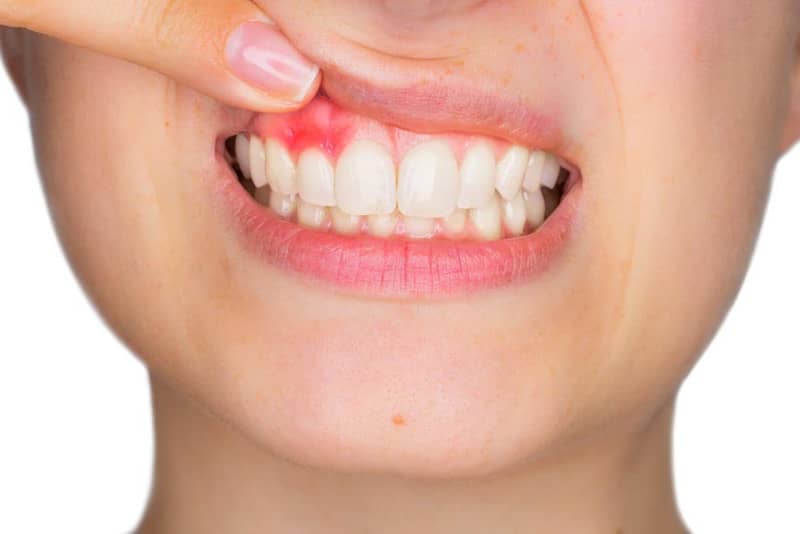
Inflammation of the gums is the first warning sign. Red, shiny, swollen gums, or gums that are tender to the touch, indicate that gingivitis is already present. This condition is caused by the build-up of bacterial plaque and biofilm along the gum line, particularly in areas that are difficult to clean, such as between the molars or behind the lower incisors.
Swollen gums may indicate early-stage gum problems which, if treated with a professional cleaning and improved oral hygiene, can usually be completely reversed.
Bleeding gums
Bleeding gums are a common symptom of gingivitis and one of the first signs of gum problems. If your gums bleed when you brush, floss or even eat, this is not normal. Bleeding and bad breath are symptoms of inflammation or infection that should not be attributed solely to a hard-bristled toothbrush.
Bleeding gums are a symptom that should not be ignored and require professional assessment. In smokers, the bleeding may be ‘masked’ because tobacco reduces blood flow, making it difficult to detect periodontal disease at an early stage.
Recession and gum recession
Gum recession causes the gums to recede, leaving the root of the tooth exposed and making the teeth appear ‘longer’. Gum recession exposes the root of the tooth, leading to sensitivity to hot or cold, a sensation of ‘gaps’ between the teeth and a build-up of food debris.
The causes may include periodontal disease, aggressive brushing, misaligned teeth or braces that pull on the gums. At Udemax Clinics, we can assess whether the gum recession requires conservative periodontal treatment or a gum graft.
Pain, tenderness and persistent bad breath
Gum pain is not always present, but when it does occur, it usually indicates advanced inflammation or a periodontal abscess. Tooth sensitivity increases if the roots are exposed due to gum recession.
Persistent bad breath may be a sign of gum disease, linked to the build-up of plaque and tartar in deep pockets. If halitosis persists despite good oral hygiene and the use of mouthwash, it is advisable to book a dental check-up.
Risk factors for gum disease
As well as dental plaque, there are risk factors that increase the likelihood of developing periodontal disease. These factors include lifestyle habits, genetic predisposition, systemic diseases, medication and lifestyle. Understanding these factors enables prevention to be tailored at the dental practice.
Patients in Mallorca with several risk factors should book more frequent check-ups at Udemax Clinics to protect their oral health.
Poor oral hygiene
The main cause of gum disease is poor oral hygiene. Common mistakes such as brushing too quickly, failing to clean the gum line, not flossing or not brushing the tongue allow biofilm to build up. Bacterial plaque turns into tartar if it is not removed, and this tartar can only be removed at the dentist’s surgery using ultrasonic scalers.
The ideal daily routine includes brushing twice a day (at least), flossing or using interdental brushes, and rinsing if advised by your dentist.
Tobacco, alcohol and lifestyle
Tobacco use irritates the gums and exacerbates gingivitis, and is one of the most significant risk factors for periodontal disease. Smoking weakens the immune response, promotes the colonisation of pathogenic bacteria and worsens treatment outcomes.
Excessive alcohol consumption, chronic stress and a diet high in sugar and ultra-processed foods also increase inflammation. A recent study by the ADEMA Observatory in the Balearic Islands reported a 22–26 per cent increase in oral infections amongst schoolchildren, partly linked to diets high in sugar. The Udemax team can advise on lifestyle changes to improve gum health.
Genetic factors and systemic diseases
Some people have a greater genetic predisposition to developing aggressive periodontal disease. Conditions such as poorly controlled diabetes, cardiovascular disease or immunodeficiencies have a direct impact on gum health. For example, hyperglycaemia promotes gum inflammation and alters the immune response.
Hormonal changes during pregnancy, the menopause or adolescence can also exacerbate gum inflammation. In such cases, it is advisable for the doctor and dentist to work together.
Medicines and dry mouth
Certain medicines – including antihypertensives, antidepressants and anti-allergy medicines, amongst others – can reduce saliva production and increase the risk of gum disease. Xerostomia (dry mouth) increases the risk of tooth decay and gum inflammation, because saliva plays a protective role: it cleans the mouth mechanically and provides immune defences.
It is important to always inform your dentist of any medication you are taking so that your preventive care plan can be tailored accordingly. At Udemax Clinics, we can recommend specific products to stimulate saliva production or protect your gums.

Types of gum disease
There are various types of gum disease, ranging from mild and reversible conditions to chronic and destructive periodontal disease. The most common classification distinguishes between gingivitis, periodontitis and other conditions such as peri-implantitis and gum recession. Only a periodontist or dentist, following a clinical and radiographic examination, can establish the specific diagnosis in each case.
Gingivitis: early-stage inflammation of the gums
Gingivitis is the initial stage of gum disease, confined to the superficial gum tissue. It is mainly caused by the build-up of bacterial plaque and is characterised by red, swollen gums and bleeding when brushing, but without bone loss or tooth mobility.
Gingivitis can be reversed with appropriate treatment, including thorough brushing and flossing, supplemented by professional cleaning. However, if left untreated, gingivitis can cause teeth to become loose as it progresses to more serious stages. Gingivitis affects up to 90 per cent of the Spanish population, which highlights how common it is.
Periodontitis: advanced periodontal disease
Periodontitis can be caused by untreated gingivitis. It is a serious infection that damages the soft tissue, the periodontal ligament and the periodontium as a whole. Periodontal disease is characterised by bleeding, redness and swelling of the gums, as well as deep periodontal pockets, receding gums and tooth mobility, which may be a symptom of advanced periodontal disease.
Periodontitis affects the bone that supports the teeth and, if left untreated, can lead to tooth loss. The treatment process includes scaling and root planing, possible periodontal surgery and long-term maintenance.
Peri-implantitis and peri-implant mucositis
Peri-implant mucositis is inflammation of the gum tissue surrounding a dental implant, similar to gingivitis in natural teeth. If left unchecked, it can progress to peri-implantitis: an infection that destroys the bone surrounding the implant and can compromise its stability.
Implants fitted in Mallorca or anywhere else should be checked regularly for bleeding, discharge or early bone loss. Clínicas Udemax has specialists in periodontics and implants to halt the progression of the condition and, where possible, regenerate the affected tissue.
Gingival recessions without active periodontal disease
Gum recession can occur without active periodontal infection, for example due to aggressive brushing, congenitally thin gums or malpositioned teeth. The impact is both aesthetic and functional: exposed roots, sensitivity and an increased risk of root caries.
Treatment may include changes to brushing technique and mucogingival surgery (grafts) to cover the root. At Udemax Clinics, each case is assessed to determine whether the recession is purely cosmetic or also functional.
Periodontal abscesses and other complications
A periodontal abscess is a localised infection of the gums, characterised by a pocket of pus that causes pain, severe inflammation and, sometimes, a fever. It is usually associated with deep periodontal pockets, food debris or a weakened immune system.
It requires urgent treatment at a clinic: drainage, thorough cleaning and, in some cases, antibiotics. You should never self-medicate or try to lance the area at home: professional assessment is essential to avoid further complications.
Main causes of gum disease
The main cause of gum disease is the build-up of bacterial plaque, which is influenced by a number of factors. If biofilm is not removed, it hardens into tartar, which irritates the gums and triggers the inflammatory process. This is compounded by poor oral hygiene, misaligned teeth, hormonal changes and systemic diseases.
The mere presence of bacteria does not always lead to disease: each person’s immune response and genetic makeup play a role. Certain habits common in Mallorca – diets high in sugar, smoking and fizzy drinks – increase the risk of more serious consequences. Prevention and check-ups at our dental clinics enable us to address the causes before irreversible damage occurs.
How are gum diseases treated?
Treatment for gum disease depends on its severity and may include prophylaxis, scaling, surgery or regeneration, always based on a professional diagnosis. At Udemax Clinics, we combine modern techniques with patient education to maintain the results. No treatment is permanent without proper aftercare and changes to lifestyle habits at home.
Professional cleaning and plaque control
Professional prophylaxis involves removing supragingival plaque and tartar using ultrasonic scalers and polishing. Visits to the dentist are recommended every 6 to 12 months for professional cleanings in healthy patients, and more frequently if periodontal disease is already present.
At each appointment, personalised guidance is provided on how to improve brushing technique and the use of dental floss or interdental brushes, tailored to each person’s individual oral condition.
Treatment of periodontitis
Scaling and root planing removes plaque and tartar from beneath the gums, carried out over several sessions under local anaesthetic. Deep cleaning reduces gum recession and slows bone loss. In advanced cases, treatment for periodontitis may include periodontal surgery to access deep pockets and reshape the bone. Flap surgery helps to remove bacterial build-up in hard-to-reach areas.
Antibiotics prevent new gum infections when the dentist considers it necessary. The periodontal maintenance programme (check-ups every 3–6 months) is essential to prevent relapses.
Regenerative treatments, grafts and implants
Regenerative treatments use biomaterials, barrier membranes and growth factors in an attempt to restore lost bone and gum tissue. Soft tissue grafting reinforces receding gums and improves both appearance and sensitivity.
When periodontal disease has already led to tooth loss, dental implants are an option for restoring function and aesthetics. At our clinics, we carry out assessments using digital X-rays and, if necessary, dental CT scans to plan these aspects of advanced treatment effectively.
Prevention and daily care for healthy gums
The key to maintaining healthy gums is consistent oral hygiene. Preventing gum problems involves removing bacterial plaque every day, attending regular check-ups and maintaining a healthy lifestyle. Prevention is always easier and cheaper than treating advanced periodontal disease.
Proper oral hygiene at home
Thorough oral hygiene involves brushing your teeth at least twice a day (ideally three times), for two minutes, using a gentle technique from the gum line towards the tooth. Daily use of dental floss or interdental brushes is essential for cleaning areas that a toothbrush cannot reach. Flossing every evening significantly reduces the build-up of interdental biofilm.
Mouthwash should be recommended by a dental professional, and you should avoid overusing alcohol-based mouthwashes. It is also advisable to change your toothbrush every 3 months, or sooner if it becomes misshapen.
Regular check-ups at the dental surgery
It is recommended that adults with no dental problems visit the dentist at least every six months, and every 3–4 months for patients with a history of periodontal disease. During these visits, the condition of the gums is checked, the depth of the pockets is measured and a professional cleaning is carried out if necessary.
At Udemax Clinics, we keep a record of each patient’s periodontal progress so that we can take action before serious damage occurs. Book an appointment at any of our clinics in Mallorca for a full assessment.
Healthy habits and diet
To protect your gums, you should:
- Cut down on your intake of sugar, fizzy drinks and alcohol.
- Increase your intake of fruit, vegetables and water.
- Avoid tobacco, including both cigarettes and vaping, due to its direct impact on periodontal disease.
- Take regular exercise and manage stress.
It is advisable to discuss with your dentist any changes to your medication or any general medical conditions that may affect your mouth.
Treatment of gum problems at Udemax Clinics
Udemax Clinics is a network of clinics in Mallorca specialising in oral health. Its gum-related services include periodontal check-ups, professional cleanings, scaling and root planing, periodontal surgery, grafts and peri-implant treatments.
We offer state-of-the-art technology (digital X-rays, dental CT scans where necessary) and professionals with specialist training in periodontics. The first appointment includes a medical history, a full examination and an explanation of the treatment options tailored to each patient. Book an appointment via the official website or by telephone to discuss any concerns you may have about gum problems.
Frequently asked questions about gum problems
Is it normal for my gums to bleed when I brush my teeth?
This is not normal. Bleeding is one of the first signs of gum problems, even if they do not hurt at first. If your gums bleed when you brush your teeth, you should improve your oral hygiene and consult a specialist. Recurrent bleeding lasting for more than a week requires professional assessment to rule out gingivitis or periodontal disease. Our dentists can review your brushing technique with you and carry out a professional clean if necessary.
Can gum disease be contagious?
The bacteria involved can be transmitted via saliva (kissing, sharing cutlery), but the onset of the disease also depends on the recipient’s hygiene and risk factors. It is advisable to maintain good hygiene, avoid sharing toothbrushes and have regular check-ups for couples or families with a history of periodontal disease.
Can gingivitis be completely cured?
Yes. If detected early, gingivitis is usually reversible with proper oral hygiene and professional cleaning. Treatment for gingivitis involves thorough brushing and regular flossing. However, if left untreated, it can progress to periodontitis, which is no longer fully reversible and requires more complex treatment. Don’t wait until you’re in pain before seeing your dentist.
How often do I need a professional dental clean?
Most adults benefit from a dental cleaning every 6–12 months, depending on the amount of tartar and their risk level. Patients with a history of periodontal disease usually require check-ups every 3–6 months. Our dentist or dental hygienist will determine the ideal frequency for each individual case.
Can gum disease affect my general health?
Yes. Periodontal disease has been linked to an increased risk of cardiovascular problems, complications from diabetes and preterm births, amongst other conditions. Keeping your gums healthy is part of your overall healthcare and not just a matter of dental aesthetics. Regular check-ups with your dentist are particularly important for patients with chronic conditions.