A comprehensive guide to caring for dental veneers

En este artículo
- Key points
- Why is it important to look after dental veneers?
- Types of dental veneers and their approximate lifespan
- Daily oral hygiene with veneers: what to do after every meal
- Food and habits that can damage veneers
- Habits to avoid so as not to break or dislodge your veneers
- Professional dental care at the dental clinic
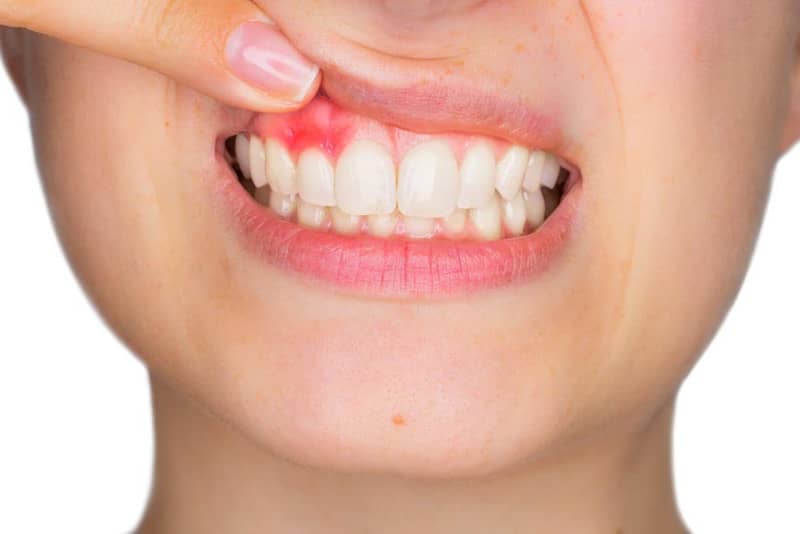
- Warning signs: when to visit the dentist’s surgery
- Dental veneers at Udemax Clinics (Mallorca)
- Quick summary of essential care
- Frequently asked questions about dental veneer care
Dental veneers can transform your smile, but how long they last depends entirely on what you do every day. In this article, you’ll find all the tips, habits and care instructions you need to look after your dental veneers and keep them in perfect condition for years to come.
Key points
- Porcelain veneers can last between 10 and 15 years; composite veneers last approximately 5 to 7 years with proper care.
- It is recommended that you brush your teeth after every meal using a soft-bristled toothbrush and floss at least once a day.
- Limiting your intake of coffee, red wine, tobacco and hard foods is essential for maintaining the appearance and integrity of your veneers.
- Bruxism can cause fractures in dental veneers; it is recommended that you wear a bite splint to protect them.
- Regular check-ups every 6–12 months at the dental practice help to detect problems early and extend the life of your veneers.
Why is it important to look after dental veneers?
Dental veneers are thin shells that improve the appearance of your smile, but underneath each one there is still a natural tooth that can be damaged. Taking good care of your veneers will extend their lifespan and prevent them from needing to be replaced prematurely.
Both porcelain and composite veneers are durable, but they can crack, come loose or become discoloured due to poor habits. Poor oral hygiene can lead to tooth decay around the edges of the veneers and gum problems such as gingivitis or periodontitis.
At Udemax Clinics, we use high-quality materials and advanced technology, but the long-term outcome also depends on the patient and their daily care.
Types of dental veneers and their approximate lifespan
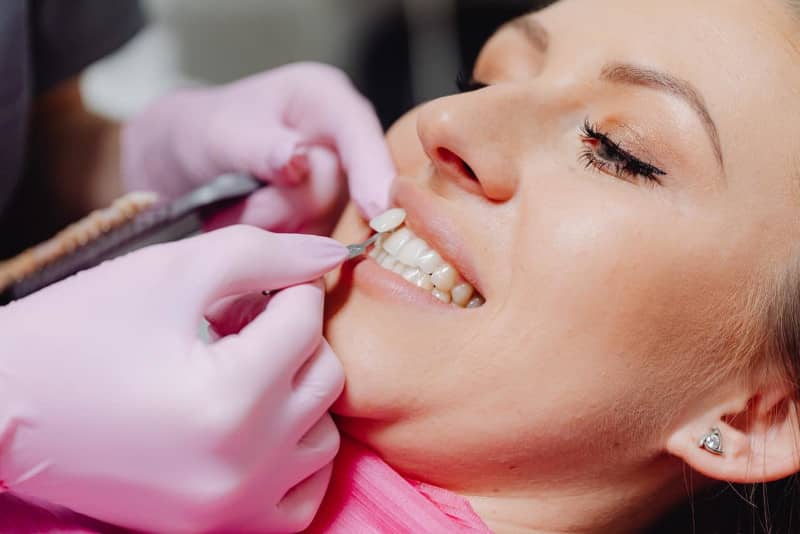
Before discussing aftercare, it is important to know what type of veneer each patient has, as the material affects both its durability and the maintenance guidelines. The ranges we provide are estimates based on clinical studies, not fixed guarantees, and the fitting technique used by specialists has a significant influence on the outcome.
Porcelain veneers (including lithium disilicate)
Porcelain veneers – for example, e.max-type lithium disilicate veneers – offer a natural appearance and high resistance to wear. According to clinical studies, porcelain veneers can last between 10 and 15 years, whilst lithium disilicate veneers can last up to 10 years with good oral hygiene and regular check-ups. A meta-analysis published in PubMed reports an estimated survival rate of 92 per cent at the five-year mark.
Porcelain is virtually unaffected by coffee, wine or tobacco, but the tooth and the surrounding gums can become stained, creating a contrast. If a porcelain veneer cracks or comes loose, it usually needs to be remade in the laboratory and a new appointment made at the dental practice.
Composite veneers
Composite veneers are more affordable and, in many cases, can be fitted in a single appointment. They typically last between 5 and 7 years, depending on the patient’s oral hygiene and habits. Composite veneers are more prone to staining over time, as composite is more porous and coloured foods and drinks stain composite veneers more easily.
On the other hand, it is a material that can be easily repaired in the dentist’s surgery: it can be touched up, polished or have composite added to it in a short appointment. A study involving 1,459 veneers showed that the annual failure rate for composite is around 9–10 per cent, compared with 2–3 per cent for ceramic.
Daily oral hygiene with veneers: what to do after every meal
The key to looking after dental veneers is daily oral hygiene, which should be just as rigorous – or even more so – than when you do not have veneers. You must keep the surface of the veneer, as well as the margins and gums, clean. Good oral hygiene at home reduces the need for more complex treatments at the dentist’s surgery.
How to brush your teeth properly when you have veneers
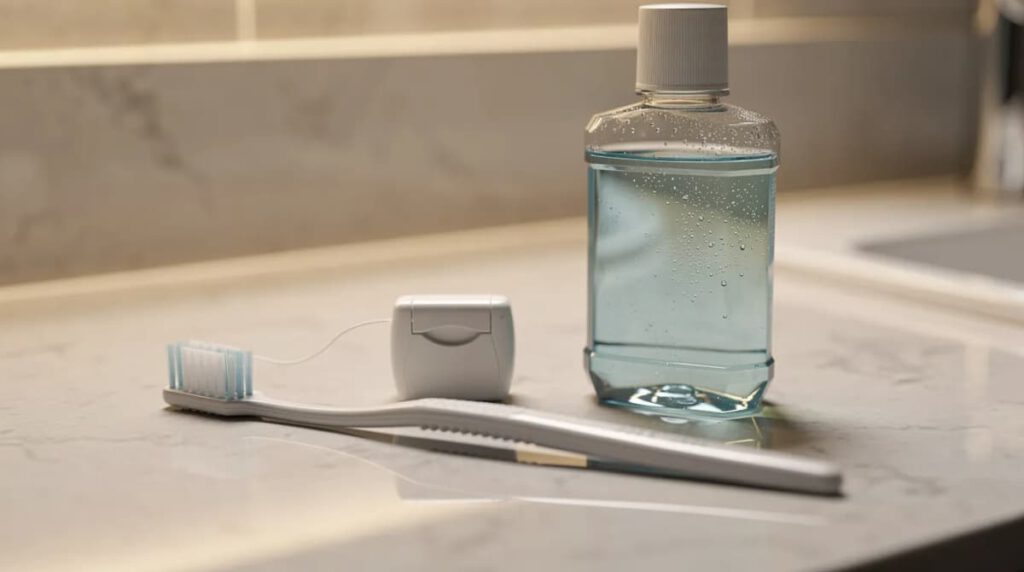
Brush gently using a soft-bristled toothbrush. Brush your teeth after every meal, spending at least 2–3 minutes, especially after breakfast, lunch and dinner. It is important to use non-abrasive toothpaste to prevent wear and tear on your veneers: avoid toothpastes containing harsh whitening particles.
The recommended technique is to brush gently from the gumline towards the free edge of the tooth, taking care not to apply excessive pressure to the margins. You can use either a manual or electric toothbrush, provided it has a small brush head and a gentle setting.
Flossing and interdental hygiene
Floss at least once a day, ideally in the evening. Daily flossing is essential for preventing tooth decay at the junction between the veneer and the natural tooth. Gently slide the floss between the teeth, taking care not to pull too hard so as not to strain the edges.
In some cases, a oral irrigator may be recommended as a complement to, but never as a substitute for, dental floss. At Udemax Clinics, the dental hygienist teaches patients the correct technique tailored to their individual needs.
Mouthwashes and recommended products
An alcohol-free mouthwash is recommended to prevent gum irritation. Choose products without strong colourings to avoid causing discolouration of the composite. Mouthwashes containing fluoride or mild antibacterial agents may be useful, as prescribed by your dentist.
You do not need to rinse your mouth after every meal, but you should do so at least once a day (usually in the evening). Avoid excessively abrasive toothpastes and mouthwashes, or supermarket whitening products, without professional supervision.
Our adviceTake care of your daily oral hygiene
Food and habits that can damage veneers
Certain foods, drinks and habits have a direct impact on the appearance and durability of dental veneers. In Mallorca, there is a high consumption of coffee, wine and typical hard foods (nougat, nuts), so it is worth emphasising the need for caution. There is no need to ban everything, but it is important to exercise moderation and adjust the way you chew.
Foods and drinks that stain veneers
Limiting your intake of foods that stain veneers is essential for maintaining their appearance. Specific examples:
- Coffee, black tea, red wine
- Cola drinks, curry, turmeric
- Soy sauce, red berries
These drinks and foods mainly affect composite veneers. Limiting your intake of coffee and red wine helps prevent staining. Drinking water straight afterwards and brushing your teeth or rinsing your mouth after consuming them helps to minimise the effect.
Very hard or sticky foods
It is important to avoid hard foods to prevent veneers from coming loose or breaking. Hard foods can cause dental veneers to break. Examples:
- Hard nougat, whole almonds, kikos, ice
- Popcorn with unpopped kernels
- Sticky chewing gum, chewy sweets
Cut foods such as apples, sandwiches or Mallorcan ‘pa amb oli’ into small pieces rather than biting into them directly with your front teeth. If you notice a crunching sound or discomfort when chewing, book an appointment at the clinic as soon as possible.
Our adviceWait before brushing
Tobacco, alcohol and sugar
Smoking can cause significant staining of composite veneers and natural teeth, as well as damaging the gums and bone. Limit your tobacco use to prevent staining of your veneers. Giving up smoking is the best way to maintain the appearance of your smile and your overall oral health.
Alcohol, particularly when combined with sugars (liqueurs, fizzy drinks), promotes the development of tooth decay along the edges of veneers. Limit your intake of added sugars and always brush your teeth afterwards.

Habits to avoid so as not to break or dislodge your veneers
As well as diet, certain mechanical habits can compromise the bonding and integrity of the restorations. A fractured or detached veneer almost always requires immediate repair at the dental surgery.
Biting objects and using teeth as tools
Using your teeth as tools increases the risk of fractures. Not using your teeth as tools helps to prevent damage to your veneers. Common examples include: biting pens, fingernails or paper clips; opening packets or bottles; and tearing off labels with your front teeth.
Replace these habits with safe alternatives (scissors, bottle openers, nail clippers). The dentist can detect microcracks during regular check-ups and, with the support of the clinical team, recommend changes to each patient’s routine.
Bruxism and the need for a bite splint
Bruxism (clenching or grinding the teeth, particularly at night) is very common and often happens unconsciously. Bruxism can cause fractures in dental veneers and may also lead to them becoming detached over time. Porcelain veneers are more resistant to bruxism, but no material is immune to constant forces.
It is recommended that you use a bite splint if you suffer from bruxism. A bite splint is necessary if you have bruxism, to protect your veneers. At Udemax Clinics, we design bespoke bite splints using digital technology to ensure maximum comfort and protection.
Contact sports and mouthguards
Sports such as football, basketball and martial arts carry a risk of blows that could damage dental veneers. It is advisable to use a custom-made mouthguard: custom-made mouthguards fit better than off-the-shelf ones and offer greater protection. Your dentist can take digital scans during a quick appointment to have the mouthguard made.
We'll evaluate your case at no cost at any of our three clinics in Palma
Schedule your first free visitProfessional dental care at the dental clinic
It is essential to combine home care with regular check-ups. At Udemax Clinics, we recommend one or two visits a year, depending on the type of veneer and the patient’s habits. The initial assessment can be easily booked online, by telephone or in person at one of our clinics in Palma de Mallorca.
Professional cleaning and inspections
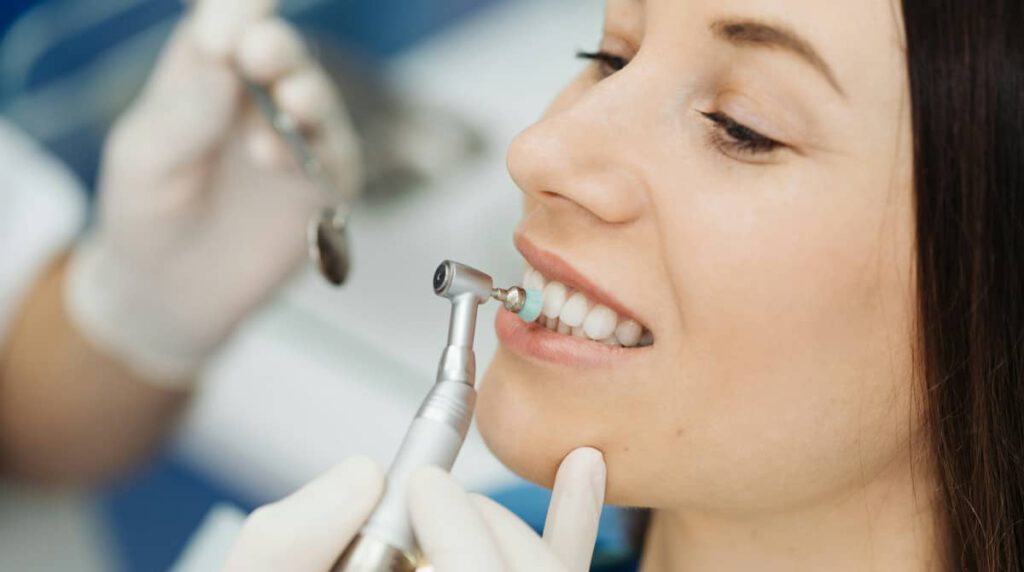
It is advisable to visit the dentist every 6 months for check-ups and cleanings. Have a professional dental cleaning at least once a year. A professional cleaning removes tartar and plaque from areas that a toothbrush and dental floss cannot reach. The condition of your gums, the edges of your veneers and your bite are also checked.
During the check-up, the dentist may make minor adjustments to the shape of the teeth or polish any rough areas, which is key to long-term maintenance.
Specific care instructions for composite veneers
Composite veneers require regular polishing to restore their shine and smoothness. Generally, polishing is recommended once a year or every 1–2 years, depending on the individual case. Minor adjustments to shape or colour can be made by adding composite during the same appointment. This maintenance extends the lifespan of the veneers and delays the need for a complete replacement.
Specific care instructions for porcelain veneers
Porcelain veneers do not usually require polishing as frequently, but the bite and the condition of the adhesive do need to be monitored. Cleanings are carried out using special tips and pastes that do not damage the ceramic enamel. If micro-cracks or minor detachment are detected, the dentist will assess whether the veneer needs to be replaced. An annual check-up can extend the life of the veneers to 10–15 years or more.
Warning signs: when to visit the dentist’s surgery
Patients should be aware of which symptoms mean they should book an appointment without waiting for their next scheduled check-up. Acting early leads to simpler and more cost-effective solutions. At Udemax Clinics, we have an emergency telephone number for cases involving acute pain or obvious fractures.
Sprains, fractures and aches and pains
Look out for these signs:
- Feeling a draught when running your tongue along the edge, or noticing a new step.
- Pain when chewing, sensitivity to hot or cold, or discomfort when flossing.
- If a veneer falls out completely, put it in a clean container and go to the clinic as soon as possible.
The dentist will assess whether the veneer can be reattached (particularly in the case of composite veneers) or whether a new one needs to be made.
Changes in colour or dark edges
Darkening at the edges may be caused by leakage, external pigments or early-stage tooth decay. Composite veneers may lose their lustre and shade over the years, a problem that can be remedied by polishing or replacement. A retrospective analysis found that colour changes were the most common complication (≈60 per cent of cases) when the surface was not adequately protected.
If you notice any significant differences in colour between the different pieces, please ask for an assessment. In some cases, a complete smile redesign may be planned after several years of use.
Dental veneers at Udemax Clinics (Mallorca)
Udemax Clinics has over four decades’ experience in advanced dentistry in Palma de Mallorca. The team, led by Dr Martínez-Almoyna (a registered specialist in oral surgery, periodontics and implantology), specialises in cosmetic dentistry, prosthetics and oral rehabilitation, including porcelain and composite veneers.
We carry out a personalised smile assessment using photographs, X-rays and a digital scan. If you need to assess the condition of your current veneers or are considering having them replaced, book your free initial consultation at any of our three clinics in Palma.
Quick summary of essential care
If you’re looking for straightforward advice on how to look after your veneers, here are some essential guidelines:
- Estimated lifespan: porcelain veneers, 10–15 years; composite veneers, 5–7 years.
- Daily oral hygiene: brush your teeth after every meal using a soft-bristled toothbrush and a mild toothpaste. Floss daily.
- Diet: avoid foods that are very hard, sticky or strongly coloured (coffee, red wine, curry, tobacco).
- Habits: do not use your teeth as tools; if you suffer from bruxism, use a bite splint.
- Check-ups: At Udemax Clinics (Palma de Mallorca), we recommend check-ups every 6–12 months to monitor the condition of your veneers.
Frequently asked questions about dental veneer care
How often should I have my dental veneers checked at the clinic?
It is standard practice to have a check-up every 6–12 months, depending on the type of veneer and the patient’s habits. Smokers, people who grind their teeth or those who consume large amounts of pigmented foods may need more frequent check-ups. Our dentists determine the ideal frequency after assessing each individual case.
Can I have my teeth whitened if I already have dental veneers?
Veneers (porcelain or composite) cannot be whitened using conventional treatments. The remaining natural teeth can be whitened, but this should always be planned in consultation with your dentist to avoid creating excessive colour differences. In some cases, the teeth are whitened first, and then new veneers are designed to match the new shade.
Is it normal to experience sensitivity after having veneers fitted?
A slight sensitivity to cold or heat during the first few days is relatively common following fitting. This discomfort usually subsides within 1–2 weeks; if it persists or worsens, you should consult your dentist, who may adjust the bite or check the seal of the adhesive.
Can I eat normally with porcelain or composite veneers?
Yes, you can lead a virtually normal life and eat a normal diet once the adjustment period is over. However, you should be careful with very hard or sticky foods and avoid biting into certain foods directly with your front teeth. Cut your food into small pieces and follow your dentist’s specific instructions.
Are dental veneers a reversible treatment?
In most cases, fitting porcelain veneers requires minimal enamel reduction, which is why the treatment is generally considered irreversible: the tooth cannot be restored to its original appearance without the veneer. There are techniques involving minimal or no enamel reduction, which the specialist will assess during the first appointment depending on the imperfections to be corrected and the size of the teeth.