What is the treatment for an open bite?
An open bite is a fairly common type of dental malocclusion. If left untreated during childhood and adolescence, many people reach adulthood with this dental problem. As well as affecting appearance, this malocclusion can cause certain functional problems, which is why it is best to address it during childhood.
What you need to know to treat an open bite.
- What is an open bite and what types are there?
- What causes an open bite?
- What problems are associated with an open bite?
- What is the best treatment for an open bite?
1. What is an anterior open bite, and what types are there?
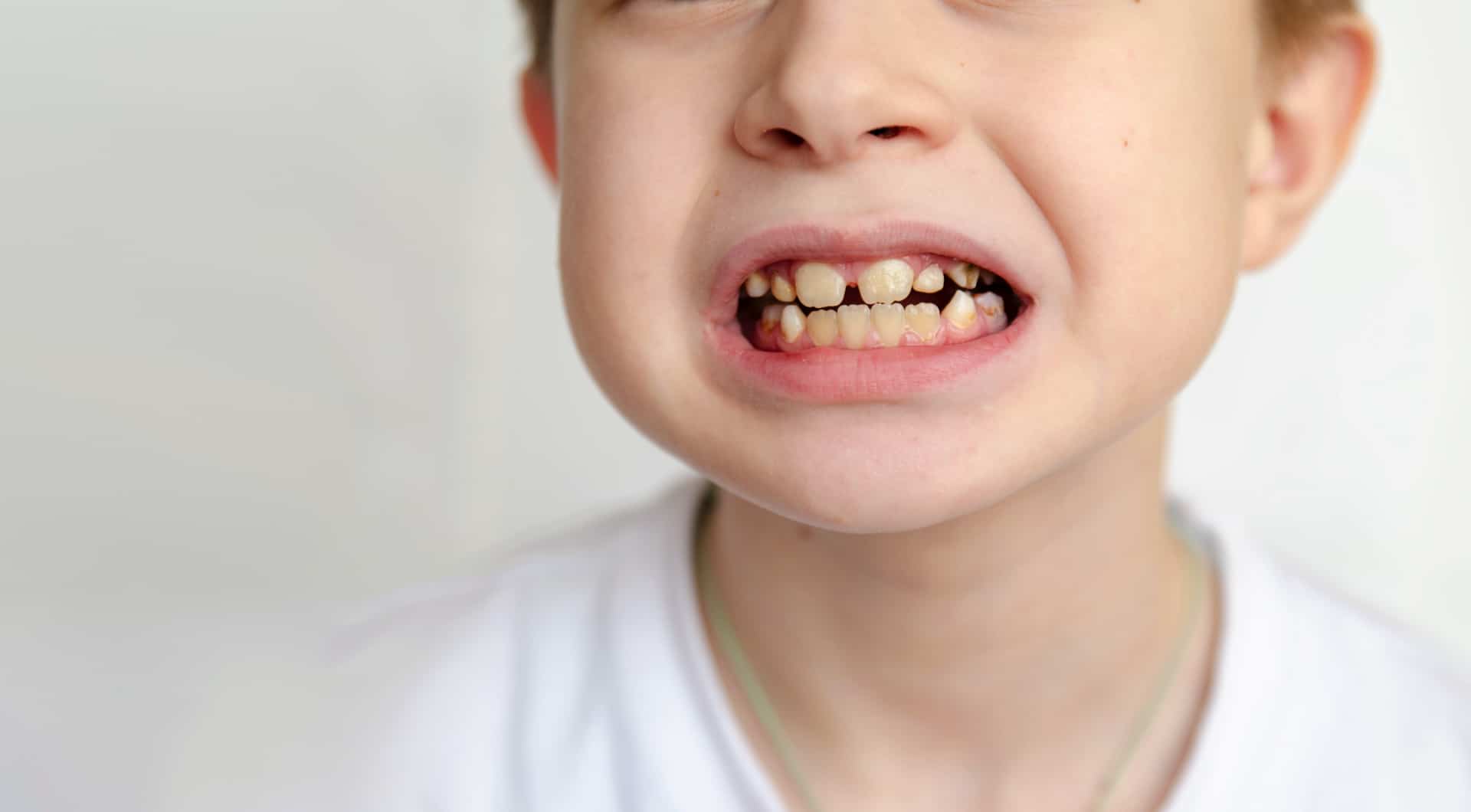
A child is said to have an open bite when, upon closing the mouth, there is a lack of contact between the teeth, leaving a gap between the upper and lower teeth, particularly between the canines and incisors, although this can also occur between the molars.
In other words, children with this type of dental malocclusion are unable to close their mouths completely, and this open bite can affect not only the ability to close the mouth but also its functionality, as the front and/or back teeth in the different dental arches do not make contact. As this type of malocclusion can vary, there are different types of open bite:
- Anterior open bite: the most common and visible of all; an open bite occurs when the front teeth do not make contact.
- Posterior open bite: unlike in the previous case, it is the back teeth (the molars) that do not make contact.
- Lateral open bite: in this case, the problem is confined to a single area or side of the mouth (right or left), where the teeth do not align when biting down.
- Complete open bite: this is the most complex condition, in which neither the front nor the back teeth meet their opposing teeth.
2. What causes an open bite?
Whilst there is a significant genetic component amongst the causes of an open bite that can lead to skeletal and dental problems during the growth phase, acquired factors also play a part. In fact, it is more common in children and is often linked to oral habits maintained throughout childhood:
- Continued use of a dummy after the age of two or three, particularly if it goes on for a long time, can contribute to an open bite.
- Sucking the thumb or another finger during the early years of development; specifically, thumb-sucking can cause an open bite.
- Pushing the teeth with the tongue (although it makes the problem worse, it does not cause it).
- Recurrent mouth breathing can lead to changes in the position of the teeth and in their development. In some patients, the absence of certain posterior teeth may also contribute to this.
3. What problems are associated with an open bite?
As we mentioned at the start, an open bite is not only a cosmetic issue, but also affects oral health and causes functional problems that can persist into adulthood, reducing quality of life. Among the most significant consequences of this type of malocclusion are:
- Difficulty chewing and eating food. The fact that the teeth do not make proper contact when the mouth is closed makes it difficult to chew food properly and compromises the functionality of the bite.
- Greater tooth wear on some teeth. As a result, some teeth may wear down prematurely compared to others, exacerbating the problem.
- Respiratory problems. Because they are unable to close their mouths completely, due to the development of their jaws, many patients tend to breathe through their mouths rather than through their noses.
- Speech disorders. As they develop, children may have difficulty articulating certain sounds if they have this condition, such as a lisp.
- Temporomandibular joint (TMJ) disorders. These present with symptoms such as headaches, facial pain or neck pain, and may even include problems such as bruxism.
4. What is the best treatment for an open bite, and when is orthognathic surgery recommended?
The best dental approach to this type of malocclusion is undertaken during childhood and adolescence. To correct an open bite, two types of orthodontic treatment may be carried out, depending on the patient’s age. In most cases, early diagnosis is key and makes treatment simpler and more effective.
4.1. Interceptive orthodontics.
Interceptive orthodontics is carried out on children aged 6 and over during the stage of jaw development if they have any skeletal problems. This is because, whilst the child is growing, the orthodontist can guide and modify the development of the bones, correcting these structures to achieve the correct position of the bones and teeth.
4.2. Corrective orthodontics.
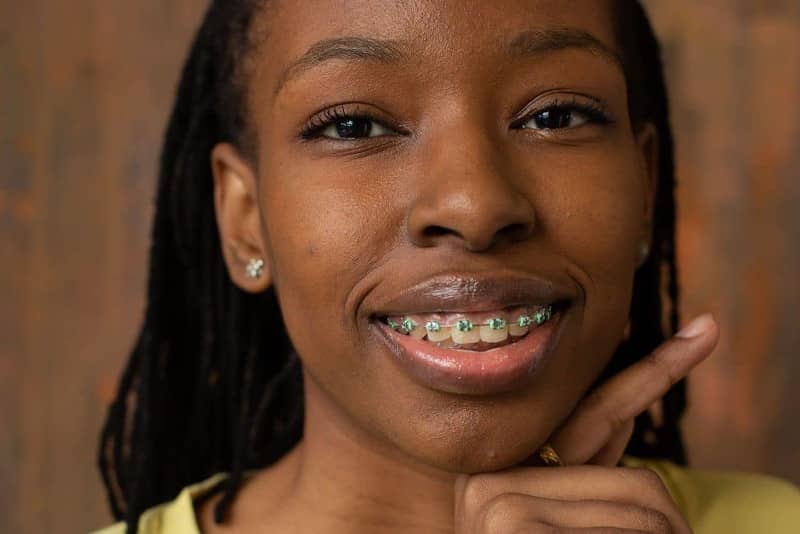
From the age of 12, once bone growth has finished, adults are often offered orthodontic treatment to correct this problem. If the misalignment has already been corrected or is minor, options such as braces and aligners may be sufficient.
However, in severe cases that persist into adolescence or adulthood, a skeletal open bite may require a combination of orthodontic treatment and orthognathic surgery, as the cause lies in the position of the upper jaw and lower jaw. In some patients, micro-screws may also be used; these are small temporary implants that help to intrude the posterior molars.
Orthognathic surgery is used in severe cases of this type of malocclusion. The combined treatment of orthodontics and surgery can last up to 36 months.
Therefore, to avoid this sort of more complex treatment in adulthood, it is advisable to treat dental problems from childhood onwards, particularly those relating to the development of the jawbones.
It is therefore important to attend regular check-ups with a specialist. Paediatric dentists are trained to assess both the condition of children’s teeth and gums and their development, and to detect at an early stage whether they may develop any malocclusion.