Yellow teeth: causes, solutions and professional treatments in Mallorca

En este artículo
- The essential points
- Why do teeth turn yellow, and when should you be concerned?
- Causes of yellow teeth: extrinsic and intrinsic
- Pigmented food and drink: coffee, tea and red wine
- Tobacco, poor oral hygiene and tartar: the silent enemies of tooth enamel
- Age, genetics and other internal causes of yellow teeth
- Medicines, fluorosis and diseases: lesser-known causes
- Why are my teeth yellow if I brush them properly?
- Home remedies for whitening yellow teeth: what to do and what not to do
- Professional teeth whitening at Clínicas Udemax: how to safely whiten yellow teeth
- Types of teeth whitening: in-clinic and at-home
- Dental veneers and other cosmetic solutions for severe cases
- Habits to prevent your teeth from turning yellow
- Treatment for yellow teeth in Mallorca: why choose Clínicas Udemax
- Frequently asked questions about yellow teeth and teeth whitening
Yellow teeth are a common cosmetic problem. At Clínicas Udemax, based in Mallorca, it is one of the most frequent reasons for people of all ages to seek treatment. This article breaks down the real causes of tooth discolouration, clinically proven treatments and the habits that will protect your smile in the long term.
The essential points
- Yellow teeth can be caused by daily habits (coffee, tobacco, red wine), natural aging, genetics, or specific medical conditions and medications.
- At Clínicas Udemax (Mallorca), the primary solution for whitening yellow teeth is professional teeth whitening, which can lighten teeth by 4 to 12 shades depending on the case.
- Harsh home remedies (baking soda, lemon, activated charcoal) erode enamel and, paradoxically, can make the discoloration worse in the medium term.
- When stains are deep or whitening isn’t enough, porcelain or composite dental veneers offer a long-lasting, personalized solution.
Why do teeth turn yellow, and when should you be concerned?
Yellow teeth do not always indicate poor dental health. However, a change in colour may conceal a build-up of tartar, early-stage tooth decay or risky habits that should be identified early. At Clínicas Udemax, we see patients every week who are concerned about the colour of their upper front teeth; this concern affects their confidence when smiling, their social relationships and, in many cases, their perception of their own personal beauty.
The aim of this article is to explain the main causes of yellow teeth, how to whiten yellow teeth safely, and what options are available when the problem goes beyond superficial staining. Before any treatment, it is essential to have an assessment by a dental professional to measure the current colour, check the gums and enamel, and rule out any underlying conditions.

Causes of yellow teeth: extrinsic and intrinsic
The causes of yellow teeth can be divided into two main groups. Extrinsic stains are found on the surface of the enamel: they are caused by food, pigmented drinks, tobacco and bacterial plaque deposits that trap chromogens. Extrinsic tooth stains are the most easily treated with procedures such as professional cleaning and teeth whitening.
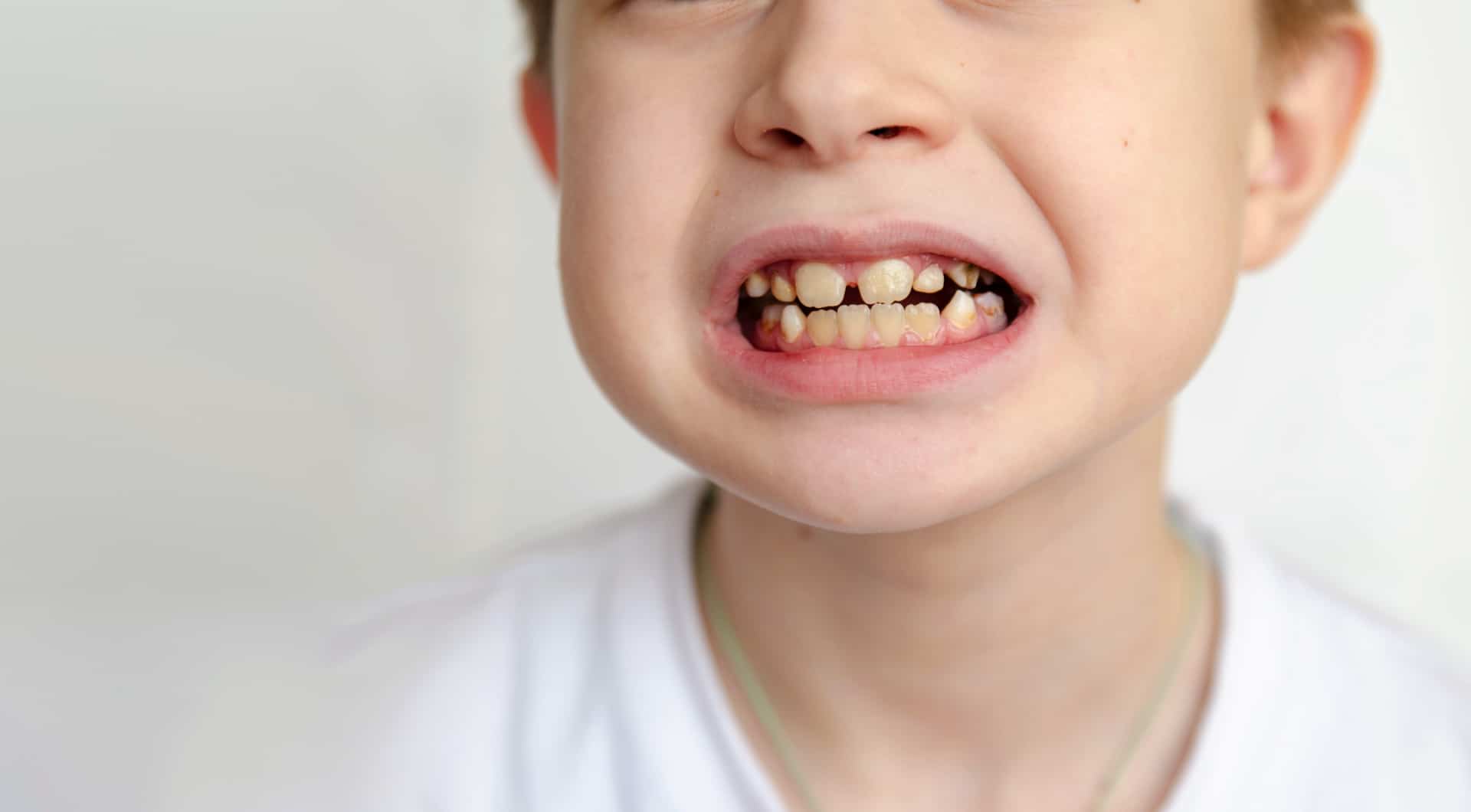
Intrinsic causes affect the internal structure of the tooth. Dentin, which has a naturally yellowish hue, becomes more exposed as the enamel thins due to age, genetics or erosion. Medicines, trauma and systemic diseases also alter the colour from within. Common causes of yellow teeth include food and tobacco, but often several factors are at play simultaneously. Therefore, the solutions for whitening teeth will depend on correctly identifying the type of stain and its causes.
Pigmented food and drink: coffee, tea and red wine
In Mallorca, where social life revolves around terraces, al fresco dining and local wines, exposure to staining substances is high. Regular coffee consumption tends to stain tooth enamel; coffee and tea can darken the enamel in as little as four weeks of daily consumption. The chromogens (coloured molecules) in these drinks adhere to the surface of the teeth, and if there is plaque that has not been removed, the staining becomes more firmly embedded.
Foods and drinks that contribute to discolouration:
- Coffee and black tea: the most widely consumed in Mallorca; their effects are cumulative.
- Red wine: contains tannins, chromogens and acidity, which slightly erode the enamel, making it easier for pigments to penetrate.
- Cola drinks and dark sauces: soya, curry, balsamic vinegar.
- Red berries and dark infusions: blueberries, red tea, strong rooibos.
Acidic foods and drinks can weaken tooth enamel, which makes staining worse. Drinking water or milk after eating acidic foods reduces their erosive effect. Where possible, using a straw for highly pigmented drinks limits contact with the teeth. An important tip: it is not advisable to brush your teeth immediately after consuming something very acidic; it is better to wait 30 to 60 minutes to allow the enamel to remineralise.

Tobacco, poor oral hygiene and tartar: the silent enemies of tooth enamel
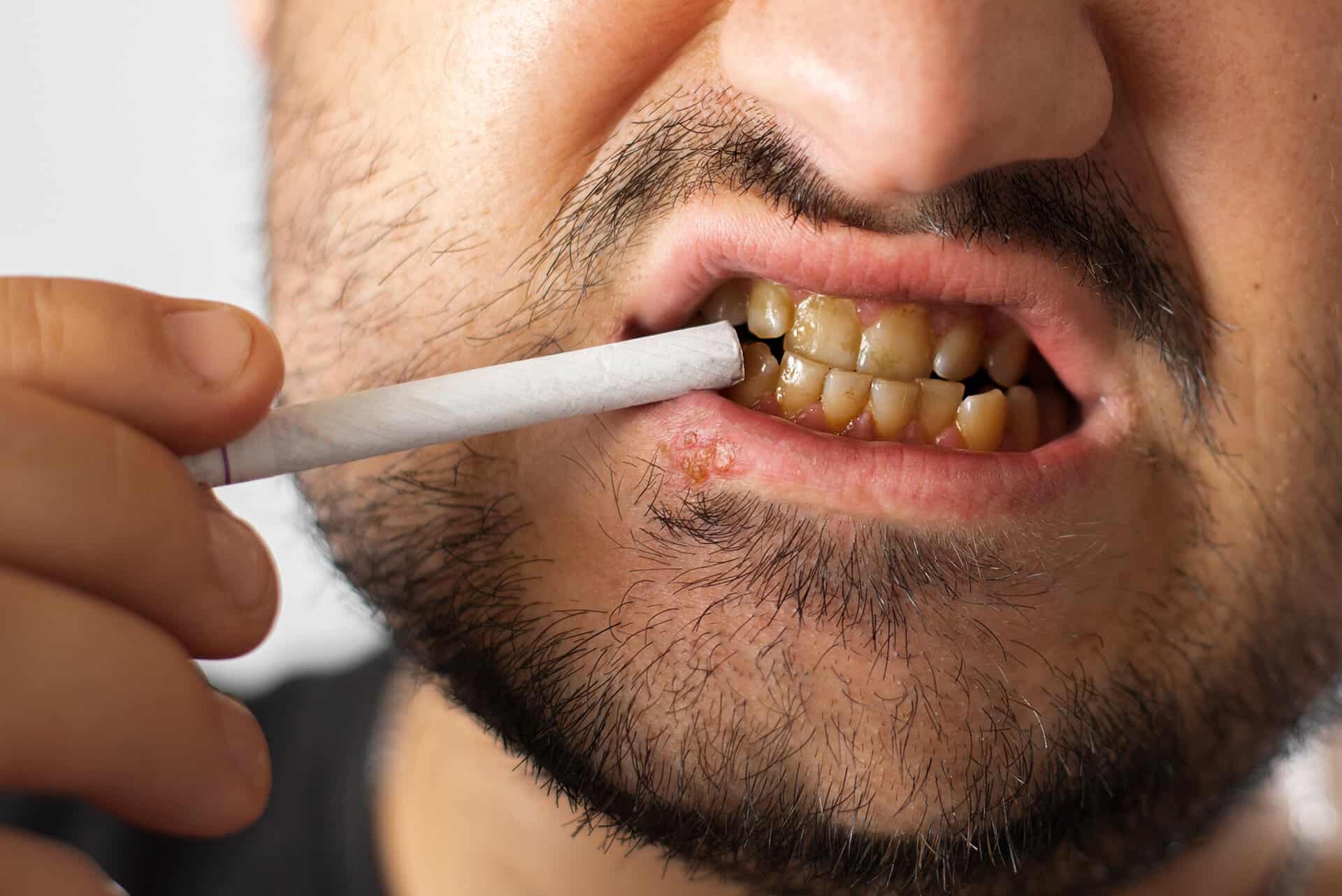
At Clínicas Udemax, the combination of smoking and poor oral hygiene is the most common cause we see in young patients with yellow teeth. Nicotine and tar become lodged in the micro-pores of the enamel, causing yellow and brown stains that become deeper over time. Smokers who have more than 10 cigarettes a day will notice discolouration within 1 to 3 years.
Poor dental hygiene leads to the build-up of plaque and tartar. As bacterial plaque mineralises, it forms yellowish or brown tartar that can no longer be removed with a standard toothbrush. Poor dental hygiene can lead to a build-up of yellowish tartar, and visible tartar can be a sign of poor dental hygiene. The build-up of plaque can increase the risk of tooth decay and gum problems.
A professional dental clean removes surface stains and tartar; it can also improve the shade of your teeth by 1 to 2 shades on the colour chart. Having a professional dental clean every 6 months prevents tartar build-up and maintains gum health.
Our adviceDental Hygiene
Age, genetics and other internal causes of yellow teeth
Some causes of yellowing are not down to the patient’s habits. Natural ageing causes wear and tear on the tooth enamel; over the years, the layers of enamel become thinner, revealing the underlying yellowish dentine. Natural ageing can cause yellowing of the teeth from the age of 40–50, when this process becomes more noticeable.
Genetics influences the colour of teeth and their enamel. Specifically, genetics influence the thickness of the enamel and the colour of the dentine. People with more translucent enamel or darker dentine will have a more yellowish shade from their teenage years onwards, although this does not indicate a health problem.
Tooth enamel wears away over time, exposing the yellowish dentine. In addition to these changes, there are specific factors: trauma can cause internal bleeding and discolouration of a particular tooth; and old root canal treatments, if the canal was not properly sealed, can lead to progressive discolouration. In such cases, treatment may require in-situ bleaching or dental veneers, and should always be planned at the dental practice.
Medicines, fluorosis and diseases: lesser-known causes
Some changes in colour are linked to medical treatments and exposure to fluoride during childhood.
- Tetracyclines: these antibiotics, when administered between 6 months and 6 years of age, cause intrinsic staining ranging from yellowish-grey to deep brown, depending on the dose and duration of treatment. A clinical trial documented that even after three months of whitening with 6–6.5 per cent hydrogen peroxide strips, tetracycline stains improved compared with baseline, although in many cases a permanent solution required restorations.
- Chlorhexidine: mouthwashes containing this antiseptic, when used for several weeks, cause extrinsic brown stains, which can be removed by professional cleaning and polishing.
- Dental fluorosis: dental fluorosis is caused by excessive fluoride intake during childhood (fluoridated water, swallowing toothpaste). It presents as white mottled patches, which may turn yellow or brown depending on the severity.
- Systemic diseases: conditions such as amelogenesis imperfecta, dentinogenesis imperfecta or certain cancer treatments can also permanently alter tooth colour.
These cases require an individual assessment at Clínicas Udemax before teeth whitening or veneers can be recommended. The type of stain determines the entire treatment plan.
Why are my teeth yellow if I brush them properly?
This is the question we are asked most often during our consultations. The answer is that excellent oral hygiene does not ‘whiten’ teeth beyond the patient’s natural shade. If genetics, age or diet have resulted in a yellowish base colour, brushing simply maintains that natural shade and prevents it from getting worse.
Excessive brushing can wear down tooth enamel. A toothbrush with stiff bristles or a toothpaste with a high abrasiveness rating (RDA over 150) thins the protective layer and makes the yellow dentine more visible. Past medication, pre-existing intrinsic stains and biological changes can also cause visible yellowing, even in people with meticulous oral hygiene.
We recommend discussing your brushing technique, the type of toothbrush and the toothpaste you use with a dental hygienist or dentist at Clínicas Udemax. Changing your toothbrush every three months and avoiding brushing immediately after eating very acidic foods are simple adjustments that make a real difference.
Home remedies for whitening yellow teeth: what to do and what not to do
The internet offers dozens of home remedies for teeth whitening. Many of them do more harm than good.
Methods to be avoided:
| Home remedy | Main risk |
|---|---|
| Excessive use of bicarbonate of soda | Enamel abrasion, increased sensitivity |
| Lemon or vinegar | Irreversible acid erosion of enamel |
| Activated charcoal | Microscopic scratches on the surface |
| Toothpastes containing coarse salt | Accelerated enamel wear |
Abrasive home remedies can damage tooth enamel. By eroding the protective layer, the yellowish dentine is, paradoxically, left more exposed, meaning that the medium-term effect is the opposite of what is intended.
Options with limited effectiveness but which are less harmful: over-the-counter whitening toothpastes with a low peroxide content, strips containing 6–10 per cent hydrogen peroxide, and mouthwashes with mild whitening agents. According to a meta-analysis involving 3,780 adults, carbamide peroxide gels used at home lightened teeth compared with a placebo within 2 weeks to 6 months, although the certainty of the evidence was classified as low.
At Clínicas Udemax, we do not recommend home remedies as a substitute for teeth whitening carried out under the supervision of specialists.
Professional teeth whitening at Clínicas Udemax: how to safely whiten yellow teeth
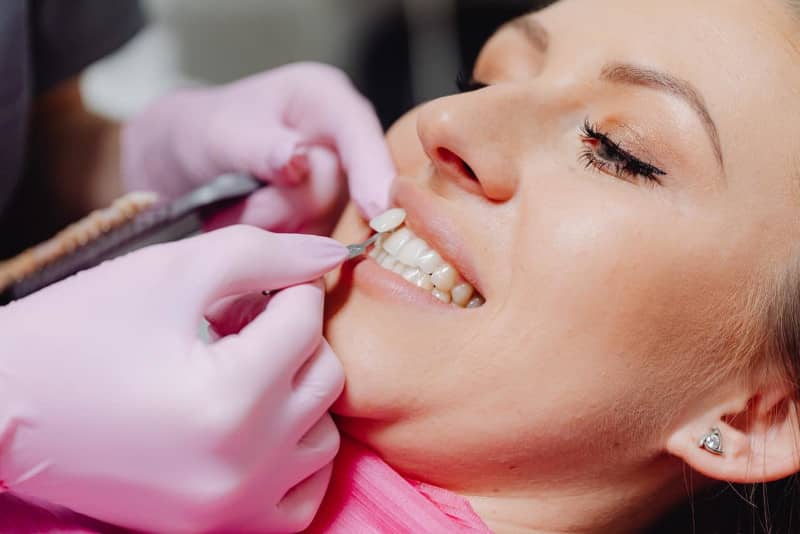
At Clínicas Udemax in Palma, we specialise in cosmetic dentistry and teeth whitening. Before whitening yellow teeth, we carry out a full examination: photographs, a colour assessment (using the Vita Classical scale or a digital spectrophotometer) and a check-up on the condition of the enamel and gums.
Dental whitening treatments usually deliver faster results than over-the-counter products because they use higher concentrations of the active ingredient under controlled conditions. Teeth can be whitened by up to 12 shades in a single session when high-concentration protocols are used with soft-tissue isolation.
Specific advantages of professional teeth whitening compared with home methods:
- Hydrogen peroxide concentrations of 25–40 per cent, adjustable as required.
- Direct sensitivity control during the session.
- Gum protection using resin barriers.
- Professional support and personalised maintenance guidelines.
At Clínicas Udemax, the gel concentration, application times and number of sessions are tailored to each patient’s specific cause and the condition of their enamel.
Types of teeth whitening: in-clinic and at-home
There are three main methods of teeth whitening, and each one serves a different purpose.
In-clinic whitening: a concentrated hydrogen peroxide gel (25–40 per cent) is applied during a 45- to 60-minute session. Laser teeth whitening uses 35–40 per cent hydrogen peroxide. The gums are isolated and dentists use whitening gels specific to each individual case. Recent systematic reviews indicate that light activation (LED or cold laser) does not provide any clinically relevant benefits in terms of colour change, although it does make the process more comfortable.
At-home whitening with custom-made trays: following the taking of impressions or a digital scan, bespoke trays are manufactured. The patient applies 10–16 per cent carbamide peroxide gel for several hours a day or overnight, for a period of 2 to 4 weeks. Studies show that, with prolonged use, low concentrations can be just as effective as high ones.
Combined treatment (clinic + home): this is the most comprehensive option for teeth with severe yellowing. An initial session at the clinic, followed by the use of trays at home, results in greater colour stability after 6–12 months.
Our adviceDuring the whitening process
Dental veneers and other cosmetic solutions for severe cases
When the colour does not improve sufficiently with whitening, restorative alternatives are considered. Dental veneers are a solution for severe staining: they consist of ultra-thin layers of porcelain or composite that cover the visible surface of the tooth, improving its colour, shape and size in a single procedure.
Cases in which veneers are recommended:
- Deep intrinsic staining caused by tetracyclines (grade 3, dark grey).
- Severe fluorosis with structural defects.
- Teeth with large fillings in the front that prevent a uniform shade.
- Fractures or deformities requiring cosmetic correction.
Porcelain offers greater resistance to staining and lasts between 10 and 15 years with proper care. Composite is slightly cheaper and quicker to fit, but may require periodic polishing. In extreme cases involving severely damaged teeth, full-ceramic crowns are the alternative.
At Clínicas Udemax, we design a personalised smile, taking into account the patient’s face, age and expectations. First, the teeth are whitened to establish a reference shade, and then veneers are made to match that shade.
We'll evaluate your case at no cost at any of our three clinics in Palma
Schedule your first free consultationHabits to prevent your teeth from turning yellow
The success of any treatment also depends on home care. Preventing tooth staining involves reducing exposure to pigmented foods and drinks; limiting your intake of coffee and red wine helps prevent tooth staining in the long term.
Specific guidelines:
- It is essential to brush your teeth for at least two minutes after every meal. Brushing your teeth twice a day is essential for good oral hygiene; three times a day is ideal.
- Use fluoride toothpaste and floss or a water flosser every day.
- Giving up smoking helps prevent yellow stains on your teeth. Avoiding smoking helps keep your teeth whiter and reduces the risk of gum disease.
- Include fibrous fruit and vegetables (apples, raw carrots, celery) in your diet; they act as natural, gentle abrasives that clean the surface of the teeth.
- Regular visits to the dentist are important for overall dental health. Book check-ups at Clínicas Udemax every 6 to 12 months to detect any problems and maintain your dental health.
Treatment for yellow teeth in Mallorca: why choose Clínicas Udemax
Clínicas Udemax is a network of clinics in Mallorca specialising in comprehensive cosmetic dentistry. Our website uses cookies to improve your browsing experience and to personalise the information we provide to each visitor.
Before recommending any treatment, we carry out a personalised assessment of the causes of yellow teeth: colour measurement using a spectrophotometer, clinical photography, a review of medical history and an analysis of habits. This initial, free assessment determines whether the severity of the case requires teeth whitening, a professional clean, dental veneers or a combination of several of these options.
Benefits for patients at Clínicas Udemax:
- Planning in stages, with a clear quote from the very first appointment.
- Post-treatment follow-up with maintenance sessions when the skin tone begins to darken.
- It is possible to combine teeth whitening with other cosmetic dental treatments (veneers, composite fillings, orthodontics).
- State-of-the-art technology: low-heat LED lamps, custom-made splints, high-quality ceramic materials.
If you’re looking to restore the whiteness of your smile, book an appointment at any of the Clínicas Udemax in Palma so that a specialist can assess your specific case and draw up a personalised plan.
Frequently asked questions about yellow teeth and teeth whitening
At what age can you safely have your teeth whitened?
It is recommended to wait until the age of 16–18, when the permanent teeth and dental pulp are fully formed. In children under this age, the inside of the tooth is still developing and standard concentrations of peroxide may cause excessive sensitivity. At Clínicas Udemax, we never commence teeth whitening on adolescents without a thorough assessment; in such cases, we consider more conservative alternatives such as enhanced oral hygiene, polishing or microabrasion.
How long do the results of teeth whitening last?
The results last between 1 and 3 years, depending on the patient’s habits. People who smoke, drink coffee daily or consume red wine frequently will notice the colour fading sooner. At Clínicas Udemax, shorter and gentler maintenance sessions can be carried out when the shade begins to darken. Following the prevention advice (reducing pigmented foods and drinks, correct brushing, and six-monthly cleaning) significantly prolongs the effect.
Does teeth whitening hurt or damage the enamel?
Professional teeth whitening is safe for tooth enamel when using CE-certified products with controlled concentrations. Temporary tooth sensitivity can be a common side effect of whitening; it usually lasts between 24 and 72 hours and can be managed with desensitising gels and specialised toothpastes. At Clínicas Udemax, the gel concentration and exposure time are adjusted to minimise discomfort for each patient.
Can I have my teeth whitened if I have fillings, crowns or veneers?
Teeth whitening only lightens the natural tooth; restorative materials (composite, ceramic, amalgam) do not change colour with the gel. In most cases, the whitening treatment is planned first, and visible fillings or veneers are then replaced to match the final shade. At Clínicas Udemax, we assess the entire smile before deciding on the best sequence of treatment, to avoid colour differences between natural teeth and restorations.
How often should I have a professional teeth clean if I’m prone to yellow teeth?
As a general recommendation, a cleaning every 6 months for patients with more staining from coffee or tobacco, and every 12 months for those at lower risk. The exact frequency is determined following an assessment of each patient’s gums, tartar build-up and habits. Good prophylaxis is the first step in any treatment to whiten yellow teeth at Clínicas Udemax: without a clean base, no whitening treatment will deliver its full potential.