How to look after your teeth: a comprehensive guide
En este artículo
- Why is it so important to look after your teeth every day?
- Proper brushing: the foundation of dental care
- Interdental hygiene: dental floss, interdental brushes and mouthwash
- The role of fluoride and choosing toothpaste
- Food and habits that protect (or damage) your teeth
- Regular servicing and professional cleaning in Mallorca
- Dental care in special circumstances: children, orthodontics, dentures and the elderly
- Your daily dental care routine with our help
Why is it so important to look after your teeth every day?
Good dental health allows you to chew, speak and smile with confidence at any age. However, many people are unaware that neglecting their oral health can lead to problems that go far beyond simple tooth decay: oral health is directly linked to cardiovascular disease, diabetes and even athletic performance.
At Clínicas Udemax, in our dental clinics across Mallorca, we see every day how a simple routine can prevent most dental problems. Imagine a family in Palma who, in 2026, decide to review their oral hygiene habits: they start flossing at night, switch to a toothpaste with the right amount of fluoride and book check-ups every six months. Within a few months, visits to the dentist go from being emergencies to simple preventive check-ups.
This article focuses on the cornerstones of daily dental care: brushing, flossing, diet and regular check-ups. Because looking after your teeth isn’t just about appearance; it’s about your quality of life.
Proper brushing: the foundation of dental care
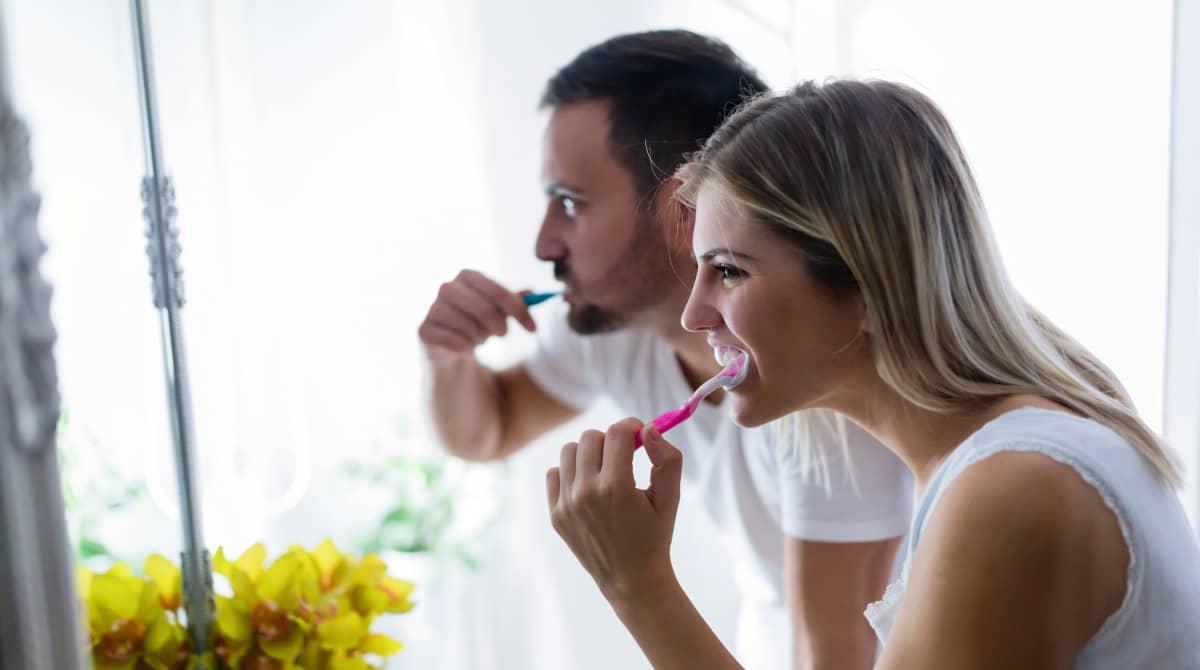
Brushing remains the most important step in keeping your teeth and gums healthy. Proper brushing removes up to 70% of bacterial plaque, but only if done correctly.
- Brush your teeth at least twice a day, ideally three times: after breakfast, after your main meal and before going to bed.
- Spend 2 to 3 minutes on each session, taking your time.
- Use gentle, circular movements, holding the toothbrush at a 45-degree angle to the gum line.
- Do not press too hard: excessive pressure wears away the enamel and can cause gum recession.
- Choose a toothbrush with soft or medium bristles, whether manual or electric (both are effective if used correctly).
- Change your toothbrush every 3–4 months, or after having the flu or another respiratory infection.
- Don’t forget your tongue: brushing it with back-and-forth movements reduces the bacteria that cause bad breath.
At Udemax Clinics, we recommend reviewing your brushing technique with the dental hygienist at every professional cleaning. Many patients discover that they have been brushing incorrectly for years without realising it.
Interdental hygiene: dental floss, interdental brushes and mouthwash
A toothbrush cannot reach every part of the mouth. In fact, 40% of tooth surfaces remain uncleaned, and it is precisely there that more than 60% of interproximal cavities in Spain originate; that is why interdental cleaning is key to preventing cavities and gum disease.
- Dental floss should be used every day, preferably in the evening. It should be guided in a ‘C’ shape around each tooth to remove plaque from beneath the gumline.
- Interdental brushes are ideal for wider spaces, and for patients with braces, implants or receding gums. They come in different sizes to suit each person’s individual anatomy.
- Mouthwash is a supplement, never a substitute for brushing or flossing. It is recommended that you use it 1–2 times a day for around 30 seconds.
- Choose a mouthwash to suit your needs: an antiseptic one after dental treatment, one containing fluoride to prevent tooth decay, or an alcohol-free one if you suffer from tooth sensitivity or a dry mouth.
At Udemax Clinics, we assess each patient’s oral anatomy to recommend the most suitable interdental care system. Mixing too many products without professional advice can reduce their effectiveness or cause irritation.
The role of fluoride and choosing toothpaste
Fluoride strengthens tooth enamel, making it more resistant to the acids produced by bacteria. Studies suggest that toothpastes containing more than 1,000 ppm of fluoride can prevent up to 24% of cavities in adults.
- For adults, toothpaste containing at least 1,450 ppm of fluoride is recommended.
- In children, the concentration should be adjusted according to age and the risk of tooth decay (always on the advice of a dentist to avoid fluorosis).
- There are toothpastes designed for specific needs: sensitive teeth, sensitive gums, anti-tartar, whitening, or for those wearing braces.
- Strong whitening toothpastes are not always the best option: some contain abrasive particles that can damage the enamel, particularly in patients with enamel wear or recession.
- Avoid toothpastes with a high abrasiveness rating (RDA over 150) if you have sensitive teeth.
At Udemax Clinics, we tailor our toothpaste recommendations after checking for cavities, sensitivity and gum health at every appointment, as part of our philosophy of preventive dentistry aimed at maintaining a healthy smile.
Food and habits that protect (or damage) your teeth
Sugars and acids are the main enemies of tooth enamel. Bacteria in the mouth break down sugars and produce acids that demineralise teeth within just 5–10 minutes of each exposure.
What is harmful to oral health:
- Sugary soft drinks and energy drinks (pH between 2.5 and 3.5).
- Commercial fruit juices, especially when consumed between meals.
- Frequency matters more than quantity: more than four exposures to sugar a day increases the risk of tooth decay fivefold.
- Highly acidic foods (citrus fruits, vinegars, fizzy drinks): wait 20–30 minutes before brushing your teeth to avoid damaging the softened enamel.
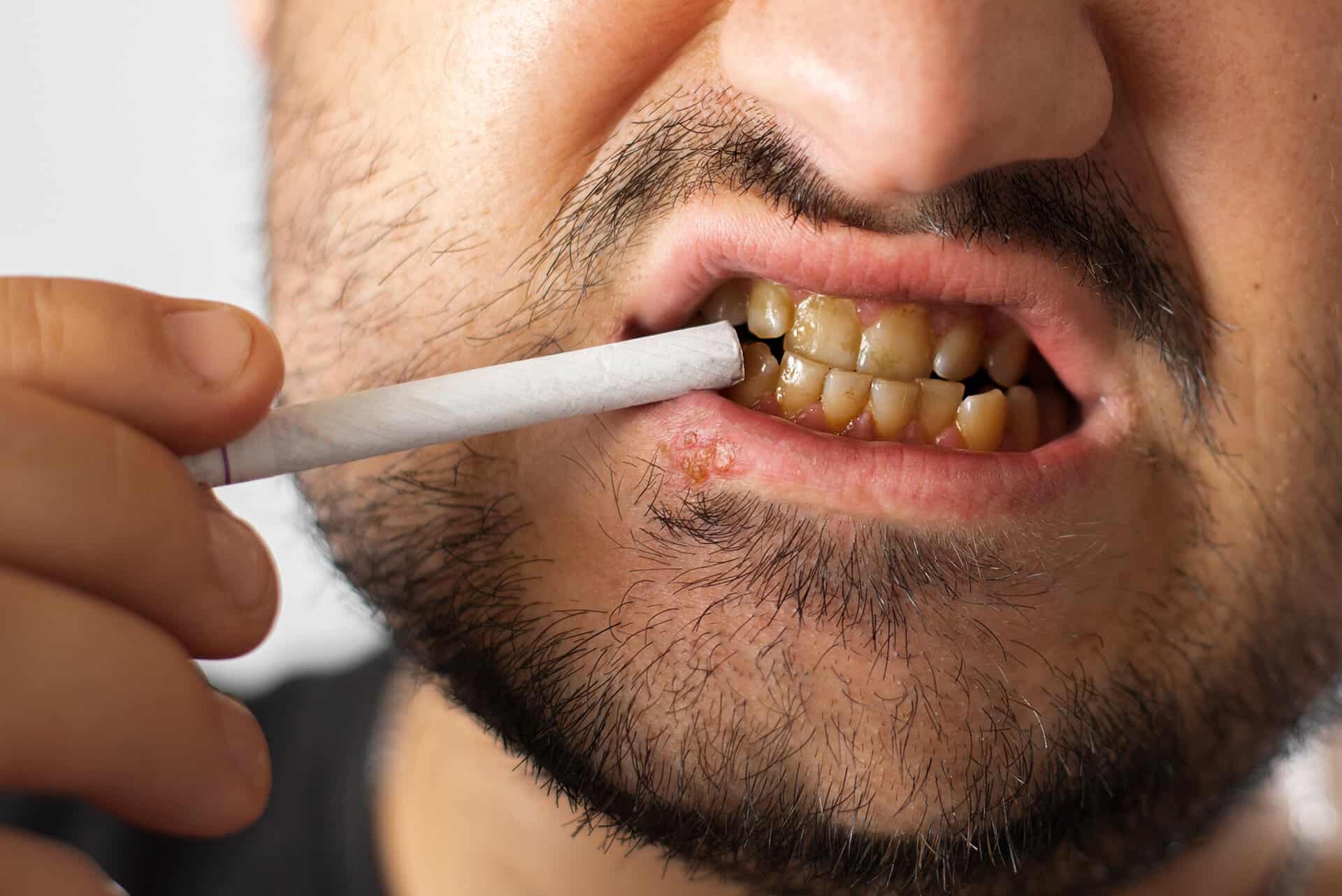
- Tobacco and alcohol: they stain the teeth, contribute to gum disease and increase the risk of oral cancer, particularly in people over the age of 40.
- Vaping and e-cigarettes: they contain irritants that promote the build-up of plaque.
What promotes healthy teeth:
- Dairy products rich in calcium and nutrients, such as cheese, which helps balance the pH in the mouth.
- Water as the main drink.
- Fresh fruit and vegetables that encourage chewing and increase saliva production.
In addition to these habits, a professional dental clean-up in Mallorca helps to remove tartar and stains that daily brushing cannot reach, thereby improving gum health.

Regular servicing and professional cleaning in Mallorca
Prevention is always cheaper and less of a hassle than treating advanced problems. Regular check-ups can prevent up to 80% of tooth extractions.
- Visit the dentist every six months, or at least once a year, even if you have no pain or obvious symptoms.
- During a routine check-up at Udemax Clinics, the following are examined: early-stage tooth decay, gum health, tooth wear, bite alignment, oral mucosa and any signs of oral cancer.
- Professional dental care includes the removal of tartar (which cannot be removed by brushing at home), the removal of surface stains, tooth polishing and the application of high-concentration fluoride.
At Udemax Clinics, dental check-ups enable us to detect any problems at an early stage and plan personalised treatment plans.
- In Mallorca, we see many cases of stress-related bruxism. This is also assessed during check-ups, and a bite splint may be recommended.
Check-ups allow us to tailor the care plan to each stage of life: childhood, pregnancy, adulthood and old age. At Clínicas Udemax, we support our patients over the long term, adapting our recommendations as their overall health changes.
Dental care in special circumstances: children, orthodontics, dentures and the elderly
Not every mouth needs exactly the same thing. There are different stages and treatments that require specific care to prevent problems.
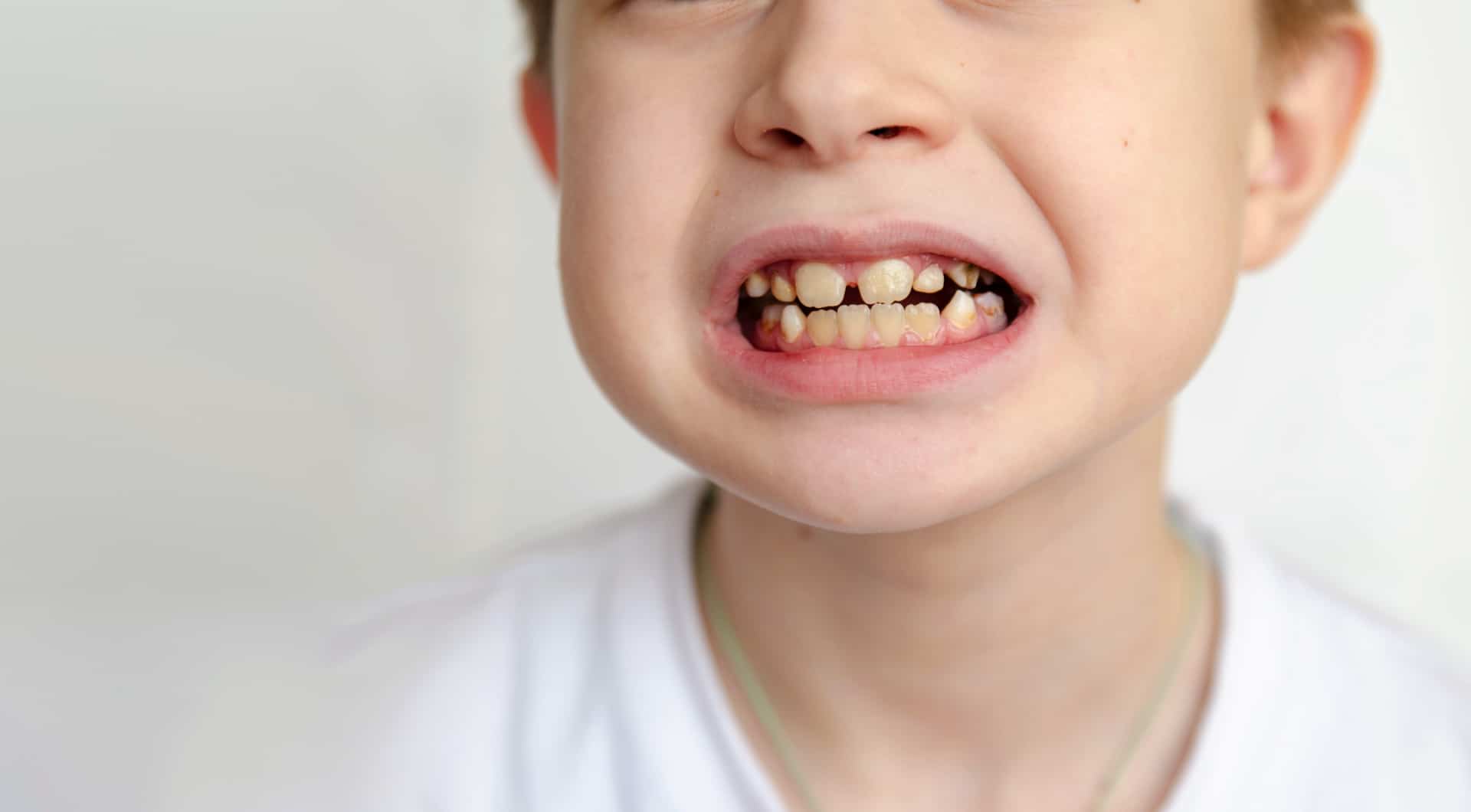
- Children: It is important to have their teeth checked from the age of 5–6. Fissure sealants prevent up to 80% of cavities in molars. Brushing should be supervised until the age of 8–9, and bottle tooth decay should be monitored by avoiding sugary drinks at night, ideally with the support of a specialist paediatric dentistry service.
- Orthodontics (braces): Brushing must be more thorough. It is essential to use interdental brushes daily and to choose suitable toothpaste and mouthwash. Without good oral hygiene, 50% of patients develop white spots on their enamel.
- Dental implants, crowns and bridges: Interdental hygiene is essential. Regular X-rays are recommended to detect bone loss or other problems that are not visible to the naked eye.
In the case of young children, proper monitoring and treatment of childhood tooth decay helps to prevent future complications and more invasive treatments.
- Removable dentures: Clean them daily using specialised products; never use abrasive toothpaste. Store them in a dry place or in a cleaning solution as instructed, and do not sleep in them unless advised to do so.
- Older people and patients on multiple medications: Dry mouth is a common side effect of certain medications. It is recommended that you drink water frequently, avoid tobacco and alcohol, and consult your dentist about moisturising gels or artificial saliva.
Similarly, it is essential to start dental care for babies as early as possible so that they can grow up with a healthy mouth from the moment their first teeth appear.
At Udemax Clinics, we carry out a comprehensive assessment of the patient’s medical condition in order to tailor these recommendations to each individual case.
Your daily dental care routine with our help
Knowing how to look after your teeth properly boils down to five key points: brushing using the correct technique, daily flossing, using the right fluoride, eating a diet that protects your enamel, and regular check-ups with your dentist. These habits, when maintained over time, make all the difference between a healthy mouth and one with preventable problems.
We invite you to take a look at your current routine and make at least one small change starting today. Perhaps it’s time to floss tonight or book that check-up you’ve been putting off for months. Even if you follow the advice at home, regular check-ups with your dentist are key to keeping your smile healthy in the long term.
In 2026, you have the chance to start taking a holistic approach to your oral health. Book a check-up or scaling and polishing appointment at any of our dental clinics in Mallorca. Your future self will thank you for it.