Oral Cancer and its Prevention
En este artículo
- What is oral cancer and who does it affect?
- Warning signs and symptoms
- Main causes of oral cancer
- Risk factors: what increases the likelihood of oral cancer
- Preventing oral cancer: what you can do starting today
- Dental check-ups and early diagnosis at Udemax Clinics
- Living with risk factors: a personalised plan in Mallorca
- The importance of acting promptly
Oral cancer is a malignant tumour that affects the tissues of the oral cavity. Prevention starts with recognising risk factors and having regular check-ups with your dentist. In Spain, approximately 8,000 cases of oral cancer are diagnosed each year, and the most worrying aspect is that 75% are detected at an advanced stage, when the prognosis and treatment options become considerably more complicated.
At Clínicas Udemax, our dental clinics in Mallorca, we treat patients every year with oral lesions that could have been identified much earlier through a simple routine dental check-up in Mallorca. Early diagnosis increases the survival rate to 80%, compared to 35% in advanced stages. The aim of this article is to provide you with clear and practical guidelines to reduce your risk of developing cancer, recognise warning signs and know when to seek medical advice.
What is oral cancer and who does it affect?
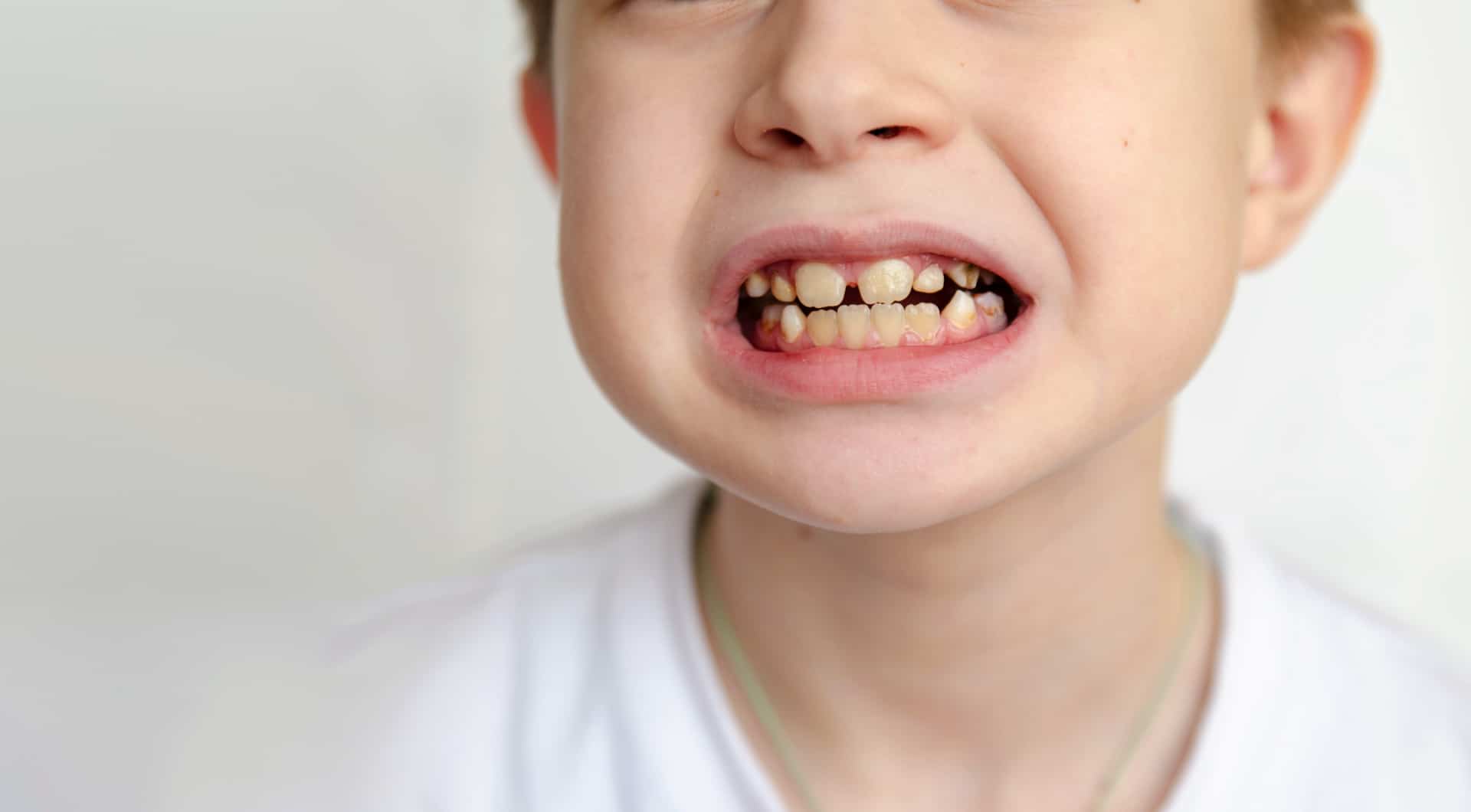
Oral cancer is a malignant tumour that can develop on the tongue, lips, gums, cheeks, palate and floor of the mouth. Most of these tumours are squamous cell carcinomas, which means they originate in the flat cells that form the lining of the oral mucosa.
In Spain, and specifically in the Balearic Islands, this disease is most common in people over the age of 45–50. However, its incidence is rising among young adults due to changes in lifestyle habits such as smoking, alcohol consumption and HPV infection. Traditionally, it has affected men more, although the difference between the sexes is gradually narrowing.
A typical example would be a sore on the side of the tongue that does not heal after several weeks. Such situations require immediate professional assessment.
Warning signs and symptoms
Detecting symptoms in the first few weeks drastically improves the prognosis and allows for less aggressive treatments. The difference between acting in time and not doing so can mean the difference between minor surgery and needing a combination of chemotherapy and radiotherapy.
The most important signs to look out for include: a sore that does not heal within two weeks; persistent white patches known as leukoplakia or red patches known as erythroplakia; a lump or thickening anywhere in the mouth; persistent pain with no apparent cause; difficulty swallowing; a sensation of a foreign body; bleeding for no clear reason; changes in the voice such as prolonged hoarseness, and numbness of the lips or tongue.
If you notice a sore on the side of your tongue that hasn’t healed within two weeks, and if it remains the same or gets worse after 14 days, make an appointment straight away. We recommend that you check your mouth in front of a mirror once a month, in good light, examining your tongue, gums, cheeks, palate and the floor of your mouth for any persistent white or red patches or any asymmetry.
When should you see your dentist or doctor?
Any sore, lump or patch that does not improve within 14 days should be assessed by a healthcare professional. You should make an urgent appointment if you experience pain when swallowing, difficulty moving your tongue or bleeding for no apparent reason.
At Udemax Clinics, we offer specialist oral mucosa check-ups, which are particularly recommended for smokers, former smokers and patients with a history of cancer. Please contact us by phone to book your appointment.
Seeking medical attention early does not necessarily mean it is cancer. Most sores are mouth ulcers or caused by injury. However, it allows precancerous lesions to be ruled out or treated in good time, and that makes all the difference to the final outcome.
Main causes of oral cancer
Cancer occurs when mutations take place in the DNA of cells in the oral mucosa, causing them to multiply uncontrollably. These mutations are mainly linked to habits such as tobacco and alcohol use, infections such as human papillomavirus, ultraviolet radiation and other environmental factors, many of which can be addressed through appropriate preventive dentistry.
Most mouth tumours originate in squamous cells that have been continuously exposed to chemical and physical irritants. For example, tobacco and alcohol repeatedly damage the mucous membrane, causing chronic inflammation that promotes the development of malignant cellular changes.
A single cause is not always identified, but there is evidence that a combination of factors significantly increases the risk of cancer.
Risk factors: what increases the likelihood of oral cancer
Understanding the risk factors enables you to make informed decisions about how to reduce them. The main risk factors are: tobacco use in all its forms, frequent alcohol consumption, HPV infection, excessive sun exposure on the lips, poor oral hygiene, poorly fitting dentures, poor nutrition and a weakened immune system.
Some factors can be changed and others cannot (such as age or genetics), but the prevention of oral cancer focuses on those that we can influence. At your first appointment at Udemax Clinics, we always ask about these factors so that we can tailor the frequency of check-ups to each patient.
Tobacco in all its forms
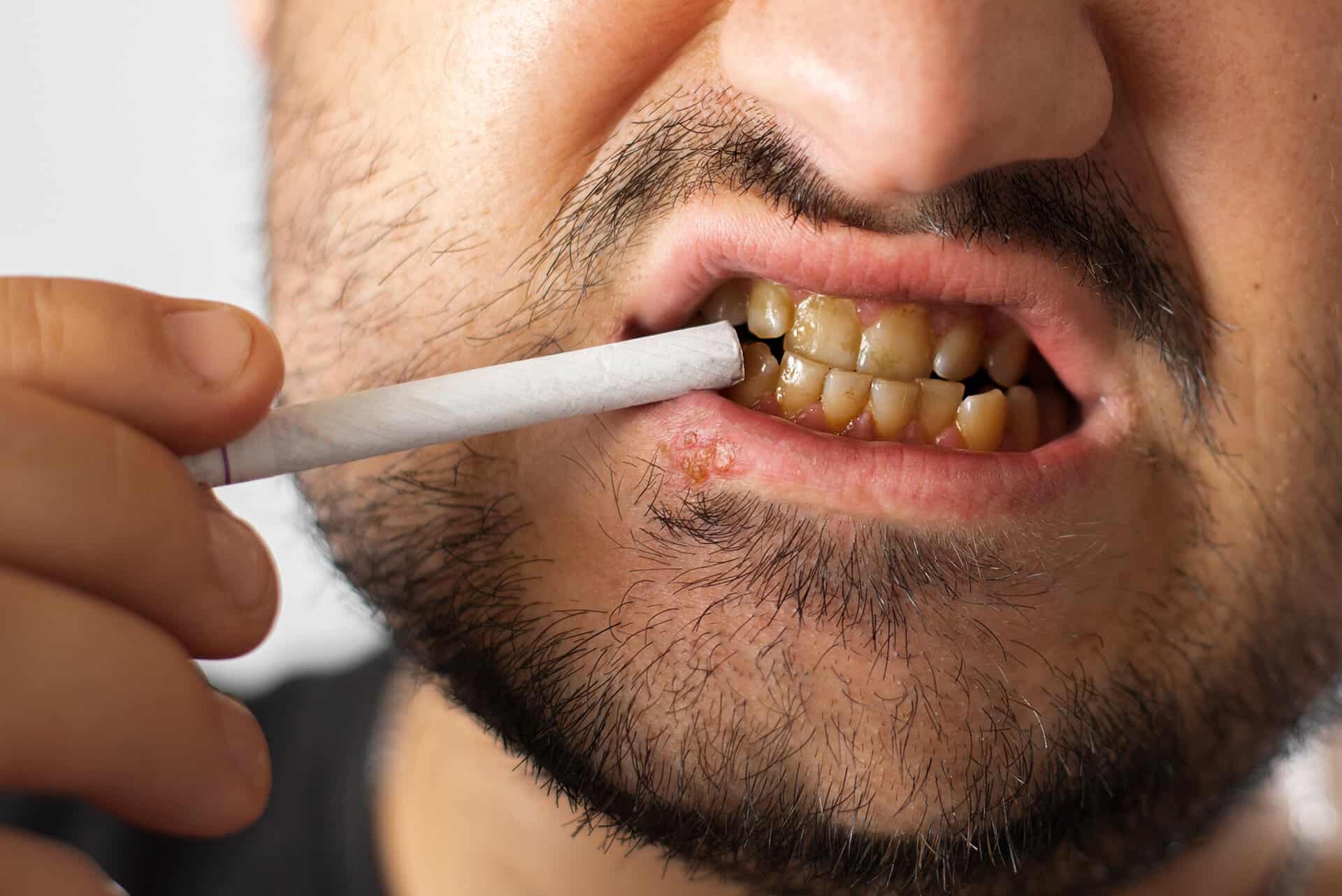
Cigarettes, cigars, rolling tobacco, pipe tobacco and chewing tobacco significantly increase the risk of mouth and oropharyngeal cancer. A heavy smoker who has smoked more than 20 cigarettes a day for decades may have a 5- to 7-fold higher risk than a non-smoker.
Second-hand smoke also plays a role, particularly when exposed over a long period. The good news is that giving up smoking gradually reduces the risk, bringing it closer to that of a non-smoker after 10–15 years of not smoking. If you need help, speak to your doctor about smoking cessation programmes.
Alcohol consumption
Alcohol irritates the lining of the mouth and acts as a solvent, making it easier for carcinogens in tobacco to enter the body. The risk increases particularly with daily consumption, for example, consistently drinking more than 2–3 units of alcohol a day.
The combination of tobacco and alcohol increases the risk by up to 30 times compared to each factor on its own. For reference, a glass of wine, a pint of beer or a shot is roughly equivalent to one standard unit. European guidelines recommend a maximum of one standard unit per day for women and two for men, and not every day.
Sun exposure on the lips
Ultraviolet radiation from the sun is a major cause of lip cancer, particularly among people who work outdoors: farmers, sailors, hospitality staff working on outdoor terraces, and athletes.
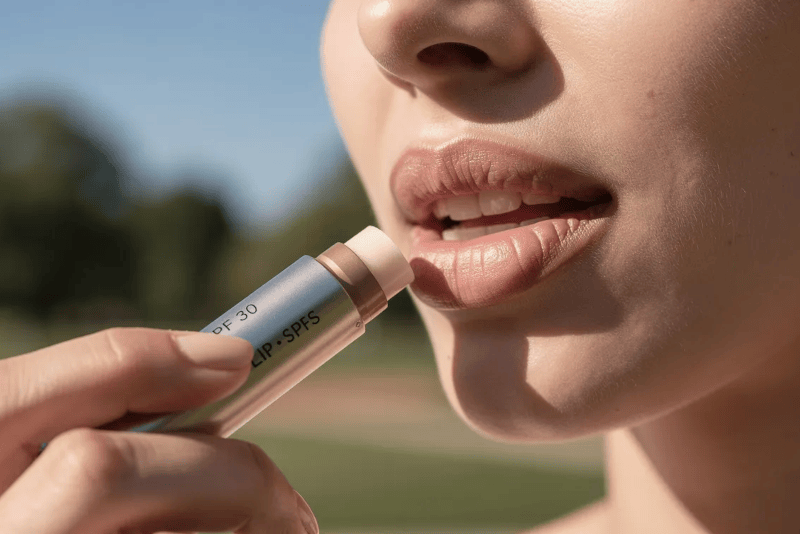
In Mallorca, with over 2,500 hours of sunshine a year, lip protection is particularly important. Use lip balms with SPF 30 or higher every day and wear wide-brimmed hats during the middle of the day. You should also avoid using sunbeds, as they unnecessarily increase your exposure to UV radiation.
Human papillomavirus (HPV) infection
Certain types of HPV, particularly HPV 16, are linked to oropharyngeal cancer (affecting the tonsils and the base of the tongue) in young adults. Transmission usually occurs through oral sex, and the use of condoms and oral barriers reduces the risk of infection.
The HPV vaccine, which has been included in the Spanish vaccination schedule for several years for girls and boys aged around 12, helps to prevent these tumours in the medium and long term, with 90% efficacy against oncogenic types. In young adults, vaccination may be considered following an individual medical assessment.
Other factors: age, the immune system, nutrition and oral health
The risk increases from the age of 50–55, but symptoms in younger people should not be overlooked. Patients with HIV, those who have undergone transplants, or those on immunosuppressive treatments are a high-risk group who require oral check-ups every 3–6 months.
Diets low in fruit and vegetables and high in ultra-processed foods are associated with an increased risk of head and neck cancer. Finally, poorly fitted dentures, rough fillings and sharp edges that cause repeated chafing can lead to chronic irritation, which increases the likelihood of lesions developing; therefore, proper conservative dentistry in Mallorca is key to keeping teeth and oral mucosa in good condition.
Preventing oral cancer: what you can do starting today
There is no sure-fire way to prevent it, but you can significantly reduce your risk by changing your habits. Cancer prevention is based on three key areas: a healthy lifestyle (smoking, alcohol, sun exposure, diet), good oral hygiene and regular dental check-ups, and HPV vaccination.
Many changes are simple and can be incorporated into your daily routine within a few weeks. At Udemax Clinics, we support patients with personalised guidance tailored to their individual risk factors. Thanks to this approach, we make cancer prevention an achievable goal.
Give up smoking and cut down on alcohol
Giving up smoking completely is the most effective measure. The benefits begin within the first few weeks of quitting, with an improvement in the oral mucosa and a gradual reduction in risk.
Seek professional help: your GP can refer you to smoking cessation programmes that include behavioural therapy and, where appropriate, medication such as varenicline or bupropion. As for alcohol, gradually cut down until you only drink occasionally. Swap your evening drink for herbal teas, sparkling water or non-alcoholic drinks.
Watch what you eat and maintain a healthy weight
Follow a Mediterranean diet rich in fruit, vegetables, pulses, whole grains, fish and extra virgin olive oil. In Mallorca, you can enjoy excellent local produce: a salad with tomatoes and olive oil, grilled fish and fresh fruit for dessert.
Limit your intake of processed meats, sausages, industrial pastries and sugary soft drinks. A healthy diet not only helps prevent oral cancer, but also supports your overall cardiovascular and metabolic health.

Protect your lips and skin from the sun
Use a lip sunscreen with SPF 30 or higher every day, reapplying it every two hours if you are outdoors or at the beach. In Mallorca, avoid direct exposure between 12:00 and 16:00 in spring and summer.
Wear wide-brimmed hats, caps and approved sunglasses when working or playing sport outdoors. Protecting the skin on your face and neck also reduces your overall risk of skin cancer.
HPV prevention: vaccination and safe sex
The HPV vaccine is included in the childhood and adolescent vaccination schedule in Spain, usually around the age of 12. If you have children, speak to your paediatrician or GP about their vaccination if they haven’t been vaccinated yet.
The consistent use of condoms and latex barriers during sexual intercourse, including oral sex, significantly reduces the risk of transmission. Although the vaccine does not cover all types of HPV, it protects against the high-risk subtypes associated with oropharyngeal tumours.
Oral hygiene and self-examination at home
Brush your teeth at least twice a day with fluoride toothpaste and floss or use interdental brushes daily, supplementing these habits with regular professional dental cleanings in Mallorca. This basic routine keeps your mouth in top condition.
For your monthly self-examination, stand in front of a mirror in good light and systematically check: the inside and outside of your lips, the inside of your cheeks, your tongue (sides and underside), your gums, the roof of your mouth and the floor of your mouth. Look for sores, lumps, changes in colour, rough patches, bleeding and any asymmetry. This practice is not a substitute for a professional check-up, but it helps to detect changes between visits.
Dental check-ups and early diagnosis at Udemax Clinics
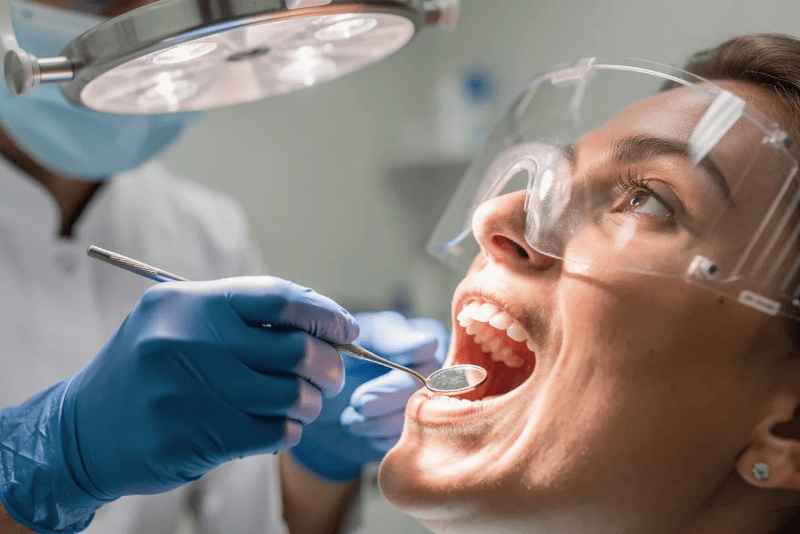
Dentists are often the first professionals to detect suspicious lesions during routine check-ups. That is why we recommend a full dental check-up at least once a year, and every six months for patients at risk.
At Udemax Clinics, the examination includes a thorough check of the teeth, gums and oral mucosa, palpation of the tongue, floor of the mouth and cervical lymph nodes, and an examination of the lips, larynx and oropharynx. If we detect any suspicious lesions, we liaise with specialists in oral and maxillofacial surgery to arrange further investigation via biopsy or imaging tests. You can find more information about our services on our website.

Dental prostheses and necessary adjustments
Poorly fitting dentures can cause chafing and chronic sores on the mucous membrane, increasing the risk of precancerous lesions. That is why regular check-ups to ensure a proper fit are necessary.
See your dentist if a new denture causes pain, sores or consistently puts pressure on the same area. At Udemax Clinics, we check the fit, polish the dentures and, if necessary, replace them to eliminate pressure points. Keeping your dentures and the underlying gum tissue clean reduces the risk of inflammation and infection.
Living with risk factors: a personalised plan in Mallorca
Many people are unable to eliminate all risk factors. For example, patients on immunosuppressive treatment following a transplant remain at high risk permanently. However, they can minimise the consequences with proper monitoring.
At Udemax Clinics, we draw up a follow-up plan tailored to each individual’s circumstances: a long-term smoker may need appointments every six months, whilst someone with a history of oral cancer requires check-ups every three to four months. We work in close collaboration with other specialists (GPs, oncologists, ENT specialists) to provide a holistic approach focused on the lives and wellbeing of our patients in Mallorca.
The importance of acting promptly
The key steps to reducing the risk of oral cancer are clear: give up smoking, drink alcohol in moderation, protect yourself from the sun, eat a healthy diet, maintain good oral hygiene and attend regular check-ups. Any sore or patch in the mouth that does not improve within two weeks should be assessed by a healthcare professional.
If you live in Mallorca and have one or more risk factors, we invite you to book a check-up at Clínicas Udemax. Early detection of cancer saves lives and allows for simpler, less invasive treatments. A simple check-up can make the difference between a favourable diagnosis and a complicated one. Don’t put it off: your oral health is an investment in your future wellbeing.