Dental diastema: what it is, causes, types and how to close it (with and without orthodontic treatment)
Having gaps between your teeth is more common than it seems. Some people see it as an aesthetic feature, but for others it can be a source of self-consciousness or even a functional problem. We call this gap between the teeth a diastema, and it can occur in both milk teeth and permanent teeth at different stages of life.
To make it easier to read, this article is divided into different sections, including a table of contents to help you navigate the topics covered: from the causes of a diastema, the most common types, when it is normal (for example, in children) and what treatments are available to close it, ranging from orthodontics to composite fillings or veneers.
What is a dental diastema?
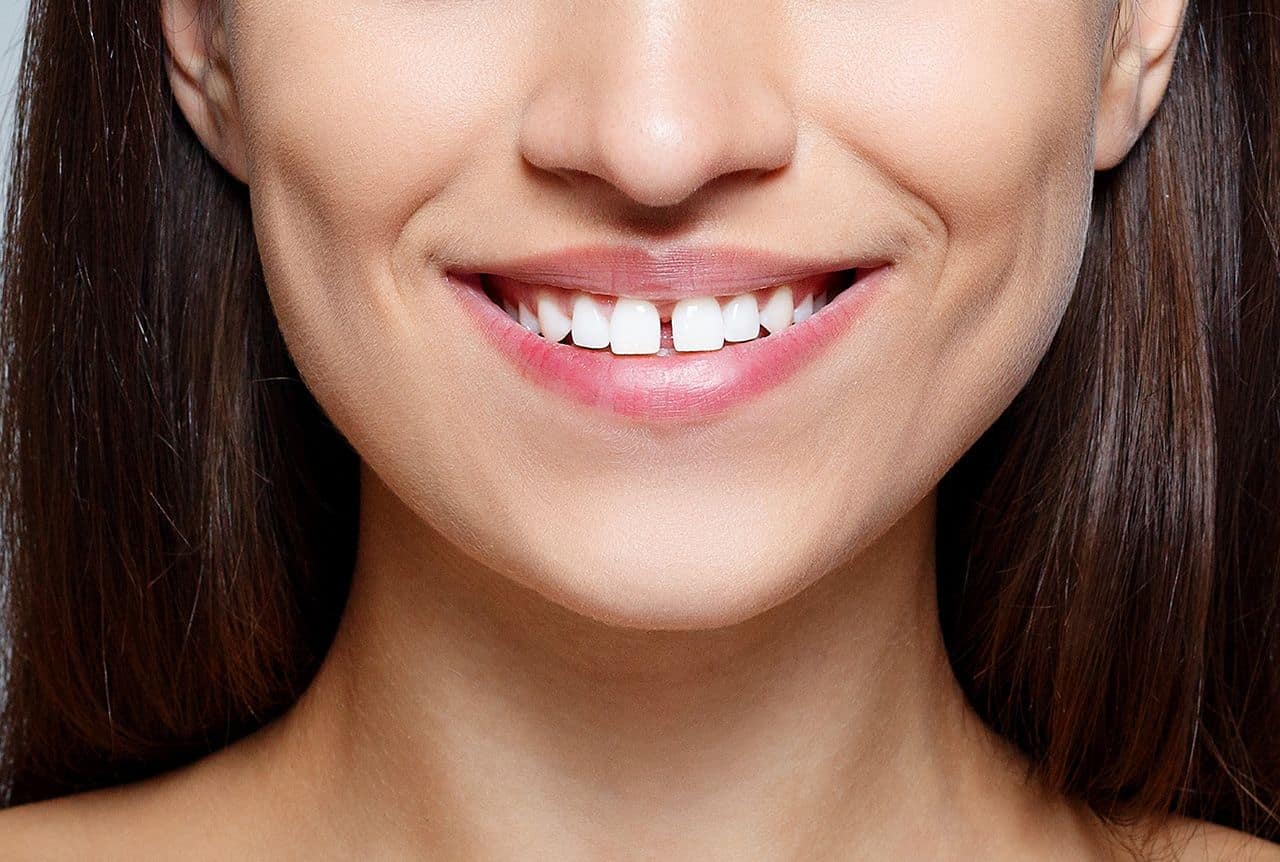
A diastema is an abnormal gap or space between two teeth, also known as ‘gaps between the teeth’. It is usually found between the upper central incisors, also known as ‘front teeth’ or ‘central incisors’, and significantly affects the appearance of the smile. This gap between the central incisors may be caused, amongst other factors, by a disproportion between the size of the teeth and the jawbone. A diastema can appear at the front (very common between the upper central incisors) or between any other pair of teeth.
Is it always a problem?
It depends:
- It may simply be a cosmetic issue, as a diastema—particularly between the upper central incisors—is a common cosmetic concern that can affect the appearance and aesthetics of a smile. This influences how the smile is perceived and can affect self-esteem; for some people it is an attractive feature, whilst for others it can be a source of insecurity.
- It may interfere with chewing or pronunciation
- It may be linked to problems with the bones, gums or bite, affecting oral health and the overall health of the mouth, as it can lead to plaque build-up, gum irritation or functional problems.
When gaps start to appear gradually, it usually indicates that something is wrong (bone loss, a frenulum, tooth movement, habits, etc.).
Symptoms: how can you tell if you have a diastema?
In addition to the visible gap, a diastema may be a sign of anatomical abnormalities or poor habits. The following may also occur:
- Food particles get stuck between your teeth easily
- A build-up of plaque, which can lead to gum problems and irritation if left unchecked
- Asymmetrical smile
- Difficulty pronouncing sounds such as ‘s’
- A sensation of air when speaking
- Black triangles (spaces near the gum line)
- Altered appearance
- Teeth that gradually ‘start to come through’
If you notice that the gap is getting wider, it’s important to check it.
Causes of a dental diastema
The reasons why diastemas develop can vary greatly and depend on each individual case. This condition can be hereditary or acquired, and is usually linked to abnormalities in the structure of the teeth, the tongue or the mouth. One of the most common causes is a mismatch between the size of the teeth and the bone growth of the jaw or upper jaw, which creates gaps between the teeth. Furthermore, the absence of teeth, whether due to agenesis or tooth loss, can contribute to the separation and appearance of gaps in other areas of the dental arch, not just in the incisors.
It is common to see gaps between the teeth in the primary dentition, and in many cases these gaps disappear when the permanent teeth erupt. However, certain childhood habits, such as thumb-sucking or pushing the tongue against the teeth, have a significant influence on the development of gaps. Conditions such as macroglossia may also occur, affecting the position of the teeth; therefore, early intervention by a specialist paediatric dentist is essential.
The loss of bone and supporting tissue caused by gum disease can lead to teeth becoming loose and drifting apart, creating gaps in the mouth. In some cases, an overly thick upper labial frenulum prevents the teeth from aligning properly, making a surgical solution such as a frenectomy necessary.
Genetics play a key role, as the size and position of the teeth and jawbones can be inherited, increasing the likelihood of diastemas developing. There are cases where fashion has influenced how diastemas are perceived aesthetically, but it is important to consult a professional before making decisions based solely on aesthetic grounds.
In each case, the solution will depend on the cause and severity of the problem. If you are looking for a specialist in cosmetic dentistry, Dr Emilio Martinez-Almoyna Rifá is renowned for his expertise in treating diastemas and smile design.
1. Genetics
Small teeth and a large jaw = gaps.
2. Hypertrophic labial frenulum
An upper labial frenulum that is too thick or situated between the incisors prevents them from closing together. It is one of the most common causes of a central diastema.
3. Habits in childhood
- Thumb-sucking
- Prolonged use of a dummy
- Pushing the teeth with the tongue (tongue thrusting / protrusive tongue)
These habits alter bone growth and create space.
4. Malocclusions
Bite problems can cause or exacerbate gaps, particularly when they are linked to the bone development of the jaw. Abnormal or disproportionate growth of the jaw can affect tooth alignment and contribute to the development of diastemas, especially at an early age when interceptive orthodontic treatment may be recommended for children. These problems include:
- Open bite
- Crossbite
- Protrusion of the incisors
- Increased overbite
5. Missing teeth
When teeth are missing, whether due to agenesis or extraction, the remaining teeth tend to shift as they seek space. This absence or loss of teeth can lead to the development of gaps, affecting the alignment and function of the teeth.
6. Periodontal disease
The loss of bone and supporting tissue caused by gum disease can cause teeth to become loose and drift apart, thereby increasing the risk of a diastema. This type of diastema tends to widen over time.
7. Irregular rash
In children, during the eruption of their primary teeth, gaps between the teeth are common and are completely normal, as they indicate the space required for the permanent teeth.
Types of dental diastema
- Upper central diastema (the most common; in these cases, it is usually seen between the upper incisors)
- Generalised diastema (multiple gaps; cases where there are several gaps between the teeth)
- Diastema caused by a frenulum (cases where the labial frenulum is the main cause)
- Physiological diastema in children (normal in children; common during dental development)
- Diastema caused by bone loss (cases associated with periodontal problems)
- Residual diastema following orthodontic treatment (cases where the gap remains after treatment)
- Triangular diastemas (gum or tooth shape issues; cases related to dental or gingival anatomy)
- Habit-related diastemas (tongue thrusting, thumb sucking, etc.; cases caused by childhood habits or parafunctional habits)
Do we need to close it?
Not always. It depends on the desired aesthetic result, whether it affects the bite, whether it interferes with speech, whether the gap is widening, whether there is a periodontal cause, and also on the patient’s age. However, there are restrictions or limitations on certain treatments, such as veneers or orthodontics, depending on age or oral health.
The decision to close or correct a diastema should be assessed by a dentist, who will be able to determine the cause and recommend the most appropriate treatment. Correcting a diastema may involve various options such as orthodontics, veneers, frenectomy or implants, but a professional assessment is always essential in order to choose the best solution.
In young children, this is usually normal, and the gap should not be closed until the permanent teeth have come through.

How do you close a diastema?
Orthodontics (Invisalign or braces)
It is the most comprehensive and reliable way to close a diastema, whether using traditional braces and modern techniques or Invisalign clear aligners for gaps between teeth.
It allows you to:
- Close the gap
- Straighten the remaining teeth
- Correcting the bite
- Maintaining results with retainers
How long does it take?
Between 3 and 12 months, depending on the size of the space.
When should you consider orthodontic treatment?
- Large diastemas
- Bite problems
- Misaligned teeth
- A tab that prevents it from closing
- Diastemas that reopen; whenever this happens, orthodontic treatment is usually the best option for effectively correcting the problem.
Closing a diastema with composite bonding
It is one of the most commonly used solutions when the aim is purely aesthetic and there are no bite problems.
Advantages
- Quick (1 session)
- Pain-free
- Reversible
- Very attractive
Indications
- Small or medium-sized gaps between teeth
- Healthy, straight teeth
- Patients who prefer to avoid orthodontic treatment
Dental veneers
If the patient is looking for a complete cosmetic makeover with dental veneers, or if their teeth are too small or show signs of wear.
Types
- Composite veneers for gaps between teeth and minor imperfections
- Porcelain veneers
Indications
- Wide diastemas
- Teeth of varying sizes
- Patients seeking a comprehensive aesthetic transformation
Frenulum surgery (frenectomy)
Recommended when the frenulum prevents the gap from closing. A frenectomy is a surgical procedure required when the labial frenulum is too thick and prevents the central incisors from coming together. This procedure is performed using a laser or scalpel and is often combined with orthodontic treatment to close the gap.
Before or after orthodontic treatment?
It depends on the circumstances:
- In adults, usually after
- In children, the decision should be based on the clinical diagnosis
Can you close a gap between your teeth at home?
Absolutely not. Forcing your teeth apart can lead to bone loss, uncontrolled movement, damage to the roots and bite problems.
How long does it take to close?
Treatment | Approximate time |
|---|---|
Orthodontics | 3–12 months |
Composite | 1 day |
Veneers | 1–2 weeks |
Frenectomy | It doesn’t close properly on its own; it requires orthodontic treatment or composite filling |
Can a diastema reopen?
Yes, if there isn’t adequate retention, the gap may reopen more than once. That is why it is essential to wear retainers after orthodontic treatment to maintain the results.
Diastema in children (summary)
- Usually between the ages of 5 and 8
- It is common to see gaps between the teeth during the stage when children have their milk teeth, as these gaps provide the space needed for the permanent teeth to erupt properly.
- It usually closes on its own when the lateral incisors and canines erupt
- If it persists or is very large, it needs to be checked
- If there are any habits (thumb-sucking, tongue-thrusting), they should be corrected
Diastema in adults (summary)
- It is usually either aesthetic or functional
- It doesn’t close by itself
- Requires treatment
- It may be associated with bone loss
Frequently asked questions about correcting a diastema
Is a diastema a bad thing?
Not always, but it can be a sign of bone or bite problems.
Does the treatment hurt?
No. You may only feel a slight pressure during orthodontic treatment.
Can gaps be closed without braces?
Yes, using composite resin or veneers, if the case allows it.
How much does it cost to close a diastema?
It depends on the treatment chosen.
Can it be reopened?
Yes, if there are no retainers or if certain habits have not been corrected.
Conclusion
A diastema may simply be a cosmetic issue or a sign of a dental problem that requires treatment. In any case, there are now highly effective solutions available to close it quickly, safely and with excellent cosmetic results.
If you’d like a personalised assessment, at Udemax Clinics we can help you choose the treatment that’s best for you.