Tooth Decay in Breastfed Infants: Causes, How to Recognize It, and What to Do
En este artículo
Baby bottle tooth decay is one of the most common dental conditions in babies and young children.
It can start as early as the first tooth. And although it is common, it is not normal and can be easily prevented if you know the causes and warning signs.
In this article, we explain what it is, how to recognise it and how to prevent it from affecting your permanent teeth.
What is baby bottle tooth decay?
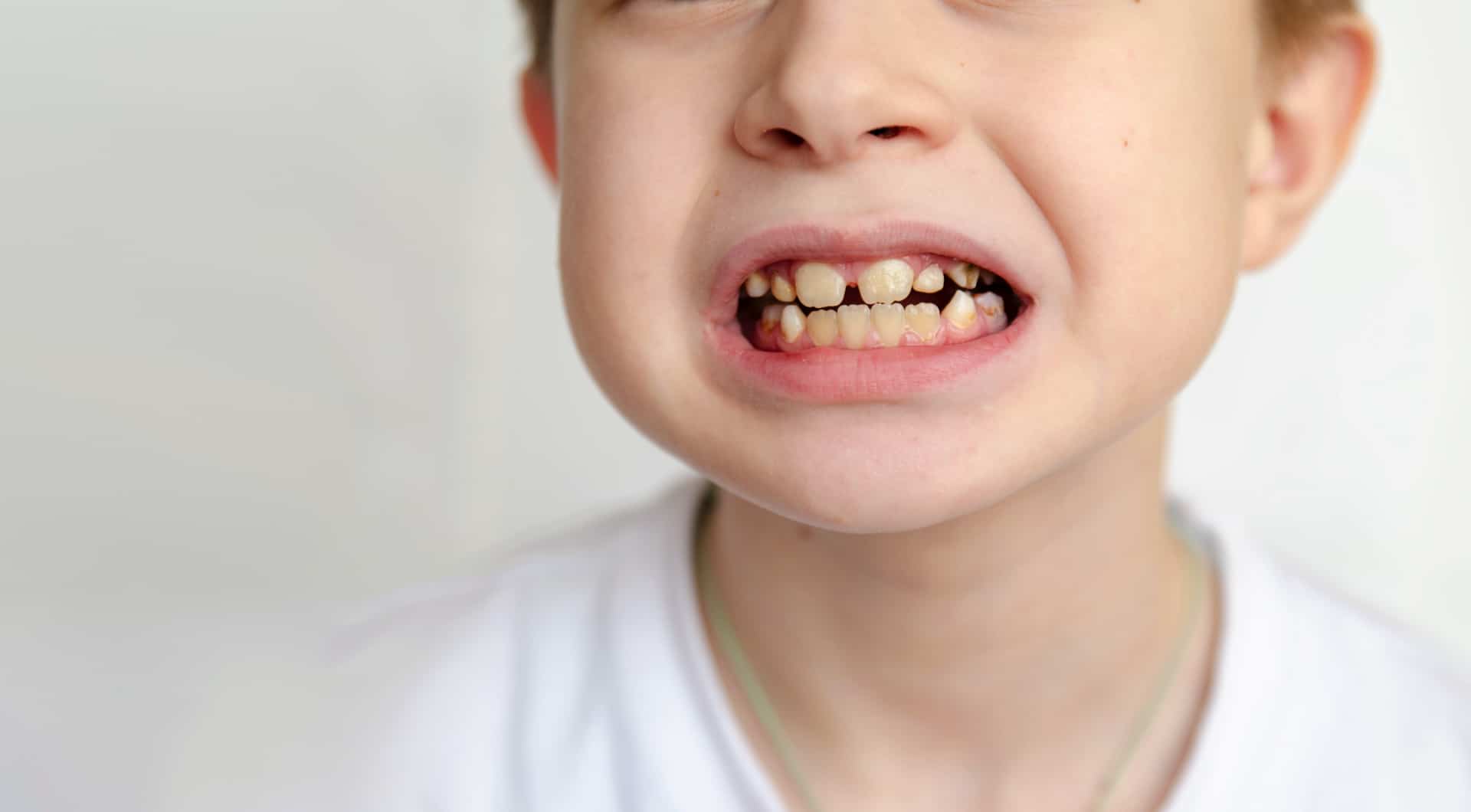
It is a form of early-onset tooth decay that occurs in babies and young children due to prolonged exposure of the teeth to sugar. It mainly affects the upper incisors, but can occur in any milk tooth.
Over time, it can lead to:
- white or yellow spots,
- brown patches,
- tenderness or pain,
- or even tooth loss.
Why do cavities develop?
The most common causes are:
Sleeping with a bottle
Especially if it contains milk, fruit juices or sweetened drinks.
Simple sugars stick to the teeth, feeding the bacteria in the mouth, which in turn produce acids that lower the pH; furthermore, there is less saliva at night, so the damage progresses more quickly.
Sleeping with a bottle in the mouth and having prolonged night-time feeds without proper hygiene increases the risk, particularly if sugary drinks are consumed before bedtime.
Poor oral hygiene
A baby’s first teeth also need daily care, because poor oral hygiene encourages the build-up of plaque and the development of tooth decay from the very first months; even before the first tooth erupts, it is advisable to take extra care of the infant’s mouth and clean their gums.
Prolonged use of a bottle or a sweetened dummy
A very common and very harmful habit.
Tooth decay in the family
Yes: cariogenic bacteria can also be transmitted.
Warning signs
The early signs may go unnoticed. Look out for:
- white spots near the gum line, an early sign of plaque build-up on the tooth surface which may turn yellow,
- areas of enamel that are more opaque,
- small brown or black spots, and in more advanced stages even complete darkening of the tooth,
- sensitivity to brushing or cold food,
- persistent bad breath.
If you notice any of these symptoms, you should see a paediatric dentist as soon as possible.
Is baby bottle tooth decay a serious condition?
Yes, because tooth decay is a disease that affects oral health and the development of primary teeth.
If left untreated, it can lead to:
- pain,
- infections,
- difficulty eating,
- speech problems,
- increased risk of tooth decay in permanent teeth.
Milk teeth are not just temporary: they preserve the space for the permanent teeth, and damage to them — including bottle tooth decay — can lead to problems with the permanent teeth.
How can you prevent the risk of tooth decay?
The good news is that prevention is very simple:
Never put your baby to sleep with a bottle
If you need it, have it with water.
Cleans the gums from birth
Using damp gauze or a thimble.
Start brushing your child’s milk teeth as soon as the first one appears
Use fluoride toothpaste containing 1000 ppm, in an amount appropriate for their age; use can begin between 6 and 12 months, when the first teeth usually erupt, and it should not be confused with formulations for adults. Brushing teeth after every meal helps to reduce the risk of tooth decay.
Avoid sugary juices and drinks
They are one of the main causes of the problem, so it is best to avoid sugary juices and drinks and to pay close attention to the baby’s daily diet. Furthermore, reviewing a child’s diet helps to reduce frequent exposure to sugars.
Carry out regular checks
The first visit to the dentist should take place between 6 and 12 months of age, during the first year of life, or when the first tooth appears, as a preventative measure in early childhood and to ensure oral care from the very start of life. If in doubt, parents can consult specialists in paediatric dentistry, a branch of dentistry focused on early detection and treatment.
Treatment of tooth decay in babies
Each case is assessed on an individual basis depending on the extent of the damage, including in cases of tooth decay in babies:
- fluoride remineralisation,
- sealers,
- fillings,
- pulpectomy or extraction only in advanced cases.
At Udemax Clinics, once a lesion has been detected, the aim of the treatment process is always to preserve the tooth and protect future dental health.
Conclusion
Baby-bottle tooth decay is a common problem in early childhood, but it is entirely preventable, and mainly affects children under the age of five.
A few simple habits and an early check-up can make all the difference between a healthy smile and more serious long-term problems. Following these preventative tips is key, especially given the prevalence of tooth decay in milk teeth: 36 per cent of children have tooth decay in their milk teeth.