A comprehensive guide to zirconia dental crowns in Mallorca
En este artículo
- Key summary
- What is a zirconia dental crown?
- When is it recommended to have a zirconia crown fitted?
- Advantages and disadvantages of zirconia crowns
- Zirconia crowns, metal-porcelain crowns and all-porcelain crowns: the differences
- The process of fitting a zirconia dental crown at Udemax Clinics
- Lifespan and care of zirconia crowns
- Zirconia dental crowns at Udemax Clinics (Palma de Mallorca)
- Frequently asked questions about zirconia dental crowns
Choosing the right material to restore a damaged tooth can make the difference between a smile that lasts for years and a treatment that needs to be repeated prematurely. In this article, we explain everything you need to know about zirconia dental crowns, from their composition and advantages to the fitting process, approximate prices and the care required to ensure their longevity – all based on the experience of our team at Udemax Clinics in Palma de Mallorca.
Key summary
A zirconia crown is a fixed cap that covers the tooth or dental implant, combining a very natural appearance with exceptional resistance to fracture and wear. Here are the key points you’ll find in this article:
- A zirconia dental crown is a cap that completely covers a weakened tooth or implant, providing a highly aesthetic and durable result.
- At Clínicas Udemax (Palma de Mallorca), we use state-of-the-art zirconia and digital CAD/CAM technology to ensure precision and quality in every restoration.
- It is the ideal choice for visible teeth in the anterior region, although it also works perfectly on molars thanks to its mechanical strength.
- With proper care, zirconia crowns can last between 10 and 15 years, and with the right aftercare, they can have a lifespan of 15 to 20 years.
- We offer a free initial consultation and a personalised assessment of your case so that you can explore all your options before making a decision.
What is a zirconia dental crown?
A dental crown is a fixed cap that is placed over the visible part of a weakened tooth or over a dental implant to restore its shape, function and appearance. When we talk about zirconia dental crowns, we are referring to restorations made from zirconium oxide, a white ceramic material that combines high mechanical strength with outstanding biocompatibility.
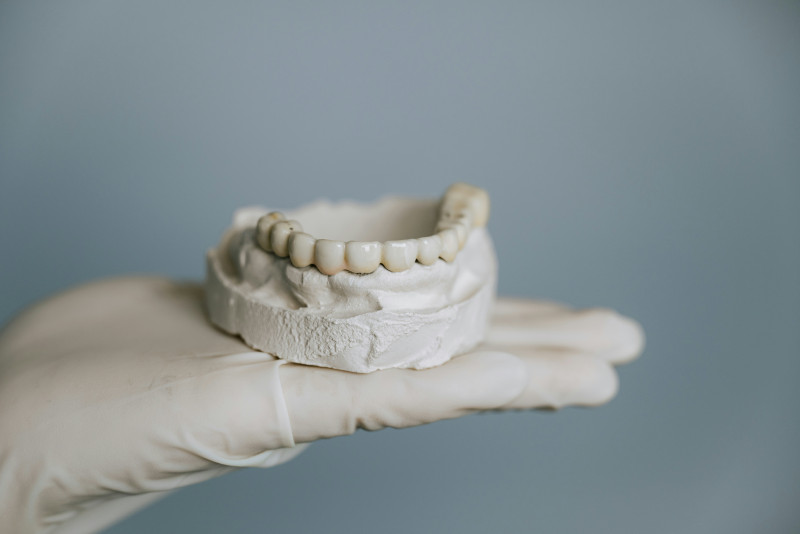
Zirconium is a material which, when stabilised with yttria, achieves flexural strengths of 800 to 1200 MPa in its 3Y-TZP variant – figures that far exceed those of conventional porcelain. Unlike metal-ceramic crowns – which combine a metal core (sometimes made of chromium-nickel) coated with ceramic – and all-ceramic crowns – which are more brittle under high loads – zirconia offers a remarkable balance between aesthetics and durability.
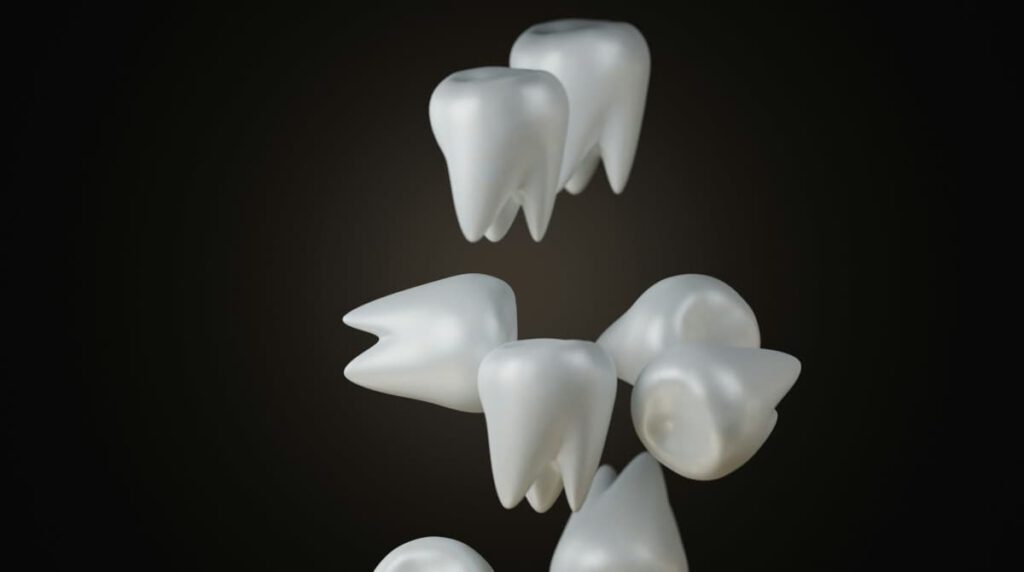
Zirconia crowns are used on both anterior teeth (incisors, canines) and molars, as zirconia is extremely resistant to fracture and wear. At our dental clinic in Palma, the use of zirconia dental crowns is a regular part of the restorative treatments we carry out on a daily basis.
When is it recommended to have a zirconia crown fitted?
The decision to fit a zirconia crown always depends on the dentist’s assessment, which takes into account the condition of the tooth, the area of the mouth and the patient’s expectations. Zirconia crowns are ideal for restoring severely damaged teeth and offer a reliable solution in a wide range of clinical situations.
Typical situations in which it is recommended:
- Teeth severely damaged by extensive decay or fractures that compromise their structure.
- Severe wear that makes it impossible to restore the tooth with a conventional filling.
- Older root canal treatments where the tooth has lost a large part of its structural substance and requires reinforcement.
- Significant changes in colour that do not respond to bleaching.
- Replacement of old covers where the metal is visible or which are cosmetically damaged.
Furthermore, a zirconia crown is an excellent option for replacing missing teeth on a dental implant: in this case, the crown is fixed onto an abutment or screw connected to the implant’s artificial root. For patients seeking the best possible aesthetic result in the front teeth, zirconia offers a shade and translucency that are virtually identical to those of natural teeth.
At Clínicas Udemax, we assess each case using digital X-rays and an intraoral scanner in Palma to determine whether zirconia is the best option or whether another type of material is more suitable, taking into account both functionality and aesthetics.
Advantages and disadvantages of zirconia crowns
No dental material is perfect, but zirconia offers a very favourable balance between aesthetics, strength and biocompatibility. Here are the benefits and limitations you should be aware of.
Advantages of zirconia crowns
- A very natural appearance: zirconia crowns are highly aesthetic and natural-looking, as zirconia allows light to pass through, enhancing translucency and mimicking the appearance of a natural tooth. They do not have any visible dark edges, nor do they leave any metallic edges on the gums.
- High strength: zirconium is a highly strong and durable material, which reduces the risk of fractures even in areas subject to high masticatory loads.
- Biocompatibility: Zirconia crowns are biocompatible and hypoallergenic, making them the preferred choice over chromium-nickel alloys or metal-porcelain crowns for patients with metal sensitivity.
- Less wear during preparation: zirconia results in less wear to the tooth during preparation, preserving more healthy tooth structure.
- Digital precision: they are manufactured using CAD/CAM technology, ensuring an excellent marginal fit.
Disadvantages
- Higher price: the cost of zirconia crowns is generally higher than that of metal-ceramic or conventional ceramic crowns, given the materials and technology used.
- The trade-off between translucency and strength: the more translucent variants (5Y-PSZ, 6Y-PSZ) sacrifice some mechanical strength, so the choice of zirconium type must be tailored to each individual case.
- Potential wear to the opposing tooth: zirconia can cause wear to opposing teeth if it is not polished properly, which requires meticulous surface finishing.
- Technical sensitivity: requires rigorous protocols for preparation, cementation and occlusal adjustment.
In the long term, zirconium is a worthwhile investment due to its superior durability, as we shall see later.
Zirconia crowns, metal-porcelain crowns and all-porcelain crowns: the differences
The material is chosen based on the area of the mouth, the patient’s aesthetic requirements and the available budget. The following table summarises the practical differences:
Feature | Zirconia crown | Porcelain-fused-to-metal crown | All-porcelain crown |
|---|---|---|---|
Aesthetics | Excellent, with no metal edges | Good, but it may cause a grey line to appear on the gums over time | Excellent in terms of colour and translucency |
Resistance | Very high (800–1200 MPa) | High performance thanks to the metal core | Moderate, risk of fracture in molars |
Biocompatibility | All in all, hypoallergenic | It depends on the alloy; allergies may occur | Good |
Main indication | Anterior and posterior sectors | Molars on a tight budget | Anterior sector with low load |
Price | Higher | Intermediate | Variable |
Zirconia crowns are more expensive than metal-porcelain crowns, but they eliminate the aesthetic issues associated with metal and offer superior results when seeking maximum aesthetic appeal without compromising on function. Metal-porcelain crowns are still useful in some cases involving molars; however, at Udemax Clinics we tend to prioritise metal-free solutions where clinical conditions allow.
Our team explains the options to the patient using photographs, models and visual comparisons, so that the decision is a joint one and the result meets their expectations right from the start.
The process of fitting a zirconia dental crown at Udemax Clinics
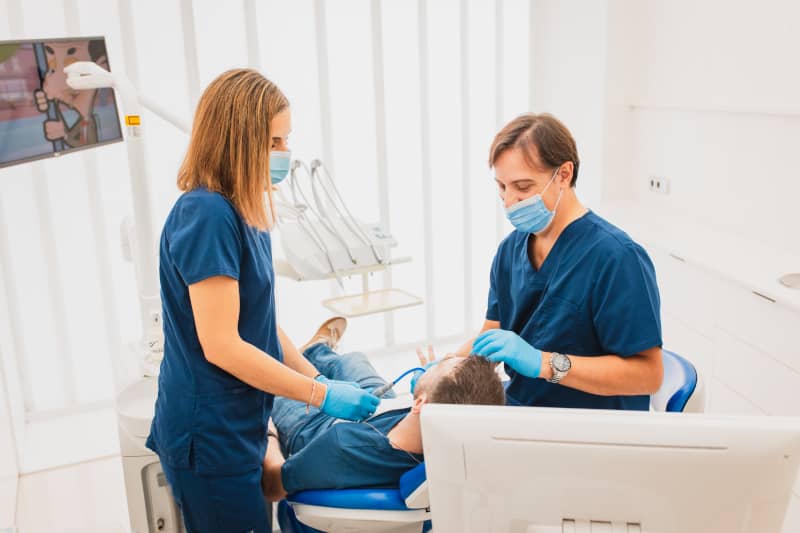
Fitting a crown usually requires two or three appointments and is a routine procedure at our clinic in Palma. Below, we describe each stage of the process.
1. Diagnosis and planning During the first appointment, a comprehensive examination is carried out, including digital X-rays, clinical photographs and, if necessary, an intraoral scan. The condition of the tooth, the root, the gums and the bite is assessed in order to plan the treatment with the utmost precision.
2. Tooth preparation Tooth preparation creates the space required to accommodate the crown. The tooth structure is reduced in a controlled manner, preserving as much healthy tissue as possible. In the case of an implant, the prosthetic abutment is designed to fit over the implant screw.
3. Digital impressions and CAD/CAM design. Impressions are taken using an intraoral scanner to fabricate custom-made crowns. The design is carried out using CAD/CAM technology, which guarantees a high-precision fit and allows the result to be visualised before manufacture. Zirconia crowns are manufactured using this technology in specialist prosthetic laboratories.
4. Temporary crown. The temporary crown is fitted whilst the permanent one is being made, allowing the patient to eat and speak normally whilst waiting.
5. Fitting and permanent cementation During the final appointment, the permanent crown is fitted to check the colour, shade, bite and marginal fit. Once any necessary adjustments have been made, the crown is permanently cemented in place.
A 3-year study of monolithic translucent zirconia prostheses (5Y-PSZ) reported a 100 per cent survival rate with no mechanical complications, confirming the reliability of this procedure when carried out in accordance with a rigorous digital protocol.
Does it hurt to have a zirconia crown fitted?
The crown is fitted under local anaesthetic, so it should not hurt at any point. During the preparation, it is normal to feel some pressure and hear the sound of the drill, but there should be no sharp pain.
After the procedure, you may experience some mild sensitivity lasting a few days, which can be easily managed with mild pain relief if necessary. At Udemax Clinics, we offer a personalised approach and explain each step before carrying it out to help reduce patients’ anxiety.
Lifespan and care of zirconia crowns
With proper care, a zirconia crown usually lasts between 10 and 15 years, and may last for more than 20 years under optimal conditions. An observational study with 15 years of follow-up on zirconia-based crowns confirms very high survival rates for tooth-supported restorations.
Zirconia crowns can last up to 10 years even without any special care, but with proper care, they can last 15 to 20 years. Their lifespan depends on several factors:
- Oral hygiene: it is advisable to maintain good oral hygiene to ensure the health of the underlying tooth. It is recommended that you brush your teeth at least twice a day and floss daily, as this is essential for their care.
- Bruxism: clenching or grinding your teeth shortens their lifespan if not managed with a mouthguard.
- Quality of materials and fit: stronger generations of zirconium and a precise marginal fit extend the lifespan.
- Regular check-ups: at least one visit a year to the dental surgery to check your gums, fit and wear and tear.
It is important to remember that the crown itself does not decay, but the tooth supporting it can develop tooth decay or gum problems if not looked after properly.

Tips for extending the lifespan of a zirconia crown
- Avoiding biting hard objects (ice, pens, bones) helps to prevent damage to the crown and natural teeth.
- Do not use your teeth as a tool to open containers or cut tape.
- If bruxism is present, a night-time bite splint must be worn without exception.
- Cut down on tobacco and strongly coloured drinks to protect the appearance of your neighbouring teeth and gums as well.
- Go to the clinic straight away if the crown is loose, causing discomfort or affecting the way you chew.
At Udemax Clinics, we check the condition of your crowns at every professional cleaning appointment and make any necessary adjustments to ensure they remain functional and look their best over time.
Zirconia dental crowns at Udemax Clinics (Palma de Mallorca)
Udemax Clinics has three centres in Palma de Mallorca and over 40 years of family-run experience in advanced dentistry. Our team, led by Drs Martínez-Almoyna, specialises in implantology, cosmetic dentistry, periodontics and oral surgery, amongst other disciplines.
We work with dental laboratories that specialise in zirconia and precision digital systems, enabling us to produce restorations with an exceptional fit. Each crown is computer-designed to fit perfectly, replicating the colour, shape and translucency of the original tooth.
What we offer:
- First free consultation including an examination, an X-ray if necessary, and a detailed explanation of the options (zirconia, metal-porcelain, ceramic).
- Extensive opening hours from 8.30 am to 8.00 pm.
- Out-of-hours emergency telephone number: 607 833 629.
- Fixed quote and financing options.
If you’re considering a zirconia crown in Mallorca, we invite you to book an appointment online or by telephone. Our team will assess your case and guide you through every step of the process to achieve the best possible result for your smile and your wellbeing.
Frequently asked questions about zirconia dental crowns
Can you tell the difference between a zirconia crown and a natural tooth?
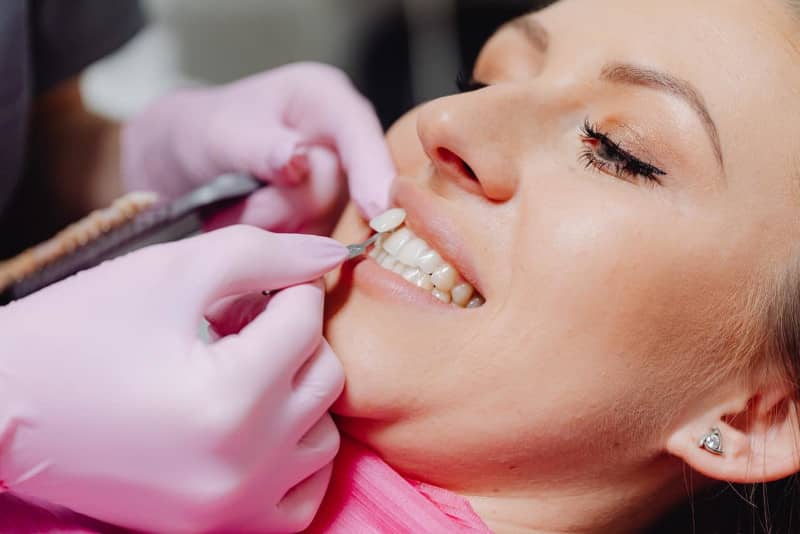
When well-designed, a zirconia crown can be virtually indistinguishable from a natural tooth in terms of colour, shape and lustre. Zirconia crowns offer a natural-looking appearance because the material allows light to pass through, replicating the characteristic translucency of tooth enamel. At Udemax Clinics, we customise the shade using the colour guide and photographs of the patient, taking particular care to ensure integration in highly visible areas so that the result blends harmoniously with the rest of the smile.
Can zirconia crowns become stained by coffee, wine or tobacco?
Zirconium is highly resistant to staining thanks to its low-porosity surface. However, the adjacent natural teeth or the gum line may become stained if oral hygiene is poor. We therefore recommend maintaining good oral hygiene routines – brushing, flossing and rinsing – and having regular professional cleanings at the dental practice.
Can I have a zirconia crown fitted if I clench my teeth a lot (bruxism)?
Zirconium is a very strong material and usually works well for patients with controlled bruxism. However, the dentist must assess the severity of the condition and, in most cases, recommend a night-time bite splint. At Udemax Clinics, we plan the bite carefully to distribute forces and protect both the teeth and the crowns, minimising problems caused by clenching.
How long does it take for a zirconia crown to be ready from the first appointment?
It usually takes between 1 and 3 weeks, depending on the laboratory and whether interim aesthetic tests are required. During this time, the patient wears a temporary crown, which allows them to carry on with their normal life without any significant restrictions. In straightforward and urgent cases, digital technology can shorten the turnaround time, subject to assessment by the clinical team.
What happens if a zirconia crown breaks or comes loose?
Fractures in zirconia crowns are rare thanks to the strength of the material, but if they do occur, you should visit the clinic as soon as possible. Repairing a fractured zirconia crown is complicated and, in many cases, requires a new crown to be made. However, if the crown has simply come loose and remains intact, it can often be cleaned and re-cemented. At Udemax Clinics, we always aim to preserve the original crown and only plan to have a new one made if this is not feasible due to its condition.