


Breastfeeding, teeth and tooth decay: a practical guide for mothers in Mallorca
[udemax_resumen] Breast milk alone does not cause cavities. It is the combination of nighttime feedings without proper oral hygiene, sugar in the diet, and bacterial plaque that increases a baby’s risk of cavities. Breastfeeding promotes the development of the jaw, palate, and bite, reducing the risk of malocclusions by up to 50% compared to prolonged bottle feeding. Oral hygiene should begin before teeth appear, by cleaning the gums with a damp gauze pad starting in the first days of life. Weaning is not recommended to treat or prevent cavities. The focus should be on hygiene, diet, and risk factors, while

Types of dental veneers: a comprehensive guide to choosing the best option for you in Mallorca
Choosing between the different types of dental veneers can be confusing: composite, porcelain, lithium disilicate, zirconia, with or without tooth preparation… Each material and technique affects the result, durability and price. In this guide, we explain the real differences between each option so that you can make an informed decision about your smile, with up-to-date information and the perspective of Clínicas Udemax in Mallorca. What are dental veneers and what are they used for? Dental veneers are very thin shells that are bonded to the visible surface of the teeth to improve their appearance. Dental veneers enhance the aesthetics of the teeth
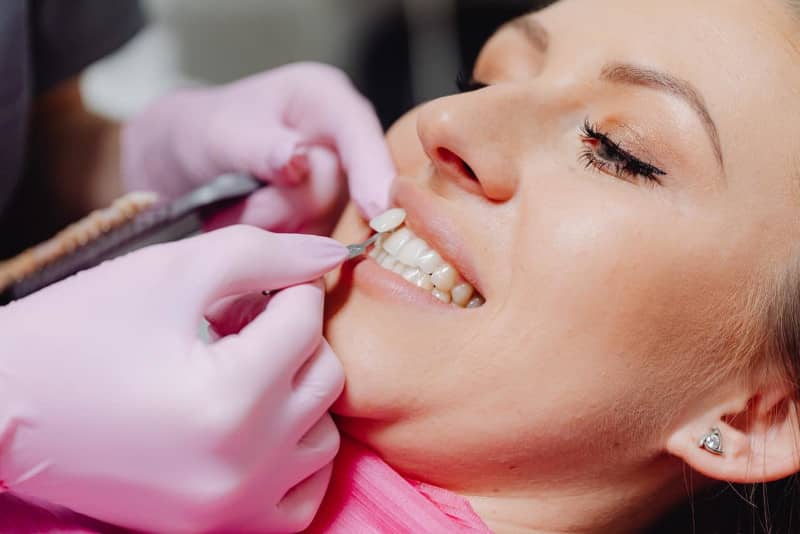
A comprehensive guide to caring for dental veneers
Dental veneers can transform your smile, but how long they last depends entirely on what you do every day. In this article, you’ll find all the tips, habits and care instructions you need to look after your dental veneers and keep them in perfect condition for years to come. Key points Porcelain veneers can last between 10 and 15 years; composite veneers last approximately 5 to 7 years with proper care. It is recommended that you brush your teeth after every meal using a soft-bristled toothbrush and floss at least once a day. Limiting your intake of coffee, red wine, tobacco and hard foods

Gum problems: symptoms, causes and treatments in Mallorca
Key conclusions Gum problems are common and can lead to serious illnesses if not detected in time. Most problems start with inflammation of the gums (gingivitis) and can develop into periodontal disease if left untreated. Warning signs: bleeding when brushing, swollen gums, persistent bad breath and receding gums. Early treatment prevents tooth loss and improves overall oral health. Regular check-ups every 6 months with a dentist or periodontist in Mallorca are recommended. An Introduction to Gum Problems Gum problems range from mild inflammation to advanced infections that affect the bone and can lead to tooth loss. Gum disease is one of the most common oral health
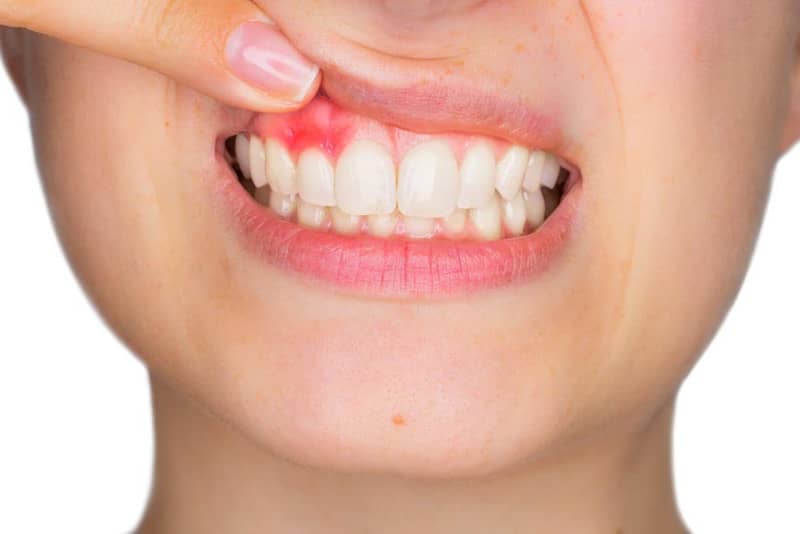
Inflamed gums: effective treatment and prevention in Mallorca
n reasons for seeking dental care, and in many cases it takes weeks or months for the person affected to seek professional help. This article brings together the information you need to understand the causes of the problem, take action today and find out about the treatment options available at Clínicas Udemax in Palma de Mallorca. Key conclusions Seeing a dentist or periodontist at an early stage can help reverse gum inflammation and prevent advanced periodontal disease. At Udemax Clinics, we offer a free initial consultation, a periodontal assessment and a personalised treatment plan. The basic steps are clear: improve oral hygiene, give up
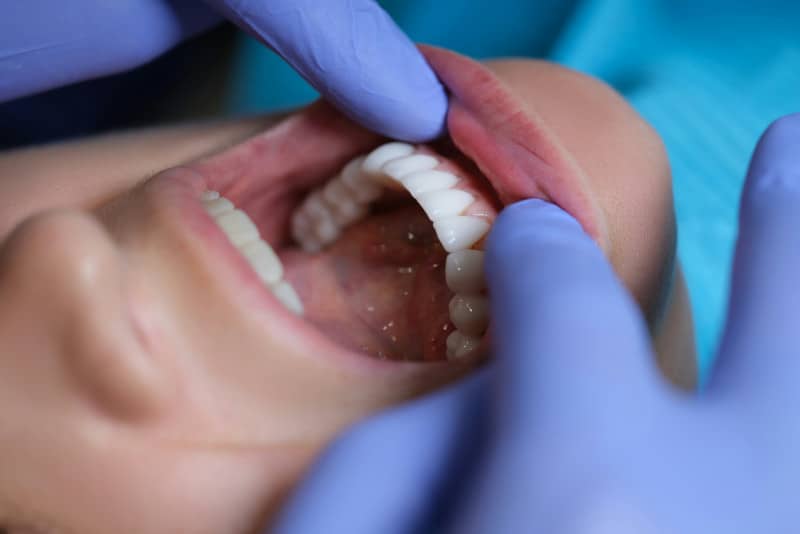
Fixed prostheses (crowns) on implants
Losing tooth structure – whether due to deep tooth decay, an unexpected fracture or the natural ageing process – affects both the functionality of the mouth and the appearance of our smile. A fixed dental crown is one of the most reliable solutions in modern dentistry: it restores the shape, strength and natural appearance of a damaged tooth or an implant replacing a missing tooth. In this article, we explain everything you need to know before having a dental crown fitted in Mallorca, from the materials available to the full procedure we follow at Udemax Clinics. Key conclusions A fixed dental crown
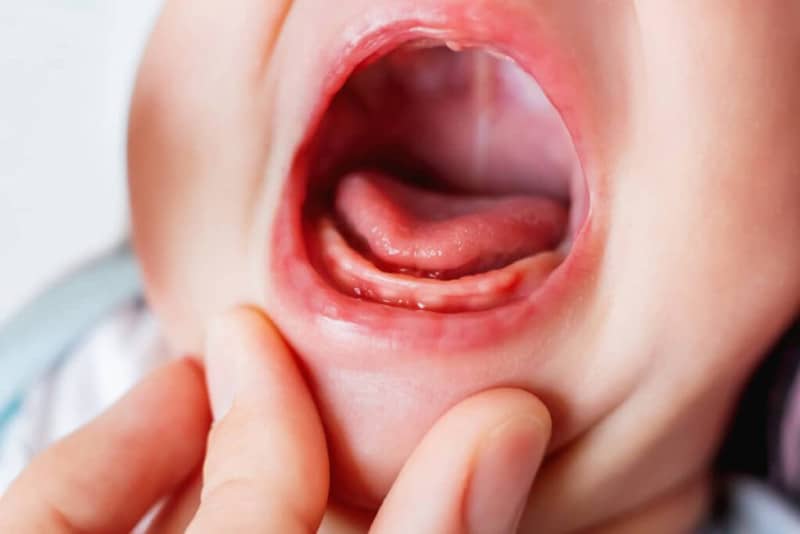
Sore gums in babies: causes, symptoms and how to relieve them
Swollen gums in babies are a cause for concern for many parents, especially when they first appear and it’s not entirely clear what to do. In most cases, gum inflammation is directly linked to teething, but it’s worth knowing all the causes, the warning signs and the safest ways to provide relief at home. Key conclusions Sore gums are common during teething. The first milk teeth appear between 6 and 12 months, and each time a tooth comes through, it can cause red, swollen gums. The most common signs include excessive drooling, irritability, sleep disturbances and a constant urge to bite objects. Three quick
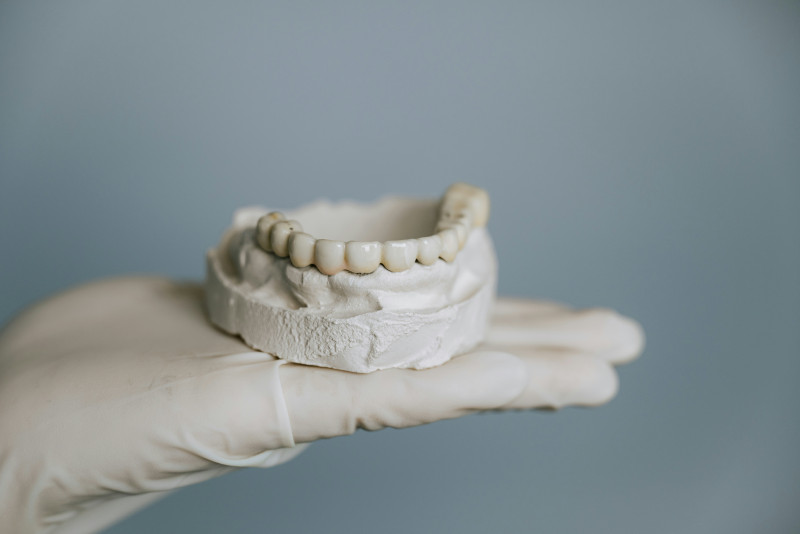
A comprehensive guide to zirconia dental crowns in Mallorca
Choosing the right material to restore a damaged tooth can make the difference between a smile that lasts for years and a treatment that needs to be repeated prematurely. In this article, we explain everything you need to know about zirconia dental crowns, from their composition and advantages to the fitting process, approximate prices and the care required to ensure their longevity – all based on the experience of our team at Udemax Clinics in Palma de Mallorca. Key summary A zirconia crown is a fixed cap that covers the tooth or dental implant, combining a very natural appearance with exceptional resistance
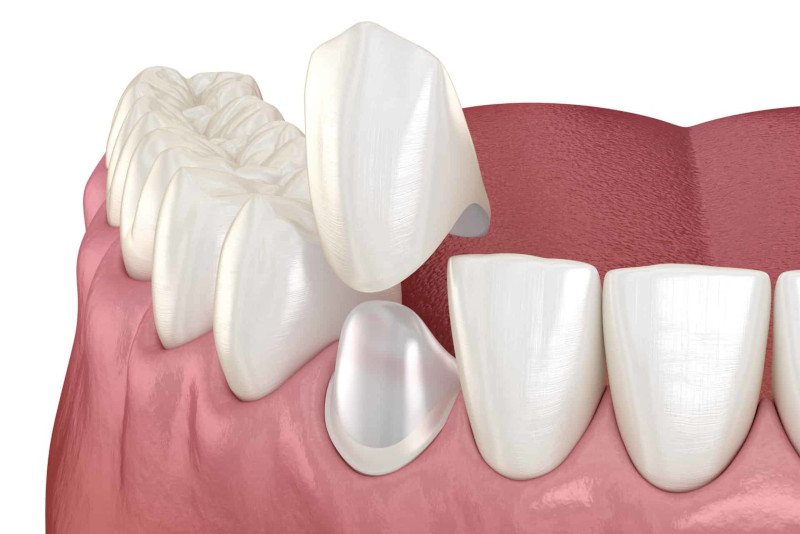
Types of dental crowns: a practical guide to choosing the best option in Mallorca
Choosing between the different types of dental crowns can be confusing if you don’t know the actual differences between materials, lifespan and price. In this article, we explain each available option, when each one is recommended and what the fitting process is like at our dental clinic in Mallorca, so that you can make an informed decision about your oral health. Key conclusions A dental crown (also known as a cap) is a fixed prosthesis that covers and protects a damaged tooth or an implant, restoring its shape, function and appearance. The main types of dental crowns are: metal crowns, metal-porcelain crowns, porcelain

Can you fly if you have tooth decay? A quick guide to avoiding toothache during a flight
Key points Yes, you can fly if you have tooth decay, but changes in cabin pressure during take-off and landing can cause severe toothache, especially if the decay is deep or there is inflammation. Tooth decay and faulty fillings are a common cause of barodontalgia (toothache caused by pressure): between 3 per cent and 6 per cent of people may experience this problem during a flight. Ideally, you should visit the dentist and have any tooth decay treated before your trip. At Udemax Clinics (Mallorca), you can book a quick assessment with a free initial consultation. If you can’t postpone your flight, there are