The consequences of losing a tooth: why you shouldn’t leave a gap
En este artículo
- Key conclusions
- Introduction: Why is a single tooth so important?
- Common causes of tooth loss
- Immediate consequences following the loss of a tooth
- Medium- and long-term consequences of tooth loss
- What happens if I don’t replace a missing tooth?
- Options for replacing a missing tooth
- Early treatment and prevention of tooth loss
- Why choose Udemax Clinics in Mallorca for treatment following the loss of a tooth?
- Frequently asked questions about losing a tooth
Losing a tooth – whether due to tooth decay, trauma or gum disease – sets off a series of changes that go far beyond aesthetics. What starts as a simple gap can end up affecting your bite, your bone, your digestion and your quality of life. In this article, we explain what really happens when a tooth is missing and what options you have to prevent more serious problems.
Key conclusions
- Losing a tooth (even if it is a back molar that cannot be seen) affects your bite, causes neighbouring teeth to shift and accelerates bone loss in the upper or lower jaw.
- If the missing tooth is replaced within the first 6–12 months, bone resorption is drastically reduced, as is the need for complex long-term treatment.
- The loss of even a single tooth can lead to gum problems, pain in the temporomandibular joint, digestive difficulties and a loss of self-esteem.
- At Clínicas Udemax in Mallorca, we can assess from day one whether a patient is a suitable candidate for dental implants, bridges or other solutions to replace a missing tooth.
- If you have recently lost a tooth – even if you are not in any pain – booking a check-up as soon as possible is the best way to prevent irreversible consequences.
Introduction: Why is a single tooth so important?
Each tooth has a specific function: the incisors cut, the canines tear, and the premolars and molars grind. Furthermore, the entire dental system supports the lips, cheeks and facial structure. When a tooth is missing, the balance of the whole mouth is disrupted.
Tooth loss is more common than it seems. In Spain, more than 56 per cent of adults aged between 35 and 44 have lost at least one permanent tooth, and the average number of missing teeth in this group is two. Among people aged 65 to 74, the figure rises to an average of 11 missing teeth. In Mallorca, the situation is similar: at Udemax Clinics, we see patients every day who come to us years after losing a tooth, by which time bone loss and the shifting of other teeth have already occurred. The aim of this article is to clearly explain the consequences of tooth loss and the main solutions available.
Common causes of tooth loss
Before discussing the consequences, it is worth understanding the most common causes of tooth loss:
- Advanced tooth decay. Poor oral hygiene leads to tooth decay and tooth loss. When the decay has irreversibly reached the root or root canal, extraction is unavoidable. The build-up of bacterial plaque can lead to tooth loss if it is not controlled through regular check-ups.
- Periodontal disease. Periodontal diseases can lead to tooth loss by destroying the bone and ligaments that support the teeth. It is estimated that around 40 per cent of adults in Spain have some form of gum disease, and are often unaware of it.
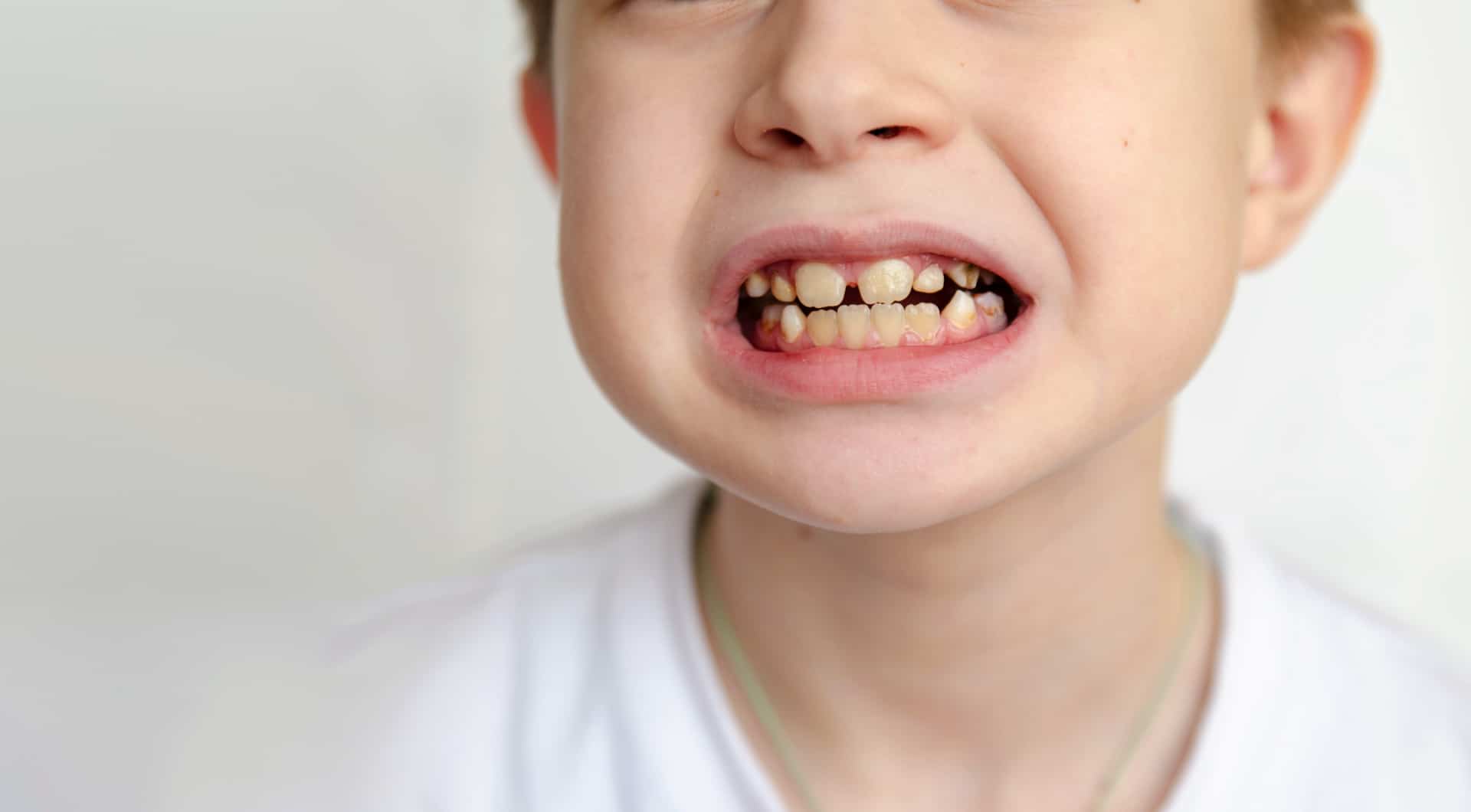
- Trauma. Falls, sports accidents (football, cycling, water sports – which are very popular in Mallorca) or blows to the face can lead to the loss of incisors and canines. Trauma is a common cause of tooth loss in children and young adults.
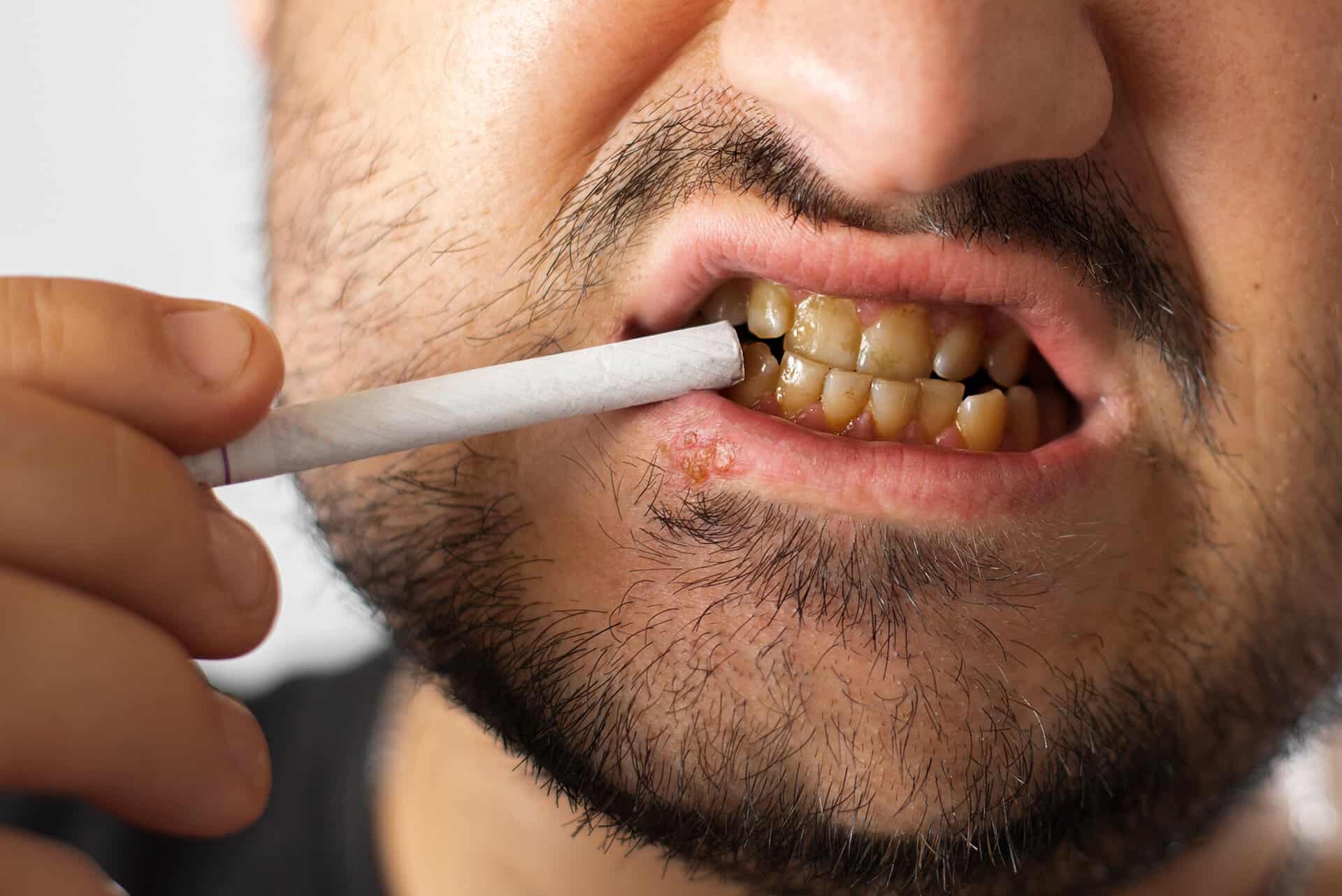
- Other risk factors. Smoking and alcohol increase the risk of edentulism. Bruxism (teeth grinding), poor diet and agenesis (teeth that never erupt) also play a part.
An early assessment by a dentist often makes it possible to save the tooth using conservative treatments and avoid extraction.
Immediate consequences following the loss of a tooth
In the first few weeks after losing a tooth, the changes are already evident:
- Unbalanced chewing. The loss of a tooth can cause chewing problems: the patient begins to use only the opposite side, overloading those teeth and causing premature wear. Missing teeth can lead to wear on the remaining teeth due to this overload.
- Aesthetic and social impact. If the missing tooth is an incisor or canine, the gap can cause discomfort when smiling. Missing teeth can lead to people avoiding social situations, photographs and gatherings. Missing teeth can cause aesthetic and self-esteem issues from day one.
- Increased risk of tooth decay and gum problems. Food debris easily accumulates in the gap, increasing the risk of tooth decay and periodontal disease in the neighbouring teeth. Missing teeth increase the risk of tooth decay and periodontal disease.
- Window of opportunity. The first 24–72 hours following an injury or extraction are the best time to contact the clinic to discuss options for rapid replacement or a temporary solution.
Medium- and long-term consequences of tooth loss
When months or years go by without a lost tooth being replaced, problems multiply like a domino effect:
- The adjacent teeth move to close the gap, tilting or rotating in the process. This tooth movement can lead to malocclusions and muscular imbalances, crowding and difficulties with oral hygiene.
- The opposing tooth (in the opposite arch) tends to extrude into the gap, altering the occlusal contacts. The loss of a tooth can lead to pain in the temporomandibular joint, and missing teeth can cause strain on the temporomandibular joints.
- This progressive misalignment may ultimately require orthodontic treatment and complex restorative work, which could have been avoided by replacing the tooth in good time.
Bone loss in the maxilla and facial changes
Without the stimulation provided by the tooth root during chewing, the bone in the upper or lower jaw begins to recede. The absence of teeth can lead to bone loss in the jaw. According to clinical studies, up to 25 per cent of the width of the alveolar ridge is lost in the first 3–6 months, and up to 50 per cent within 12 months if no action is taken.
When there is significant bone loss, the cheek and lip may sink slightly: tooth loss can result in an aged appearance, particularly if several teeth are missing. This resorption complicates the subsequent placement of implants, as it may require bone regeneration techniques or grafts. At Udemax Clinics, cases are planned using 3D CT scans to assess the available bone and avoid any surprises.
Problems with chewing, digestion and nutrition
A lack of teeth makes it difficult to chew certain foods such as stringy meats, nuts, crusty bread or crunchy vegetables. Poor chewing can cause digestive problems: food reaches the stomach in pieces that are too large, leading to sluggish digestion, acid reflux and wind. Inadequate chewing can lead to indigestion and poor nutrient absorption, and missing teeth can lead to digestive problems due to chronic poor chewing.
Many people stop eating certain types of healthy food and switch to a diet consisting of softer, more processed foods. Longitudinal studies confirm that tooth loss is associated with a lower intake of fibre, vitamins and protein, which affects general well-being, particularly from the age of 50–60.
Speech problems, self-esteem and social impact
Missing teeth can make it difficult to pronounce certain sounds such as ‘f’, ‘v’, ‘s’ or ‘z’, leading to a lisp or air leakage. The psychological impact of tooth loss can include anxiety and depression, and tooth loss can lead to self-esteem issues that limit one’s personal and professional life.
In Mallorca, where many people work in customer-facing roles in tourism, the hospitality industry and retail, this issue carries real weight. In the experience of Udemax Clinics, many patients report a marked improvement in their self-esteem and social life following the replacement of a missing tooth. The emotional impact is part of the rehabilitation process, and the team takes this into account when devising each treatment plan.
What happens if I don’t replace a missing tooth?
The loss of a tooth triggers a domino effect: tooth movement, bone loss, bite problems, gum problems and, over time, further tooth loss. The longer you wait, the more complex and expensive the treatment tends to be, as it often involves a combination of implants, orthodontics, dentures and, in some cases, bone surgery.
It is advisable to replace a lost tooth to avoid complications. Even if it does not hurt at first, it is not advisable to leave a gap, assuming that ‘nothing will happen’. At Udemax Clinics, we recommend considering your options within a year of the extraction or injury, to minimise bone loss.
Options for replacing a missing tooth
The choice of treatment depends on the condition of the bone, the number of missing teeth, the patient’s age and their aesthetic and functional expectations. The dentist or implantologist will carry out a personalised assessment before recommending the best option. The ultimate aim is to restore chewing function, the aesthetics of the smile and long-term bone stability.
Dental implants: the most stable solution
A dental implant is a titanium or zirconium screw that acts as an artificial root and integrates into the bone of the upper or lower jaw. A crown is placed on top of the implant, which mimics the shape, colour and size of a natural tooth. Dental implants are the most popular option for replacing teeth, and their success rate exceeds 95 per cent with good oral hygiene and regular check-ups. Dental implants can last a lifetime with proper care.
Dental implants prevent bone loss in the jaw, as they restore stimulation to the bone during chewing. At Udemax Clinics, we offer advanced implantology techniques, including immediate-load implants in selected cases, which allow patients to leave with a fixed temporary restoration on the same day.
Fixed dental bridges supported by adjacent teeth
A dental bridge is a fixed structure that is supported by the adjacent teeth, holding one or more artificial teeth in place. Dental bridges require the teeth adjacent to the missing tooth to be filed down in order to fit the supporting crowns.
It is a useful solution when an implant cannot be fitted and there are healthy neighbouring teeth. It offers a relatively quick replacement and a satisfactory aesthetic result, but it does not completely prevent bone loss beneath the gap left by the missing tooth. At Udemax, we use state-of-the-art materials such as ceramic and zirconium to achieve a very natural appearance.
Removable partial or full dentures
Dentures can be partial or full, depending on the patient’s needs. They are a more cost-effective option, particularly when many teeth have been lost and the patient is not yet able to undergo implant treatment.
Their main limitations are: reduced comfort, possible movement when speaking or eating, and the risk of accelerating bone loss if the load is not distributed evenly. They can serve as a temporary solution whilst a permanent treatment is being planned, and require regular adjustments at the clinic to prevent irritation of the gums.
Early treatment and prevention of tooth loss
Taking early action reduces the need for complex treatments in the future. The keys to prevention:
- Daily oral hygiene: a soft-bristled toothbrush, dental floss or interdental brushes, and fluoride toothpaste.
- Check-ups every 6–12 months with the dentist, including professional cleanings to control plaque and periodontal disease.
- Avoid smoking, the main modifiable risk factor for gum and bone health.
- In the event of a dental injury: seek emergency treatment within 1–2 hours, keeping the tooth in saline solution or milk if it has been completely knocked out.
If you notice loose teeth, bleeding gums or pain when chewing, don’t wait. Visit Clínicas Udemax for a comprehensive assessment of your oral health before any irreversible consequences set in.
Why choose Udemax Clinics in Mallorca for treatment following the loss of a tooth?
Udemax Clinics offers a comprehensive approach to dentistry: digital diagnostics, implantology, prosthetics, periodontics and cosmetic dentistry, all under one roof in Mallorca. The team includes specialists in dental implants and bone regeneration, capable of treating even complex cases involving significant bone loss. With technology such as 3D CT scans and computer-guided planning, the results are precise and predictable.
Book your first assessment appointment to discuss your tooth loss and receive a personalised treatment plan tailored to your situation and budget. Don’t wait any longer: every month without treatment means more bone is lost.
Frequently asked questions about losing a tooth
How long can I wait before replacing a missing tooth without significant bone loss?
Bone loss begins within the first few months following extraction, and the most significant changes occur during the first year. Ideally, replacement should be planned within 6–12 months to make the most of the existing bone volume. Even several years later, there are usually options available through regenerative techniques, but the duration and cost of treatment increase.
If I’ve lost a back tooth that isn’t visible, is it really necessary to have it replaced?
Yes. Molars are essential for grinding food and maintaining a balanced bite. Their absence puts excessive strain on the remaining teeth and can lead to misalignment, excessive wear, joint pain and new problems with other teeth. Just because you can’t see it doesn’t mean nothing is happening.
Does a dental implant hurt a lot? What is the recovery like?
The surgery is carried out under local anaesthetic, so the patient feels no pain during the procedure. In the days following the procedure, there may be some discomfort similar to that experienced after a tooth extraction, which can be managed with anti-inflammatory medication prescribed by the dentist. Most patients resume their normal activities within 24–48 hours.
What options do I have if I don’t have enough bone for implants?
There are techniques for bone regeneration, bone grafts and maxillary sinus lifts that can restore bone volume in many cases. If these techniques are not feasible, fixed bridges or removable dentures may be considered. It is essential to assess the case using a 3D CT scan to determine the quantity and quality of the available bone.
Can a bridge or a denture slow down bone loss just as effectively as an implant?
Bridges and dentures restore function and appearance, but they do not replace the root in the bone, so they do not provide the same stimulation to the jawbone as an implant. With these solutions, bone loss beneath the space left by the missing tooth may continue, although at a slower rate if the chewing load is well distributed. Where possible, an implant remains the best solution for maintaining bone volume in the long term.